

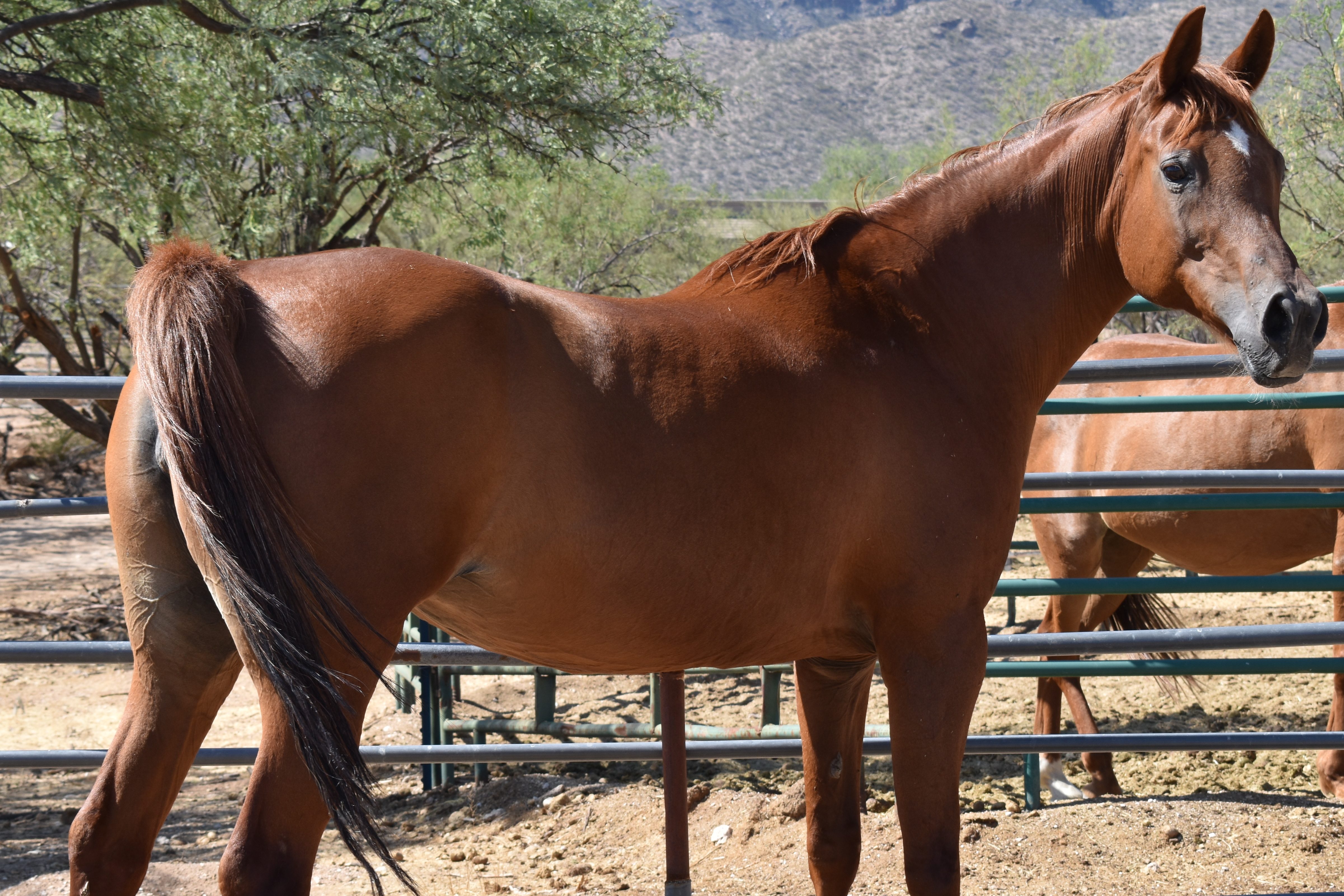
Straight Egyptian Arabians are Arabian horses that can trace all of their ancestors to the breeding programs of Egypt, including the studs of Abbas Pasha, Sheikh Obeyd, Inshass Stud, Royal Agricultural Stud, and the Egyptian Agricultural Organization. Today, the EAO is known as El Zahraa.
Asil Arabians are purebred Arabian horses that emphasize authentic lineage, preserving the traditional traits and characteristics of the breed. The Asil Club, an international organization dedicated to these exceptional horses, promotes their preservation and brings enthusiasts together. Through various events, education, and resources, the club aims to maintain the integrity of Asil Arabians while fostering a community that cherishes their heritage and contributions to equestrian culture.
Arabian horses were traditionally bred by Bedouins who lived a nomadic lifestyle. There were no studs with organized breeding programs until later on when Pashas or Sheikhs founded them.
In the late 1800’s and early 1900’s, Westerners began visiting Arabia and exporting Arabian horses to develop breeding programs. Other horses were exported to Western countries as political gifts from the Middle East as well. Many of these breeding programs adhered to the Bedouin traditions of how certain horses should be bred. Others were bred with the idea of betterment of calvaries in mind. And some were bred simply for the wonderment they bestowed to their humans.
Certain waves of importation or the names of horse breeders are classified by Al Khamsa as “Ancestral Elements” such as Egypt I and II, Inshass, Blunt, and so on. These Ancestral Elements compose these horse’s pedigrees, providing insight into the history of these special horses. Click here to learn about the complete list of Ancestral Elements, some of which are proudly being preserved at Desert Heritage Arabians.
Al Khamsa Arabians are also considered Asil, and the terms can be interchangeable to a certain degree.
Other terms to describe Egyptian horses (Old Egyptian or Babson Egyptian and New Egyptian or Post-58) refer to when horses from Egypt arrived to the US. Old Egyptian Arabians were imported in the early 1900’s by Henry Babson, while New Egyptians arrived after 1958, a lot of which were imported in the 1960’s.
One major breeding program was Gleannloch Farms. The owners Doug and Margaret Marshall imported many horses from Egypt and developed one of the finest breeding programs of New Egyptian Arabians. Their horses were incredibly successful in the show ring, winning 2,078 championship titles from 1964 – 1981. The horses of DHA traces heavily to Gleannloch bloodlines, of which we are very proud.
DHA also hosts Ansata bloodlines, the breeding program of Judith Forbis, of which legends were produced.
Check this PDF out for some more history, details, and lingo:
 Desert Heritage Arabians