


In the pairing of these two individuals, I hoped for a foal with a striking dish as the “icing on the cake” to a sturdy frame. Domino sires foals of notable beauty with flowing movement, and Halimah packs a punch in terms of solid structure and substance. Both individuals have nice curves, with Domino being more compact and tightly coupled.
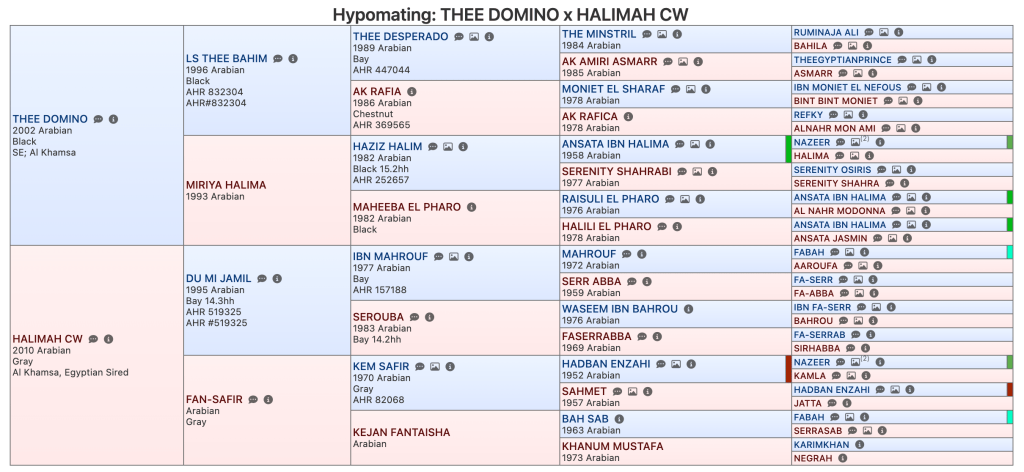
The Sire Side
The elegance of Domino comes from a combination and variety of mostly New Egyptian Sources, many having highly recognizable names.
Some of my favorite sires in his pedigree are Haziz Halim, Raisuli El Pharo, Moniet El Sharaf, Khofo, and Refky. Of course, he has some legends in his pedigree including The Minstril, Thee Desperado, Ansata Ibn Halima, and Ansata Ibn Sudan, but I prefer to focus on the less prevalent sires in his pedigree for this blog post.

Haziz Halim and Raisuli El Pharo are impressive Ansata Ibn Halima sons, with Haziz Halim unexpectedly being born black and performing well in Western Pleasure classes. He is also known for passing on a gentle disposition to his foals, a trait that Domino sires as well.

Moniet El Sharaf, bred by Bentwood Farms, is perhaps one of the most syndicated Egyptian stallions at $10,000,000 in 1986 and sired show ring champions. Moniet El Sharaf’s pedigree was a blend of Bentwood breeding as well as Pritzlaff, known for their proclivity for endurance racing.


Khofo comines into play in Domino’s pedigree through his Serenity Farms breeding; imported by Gleannloch Farms and purchased by Hansi Heck-Melnyk, he was the foundation sire of that breeding program and sired champions in Canadian halter and performance classes. He earned his Legion of Merit with the Arabian Horse Association. He won championships in halter, Western Pleasure, English Pleasure, Native Costume, and most classic.


Lastly, Refky was a Top Ten US Winner in the US, but also has a racing record in Egypt, the stats of which, I don’t know unfortunately.


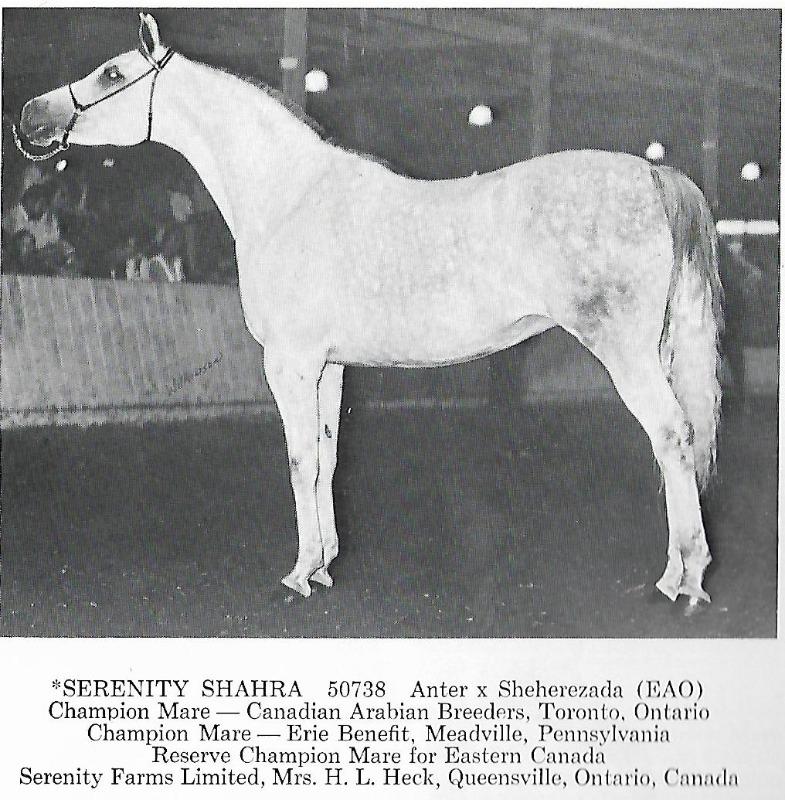
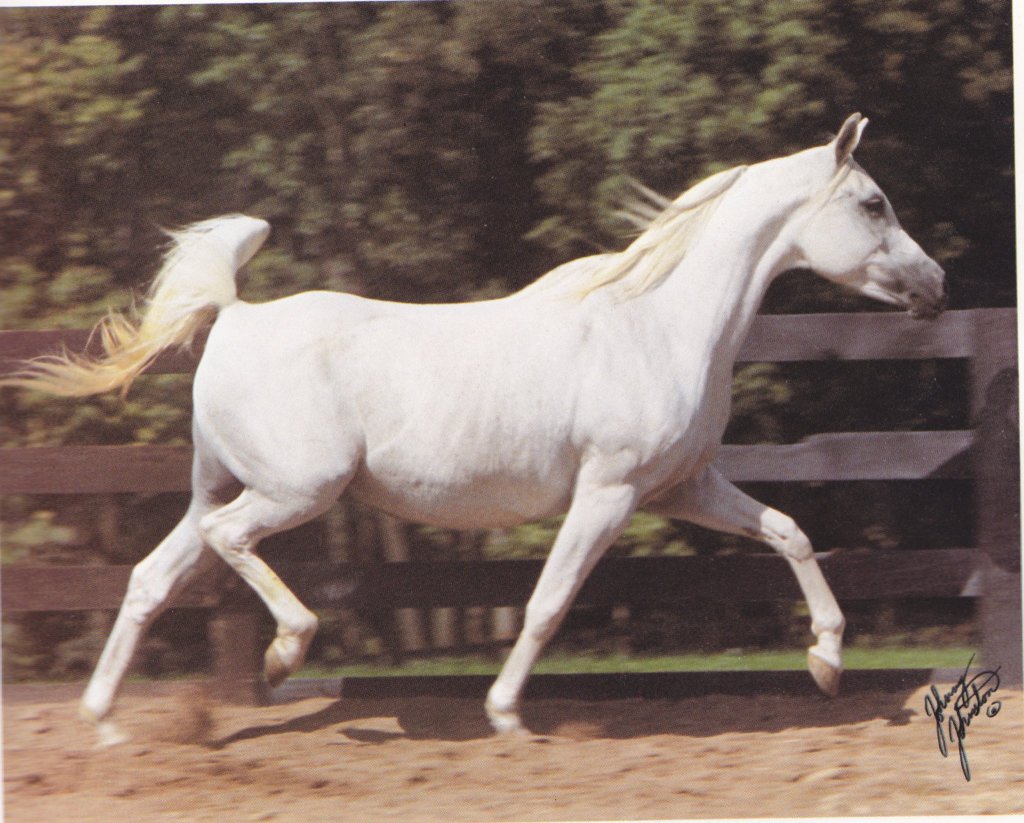
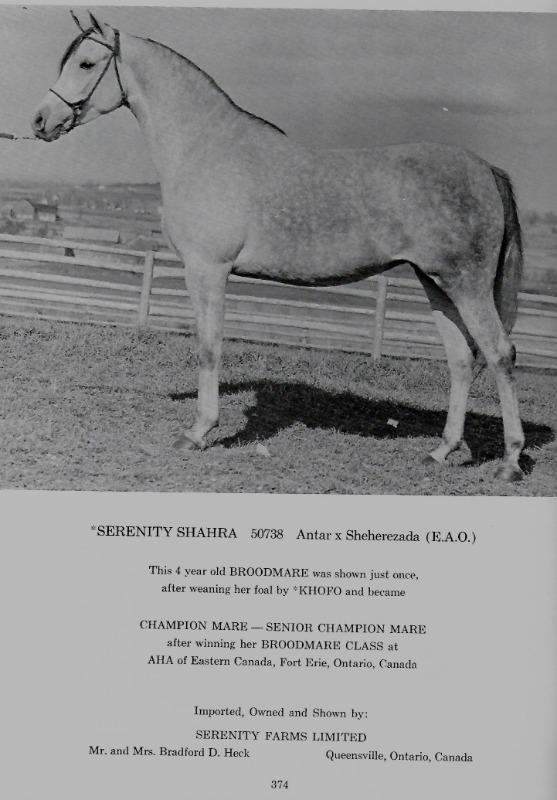
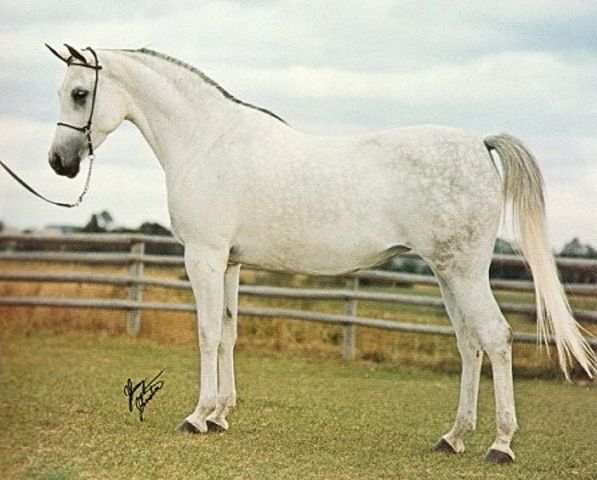
The dam lines in Domino’s pedigree include heavy influence from Halima and Moniet El Nefous through his various crosses to Ansata Ibn Halima, Ansata Ibn Sudan, The Egyptian Prince, Morafic as well as Ibn Moniet El Nefous. While the closer elements of his breeding come from the close relationships of the sires, his pedigree breathes in some genetic diversity through his dam lines. Some of other maternal influences come from Babson, Pritzlaff, Serenity mares, and the German bred mare such Bahila. Some of these mares have earned their respective places in history through their progeny and any do not have show records themselves recorded in with AHA Datasource, as many broodmares aren’t shown but are prized as producers. However, two mares stand out in Domino’s pedigree with their show records: AK Amiri Asmarr, besides siring the legendary Thee Desperado, won 2nd and 3rd place in Arabian Mare Breeding classes out of 9. Serenity Shahra also competed and won championship titles.

Dam of the legendary Ansata Ibn Halima

She was prized for her “extreme” type back in her day. I can see her influence in Domino and Masriyah DHA’s refined dishy heads, although MEN isn’t the only source of this in Egyptian breeding as horses without as many crosses to MEN can display beautiful dish and refinement.

A foundation mare for Richard Pritzlaff’s famous breeding program at Rancho San Ignacio
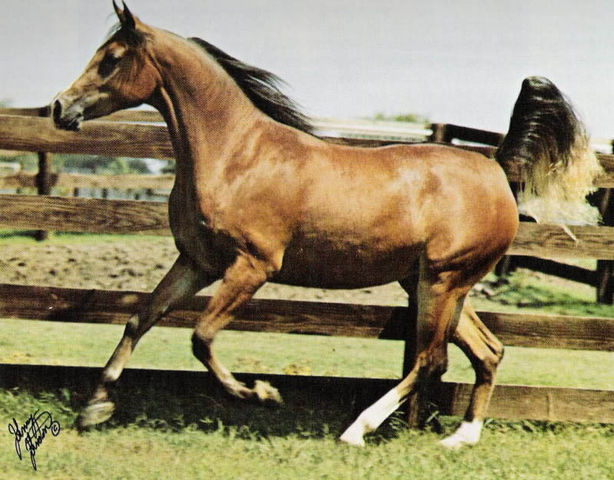
Prized for her broodmare achievements, producing successful halter and perfomance get including Moniet El Sharaf, a US National Top Ten Halter Stallion (1971) and a highly respected performance champion and Sire of Significance

Dam of prolific Thee Desperado
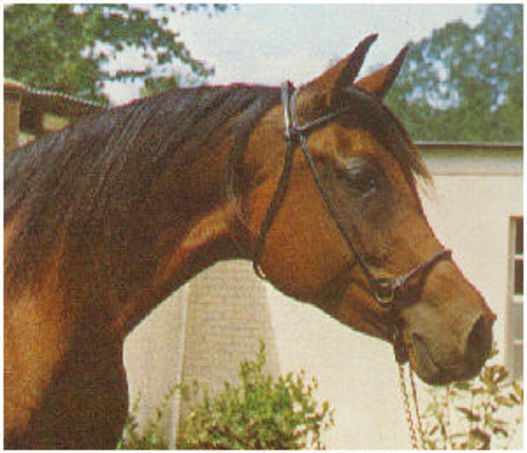


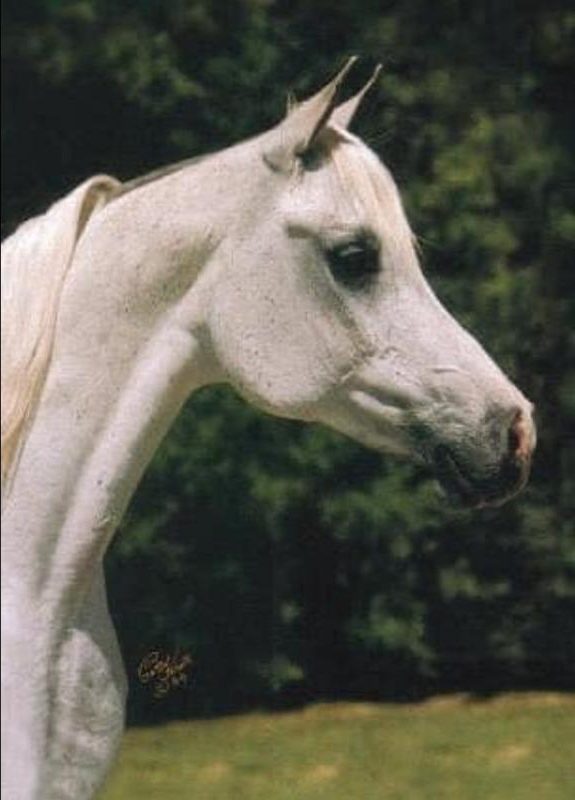
Dam of:
–Ruminja Ali (x Shaikh Al Badi) – 1979 U.S. National Champion Futurity Stallion, 1980 U.S. National Top Ten Stallion, 1980 Canadian National Top 10 Stallion, 1983 U.S. National Reserve Champion Stallion
–Alidaar (x Shaikh Al Badi) – U.S. and Canadian Top Ten Futurity Stallion
–Thee Infidel (x Thee Desperado+) – 2000 U.S. National Top Ten Stallion, U.S. National Top Ten Futurity Stallion



The Dam Side
Halimah CW’s pedigree provides many outcross elements to Domino’s. She is more than 50% Old Egyptian breeding (Egyptian Arabians descended from the Henry Babson imported stock in 1932). Her dam side features a diverse group of individuals hailing from Babson breeding, Sirecho, Turfa, Saudi Arabian breeding, and more popular German Egyptian breeding combined with very rare German breeding. Halimah hails from the breeding program of the late Marilyn McHallam who went through quite the effort to preserve this rare German breeding in Halimah’s pedigree. Halimah was an orphan filly who has gone on to be a solid broodmare here despite her lack of personal experience.
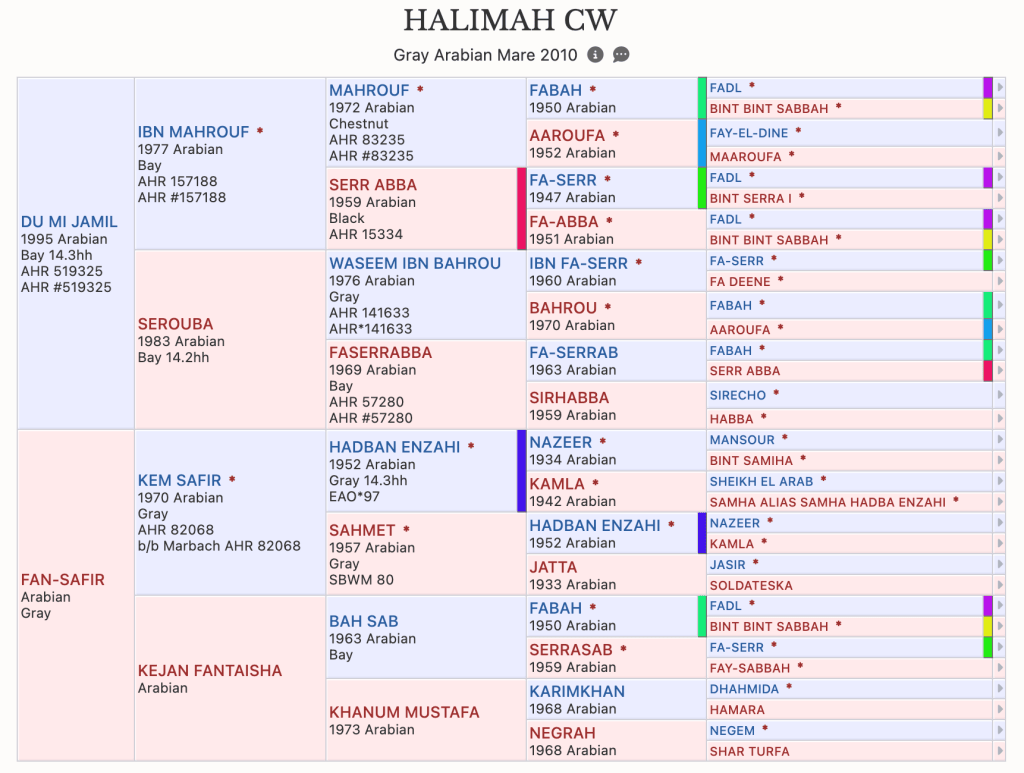
Looking up and learning about her sire’s Babson breeding was enthralling and informative, as my program focuses mostly on New Egyptian bloodlines. Babson breeding is as much iconic as it is historic. These horses have a rich representation in Egyptian Arabian breeding as well as American breeding through horses such as Fadjur and many others. Their impact on Arabian breeding can be seen around the world.
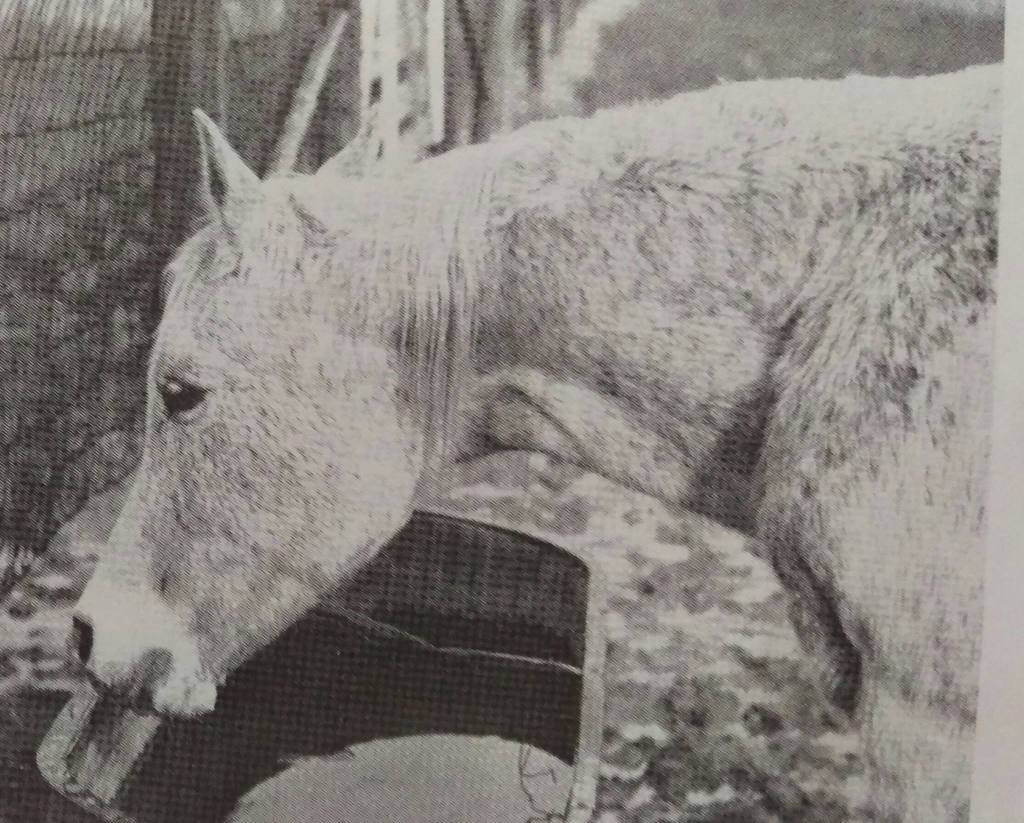
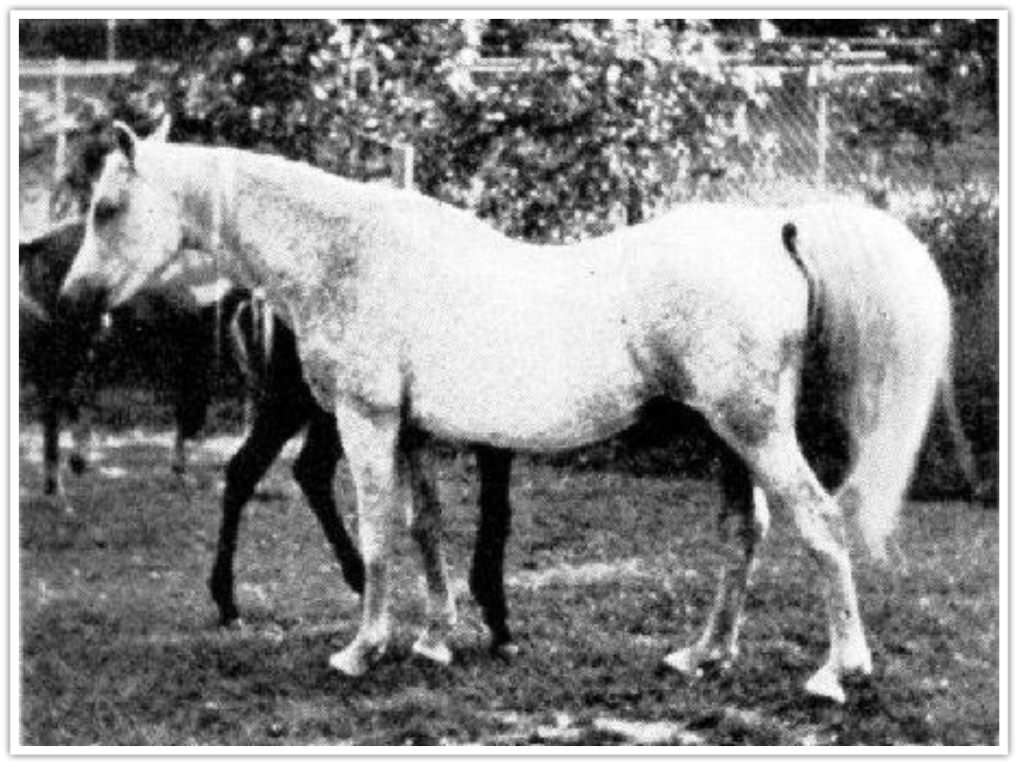
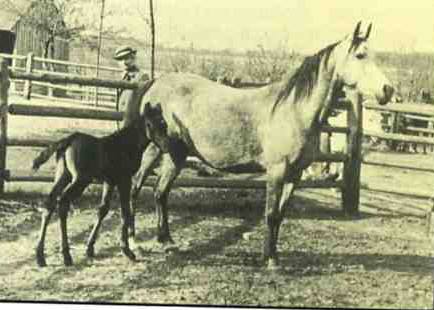
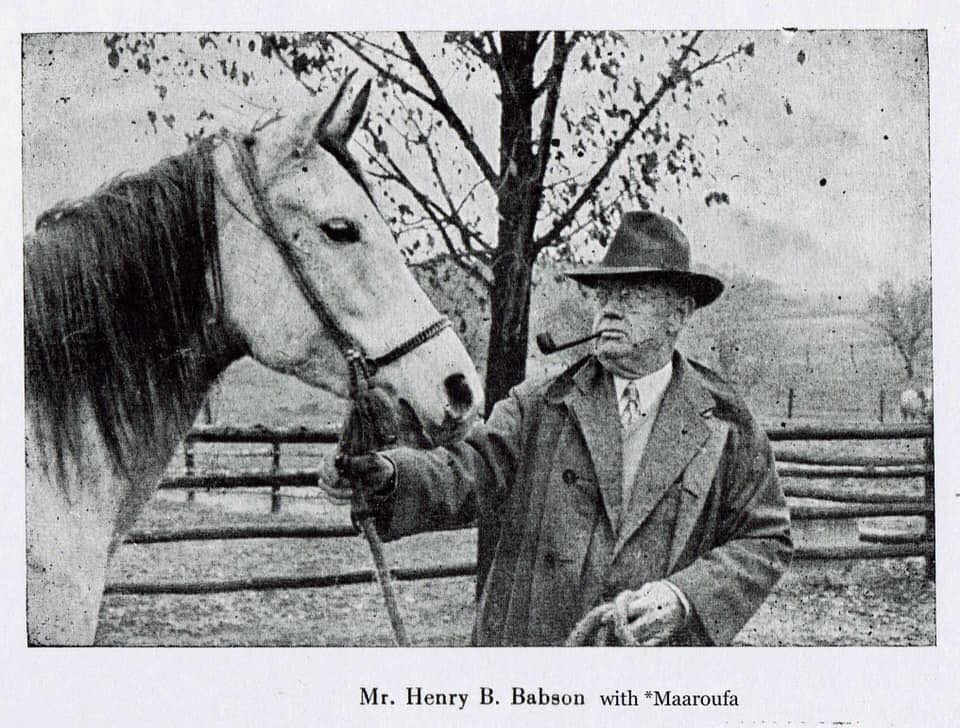
The Babson imports included 5 mares (*Bint Bint Sabbah, *Bint Serra I, *Bint Saada, *Maaroufa, and Bint Bint Durra), the stallion *Fadl, and one colt of which unfortunately died before reaching maturity, in 1932.
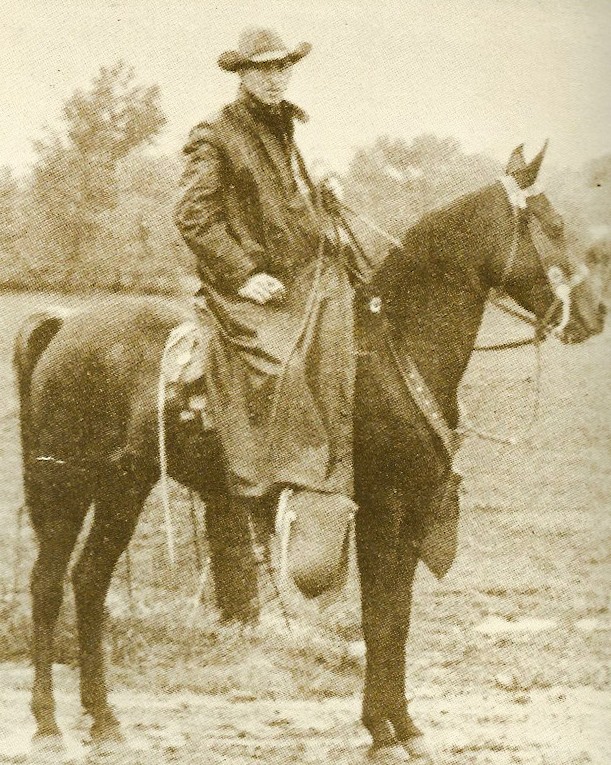
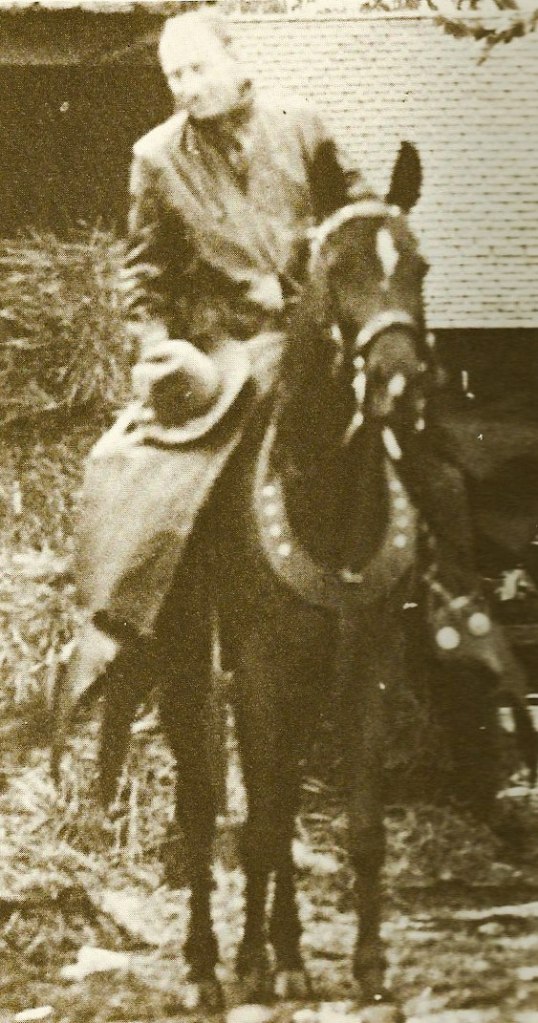
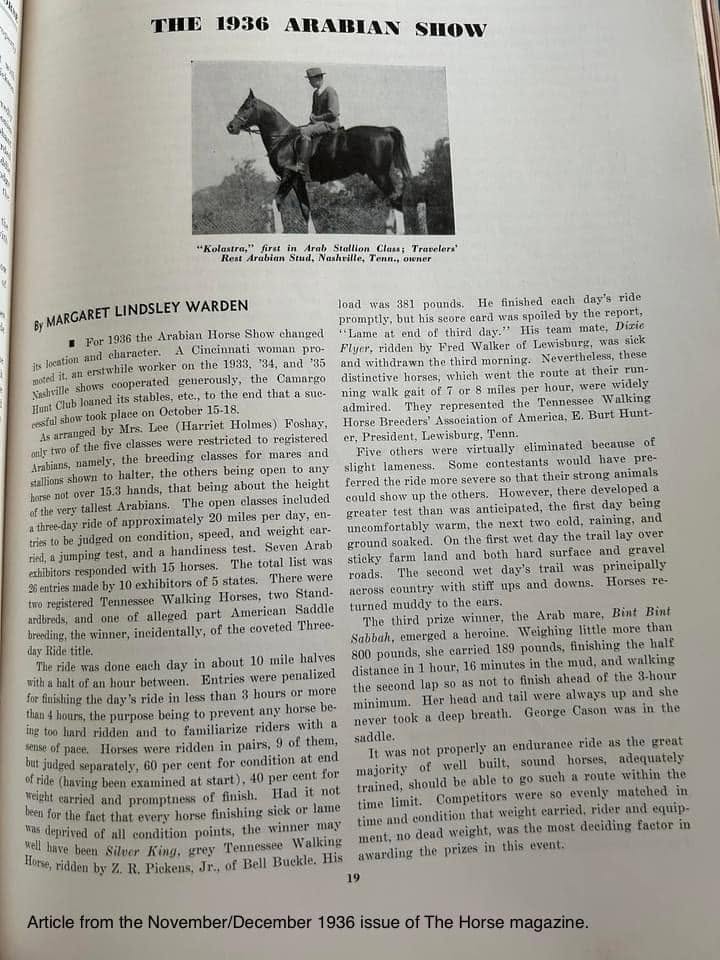
*Bint Bint Sabbah
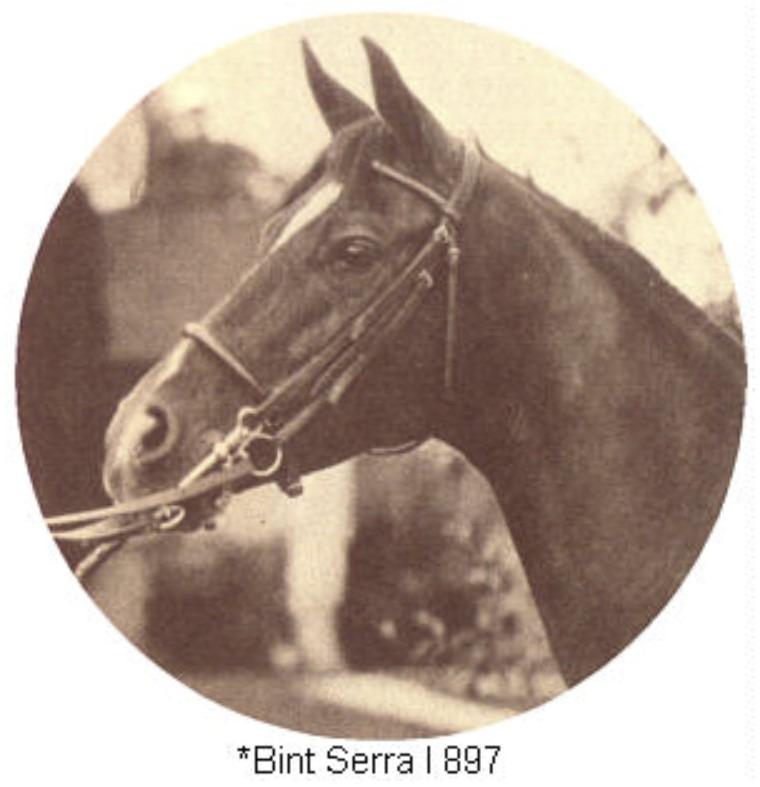
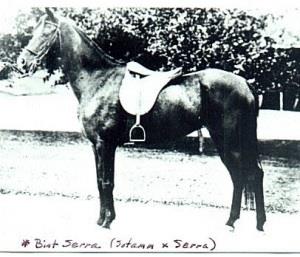
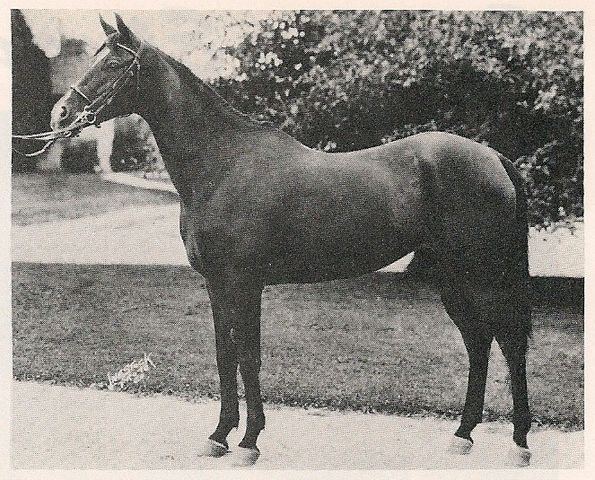
*Bint Serra I
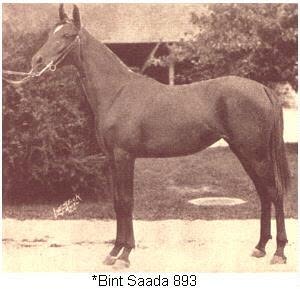
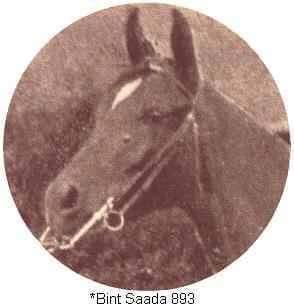
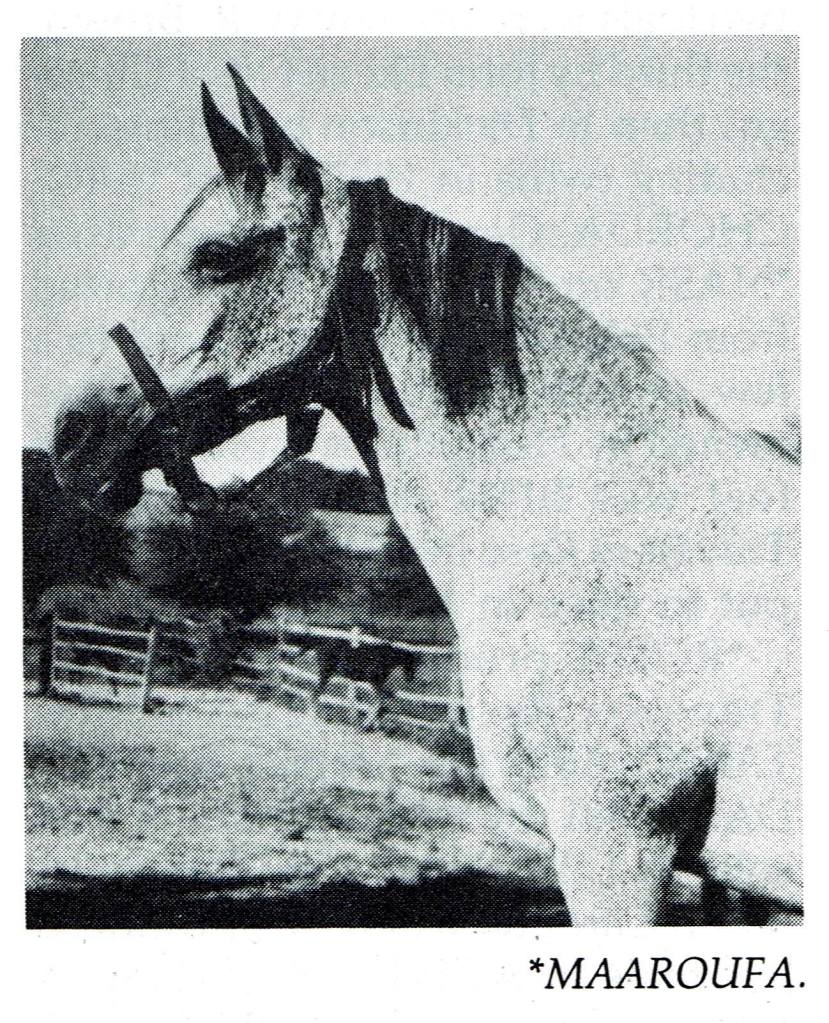
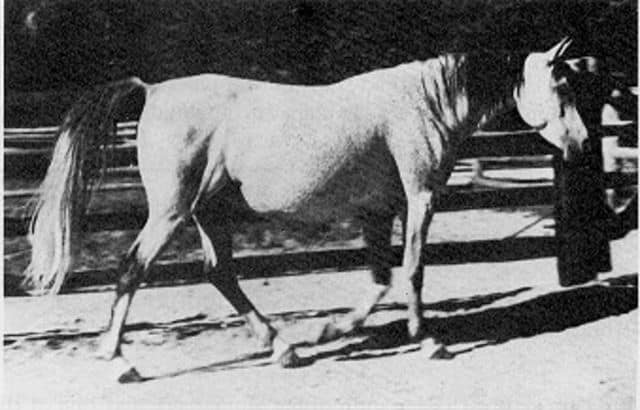
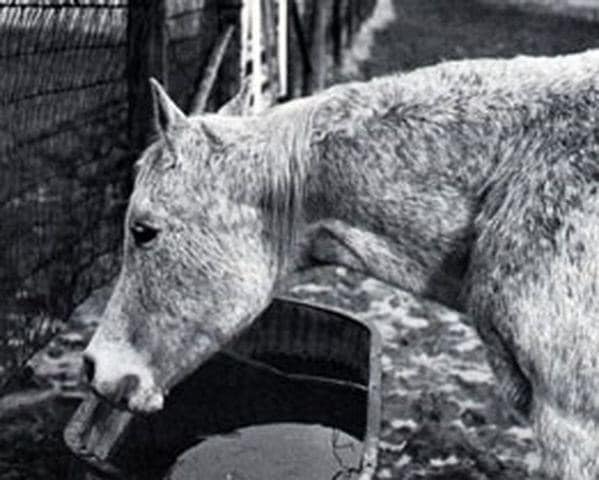
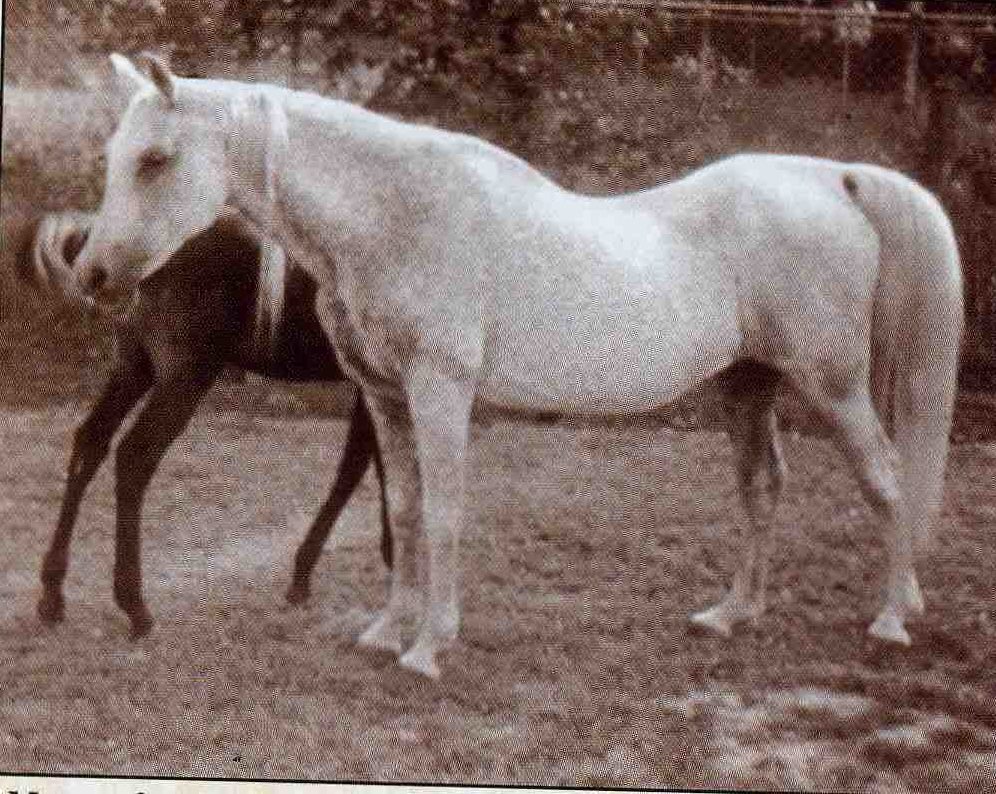
*Maaroufa
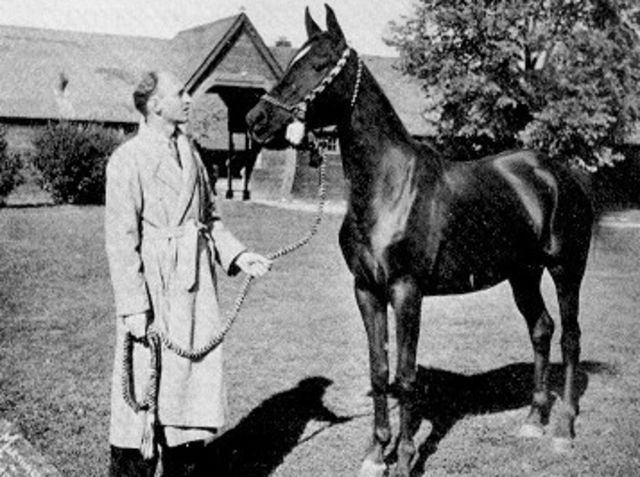
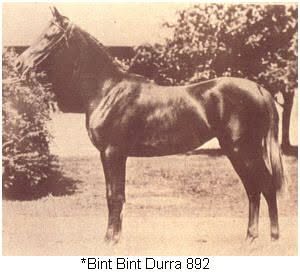
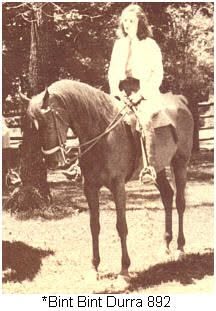
*Bint Bint Durra
Babson blood adds substance to anything it is paired with and gives curves to angular types, and especially when it’s paired with Sirecho blood. Within Babson lines, there are two distinct types – a very stocky and more squat build through Fa-Serr, and a leggier build through Fay-El-Dine, both of which are in Halimah’s pedigree – lending her the ability to produce the best of both worlds. Babson horses are also known for their calm and even-keel temperaments. Some breeders, now and historically, have considered the breeding of Babson mares to New Egyptian (imported after 1958) stallions as “the Golden Cross”. Today, however, many Babson breeders only use their mares to preserve Straight Babson Egyptians by breeding them to Babson stallions only. Click here for more specific history about Babson Egyptians and their status today.
Halimah’s sire DU Mi Jamil was bred by Daniel Ulm in the US in 1995 before being exported to Canada in 2004. He is a Babson/Sirecho stallion meaning he has Babson breeding and additionally his pedigree includes Sirecho, who was an Egyptian stallion but not in Henry Babson’s importation.
Sirecho was foaled in 1939 at General Dickinson’s breeding farm Traveler’s Rest Stud Farm. He was sired by *Nasr (a celebrated racehorse in Egypt before importation to the U.S. by W.R. Brown) and out of *Exochorda (bred via royal Egyptian/desert-bred lines associated with Prince Kemal el Dine). Of *Nasr, General Dickinson said he “represents a very high development of the classic type of Arabian, uniting dignity with grace.” Exochorda was brought to the U.S. from Egypt in 1925 by Egyptian diplomat Mahmoud Samy Pasha. He served as Egypt’s Envoy Extraordinary and Minister Plenipotentiary to the United States and facilitated her transport in his official capacity.
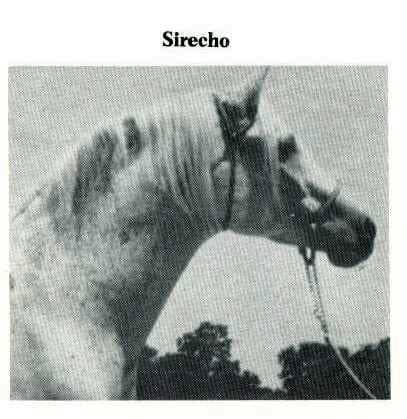
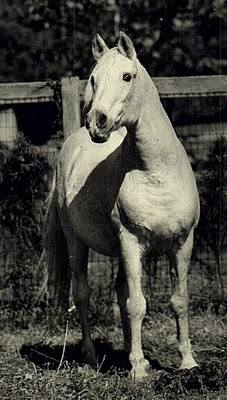
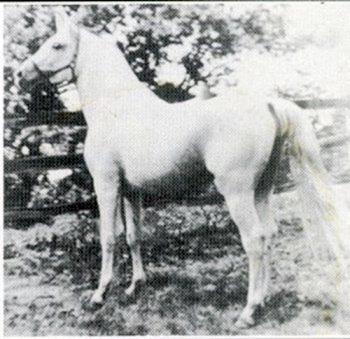
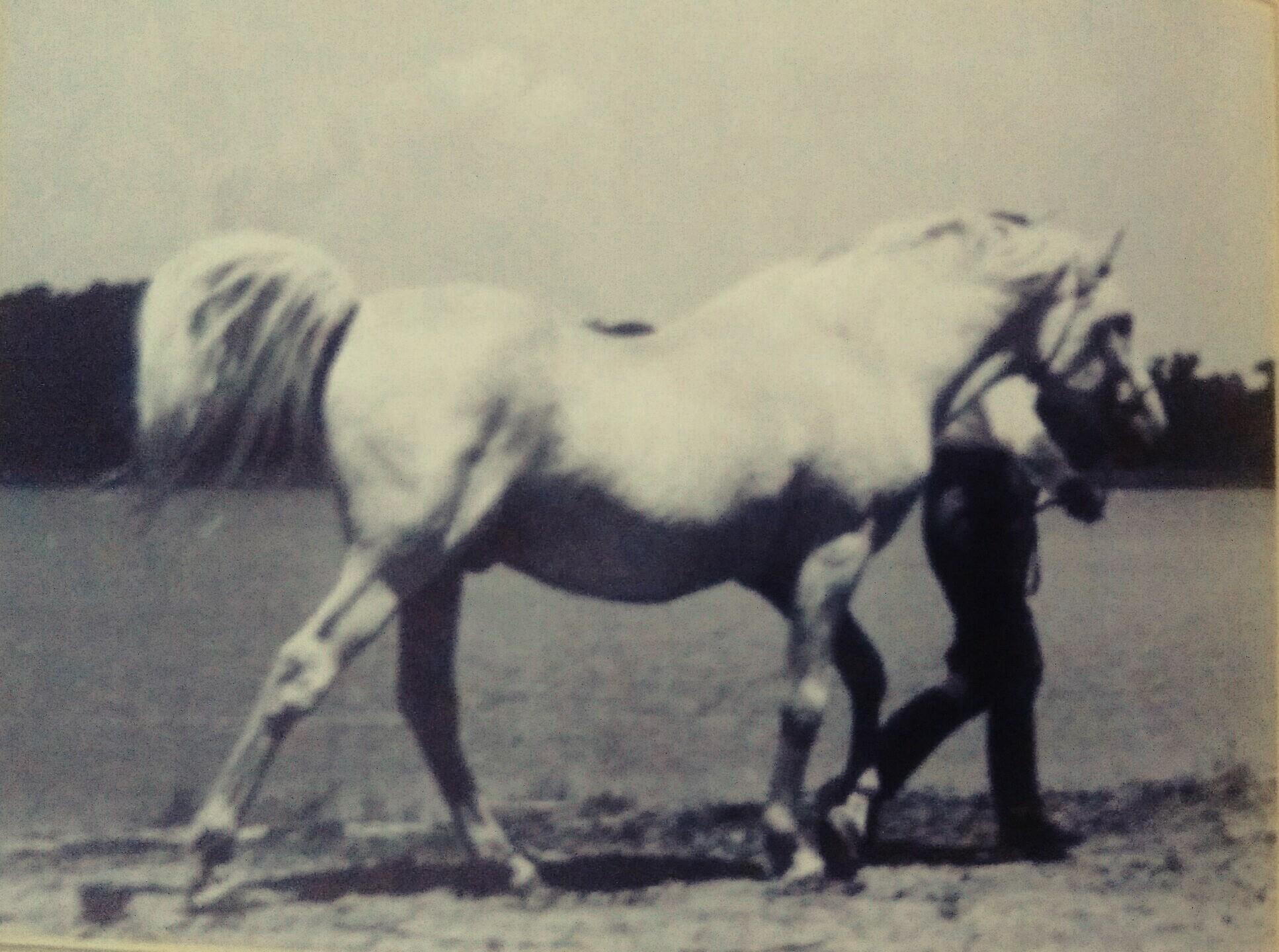
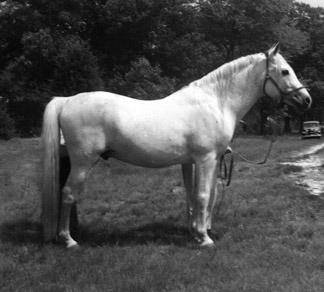
Sirecho
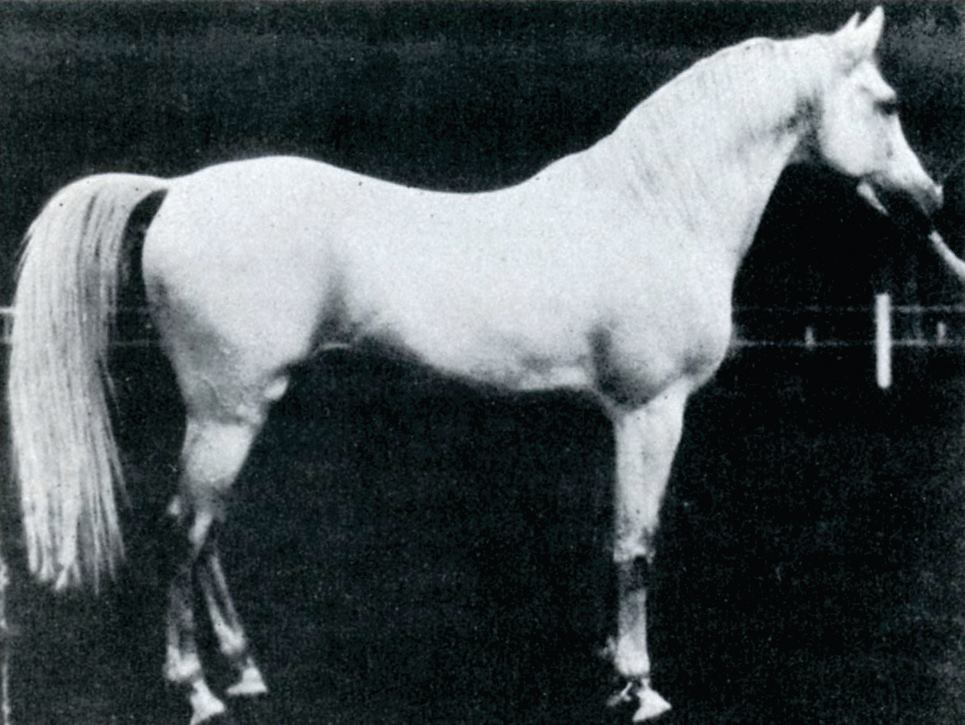
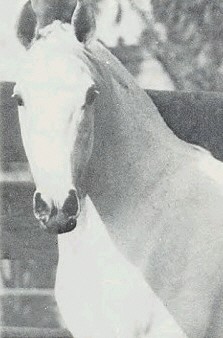
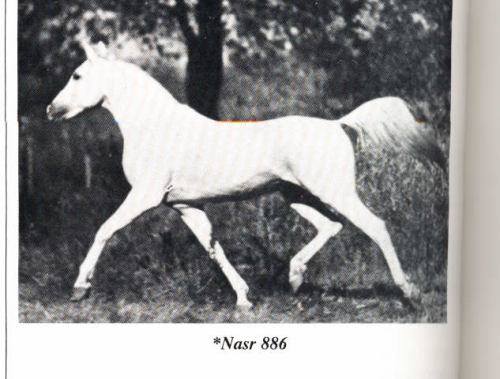
Sirecho’s Sire Nasr
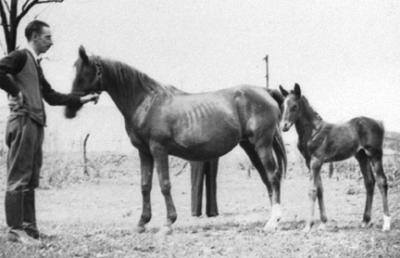
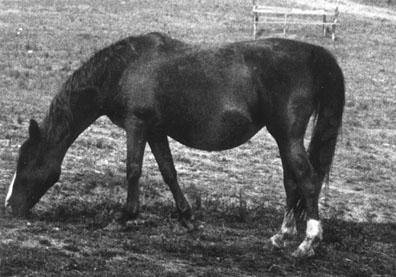
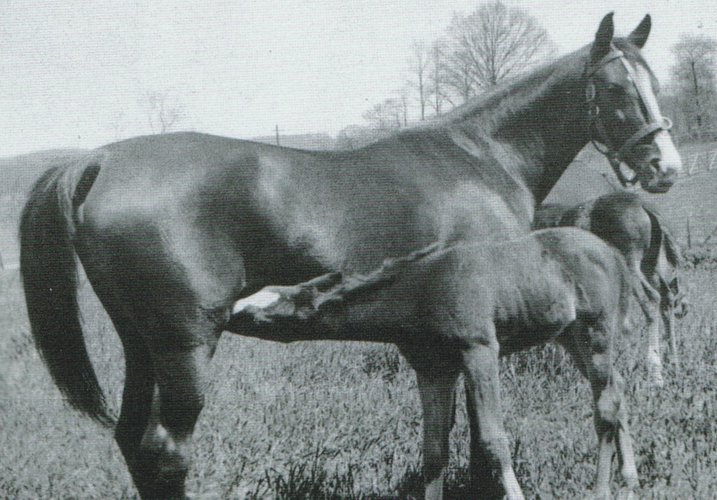
Exochorda
Babson/Sirecho horses are prized for their stamina, strong working minds, athletic movement, and versatility in disciplines ranging from performance and show rings to long-distance trail riding and endurance. They are notably round with ample substance.
DU Mi Jamil is Asil, and Sheyk Obeyd – meaning that his ancestors trace to the Sheyk Obeyd stud of Egypt founded by Wilfred Lady Anne Blunt. Sheyk Obeyd stock descend exclusively from those Arabians bred by, acquired by, authenticated by, or otherwise introduced into the genetic stream any of the seven original foundation breeders, or combination thereof. The foundation breeders were: Abbas Pasha, Ali Pasha Sherif, Wildred & Lady Anne Blunt, Ahmed Bey Sennari, Prince Ahmed Pasha Kemel, Khedive Abbas II, and Royal Agricultural Society while under the supervision of Dr. Branch.
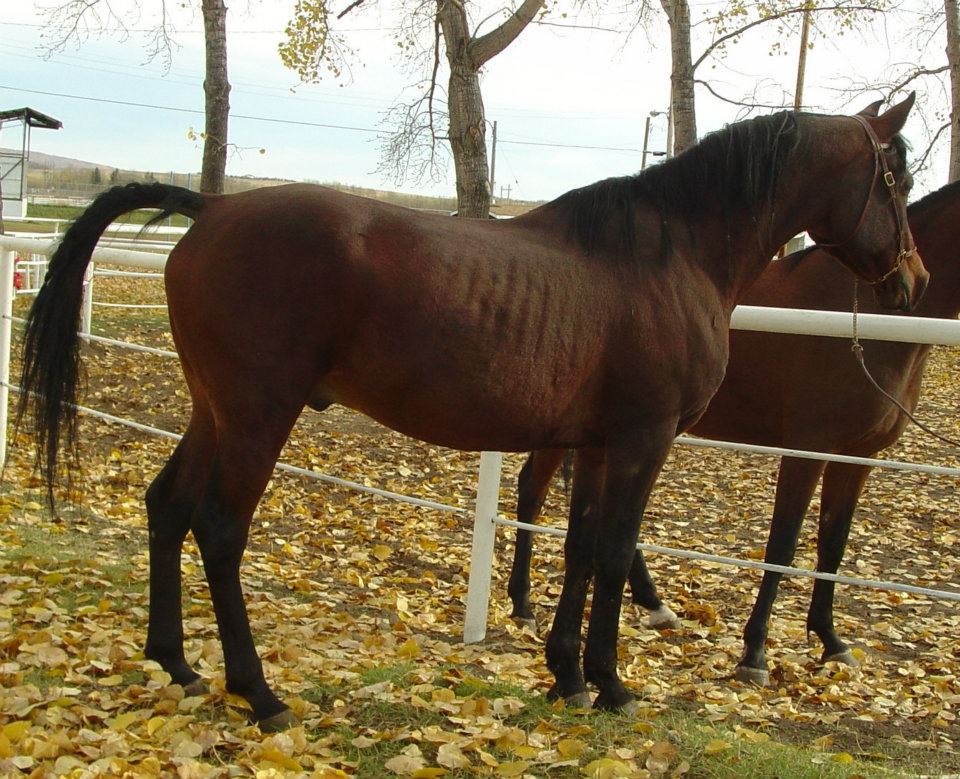
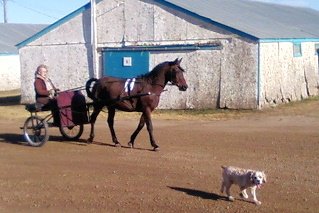
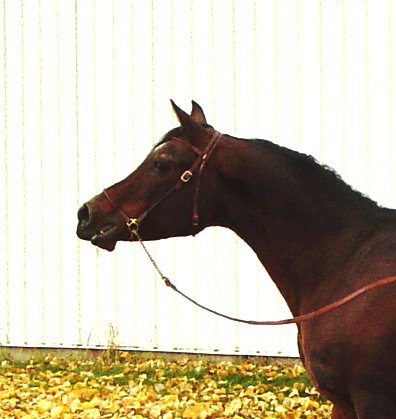
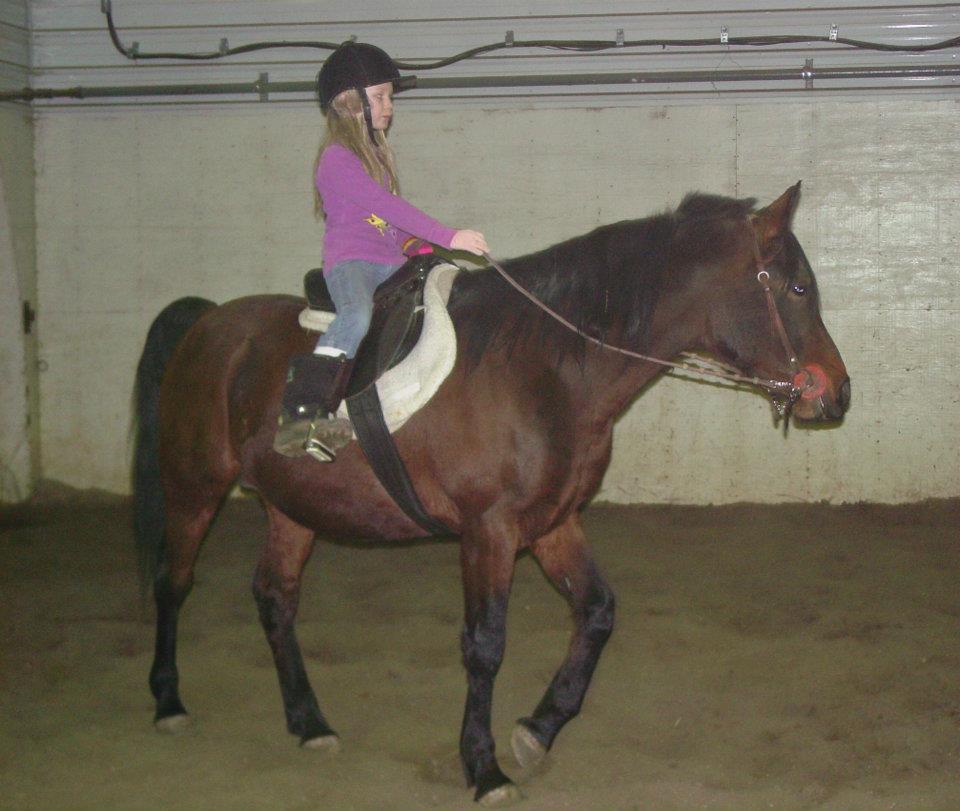
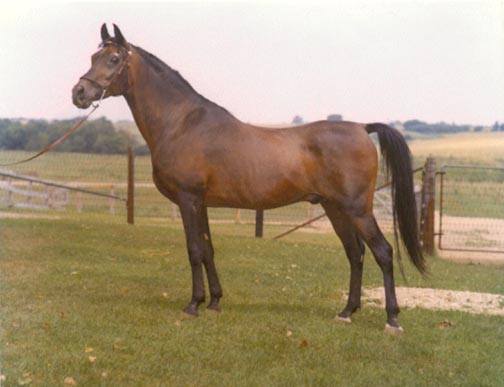
Photos of DU Mi Jamil show a powerfully built horse with a strong back sitting between well-laid shoulders and a deep hip, and also one that was gentle enough for kids to ride. He also was trained to pull carts.
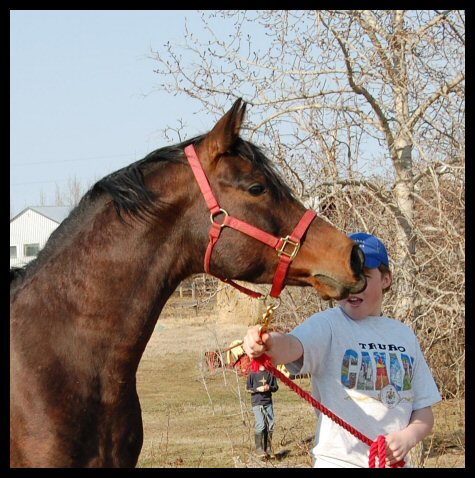
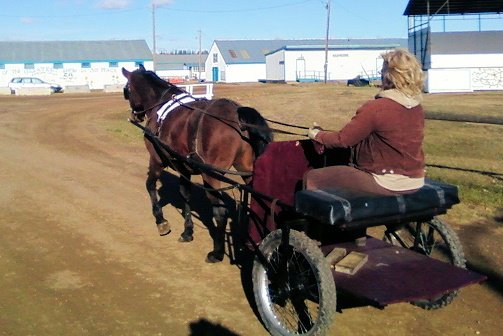
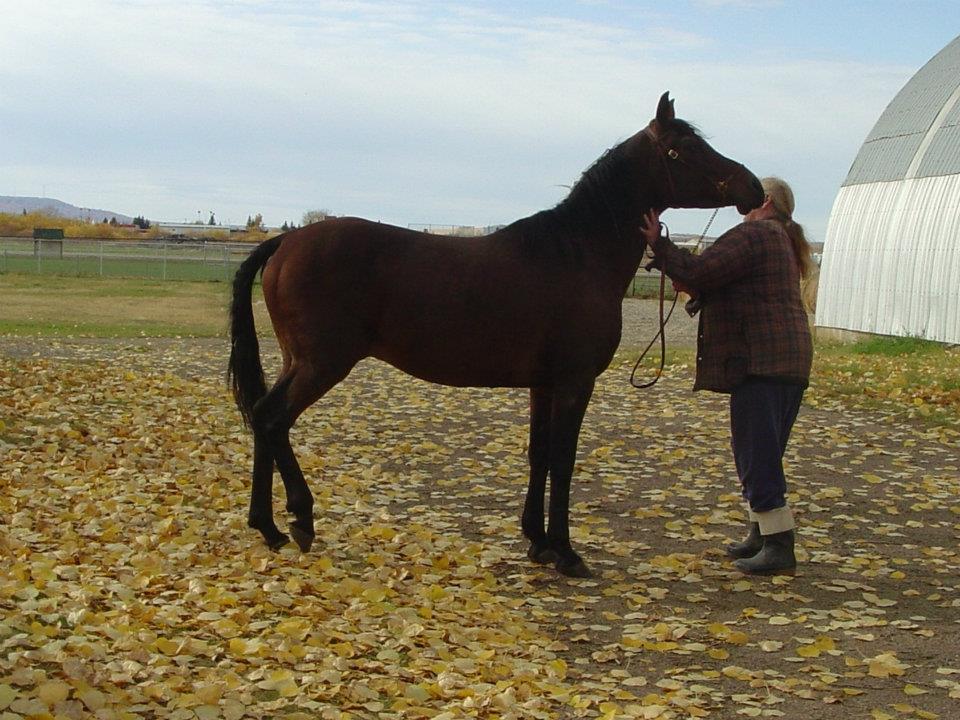
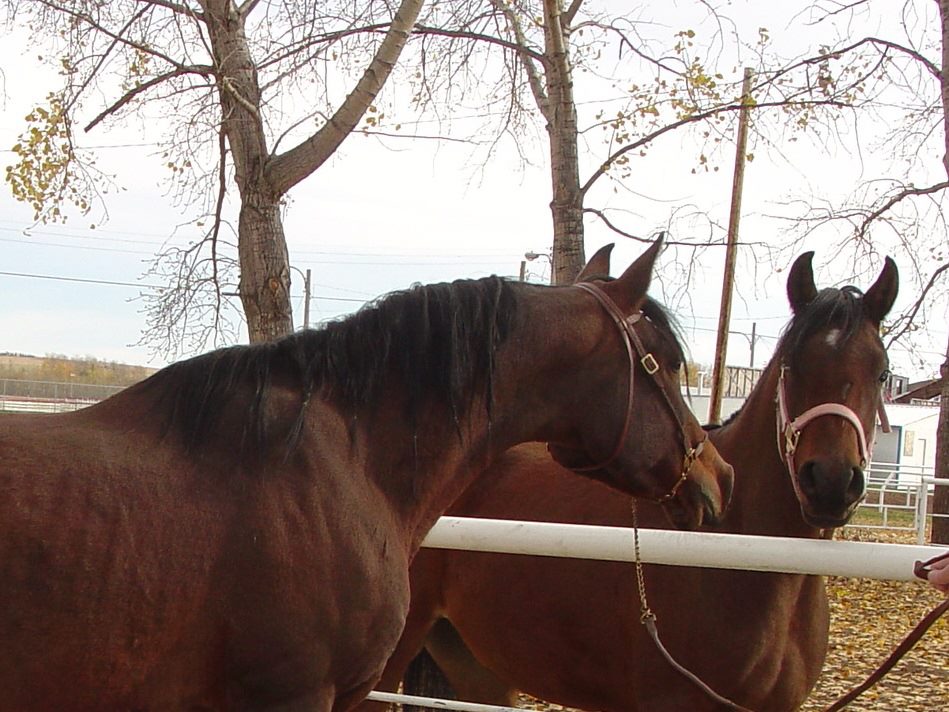
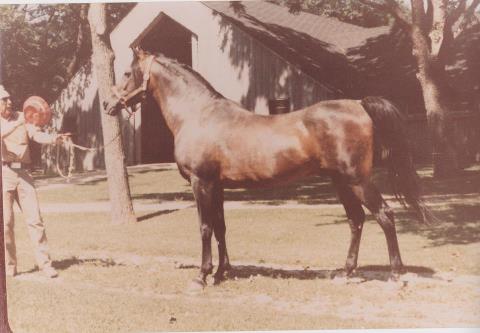
DU Mi Jamil is sired by Ibn Mahrouf. Alice Ulm, Dan Ulm’s daughter, says of Ibn Marouf, “Ibn was just a pleasure to work with, amazing heart… he was a grand boy.” He was bred at the Babson Farm, and changed ownership a number of times, having sired 43 foals over the course of his life. He spent some time in Arizona at Bint Al Bahr Arabians who say about him, “Ibn Mahrouf was a lovely stallion, leggy, graceful and fluid in movement. He was easy to handle and a very nice horse to be around. We greatly enjoyed his visit.”
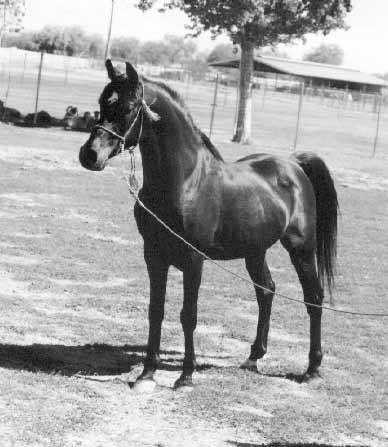
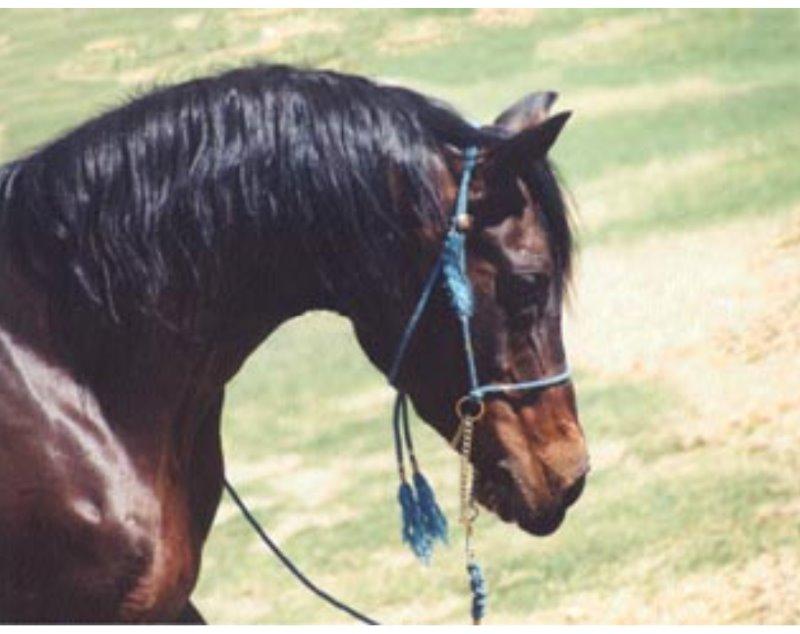
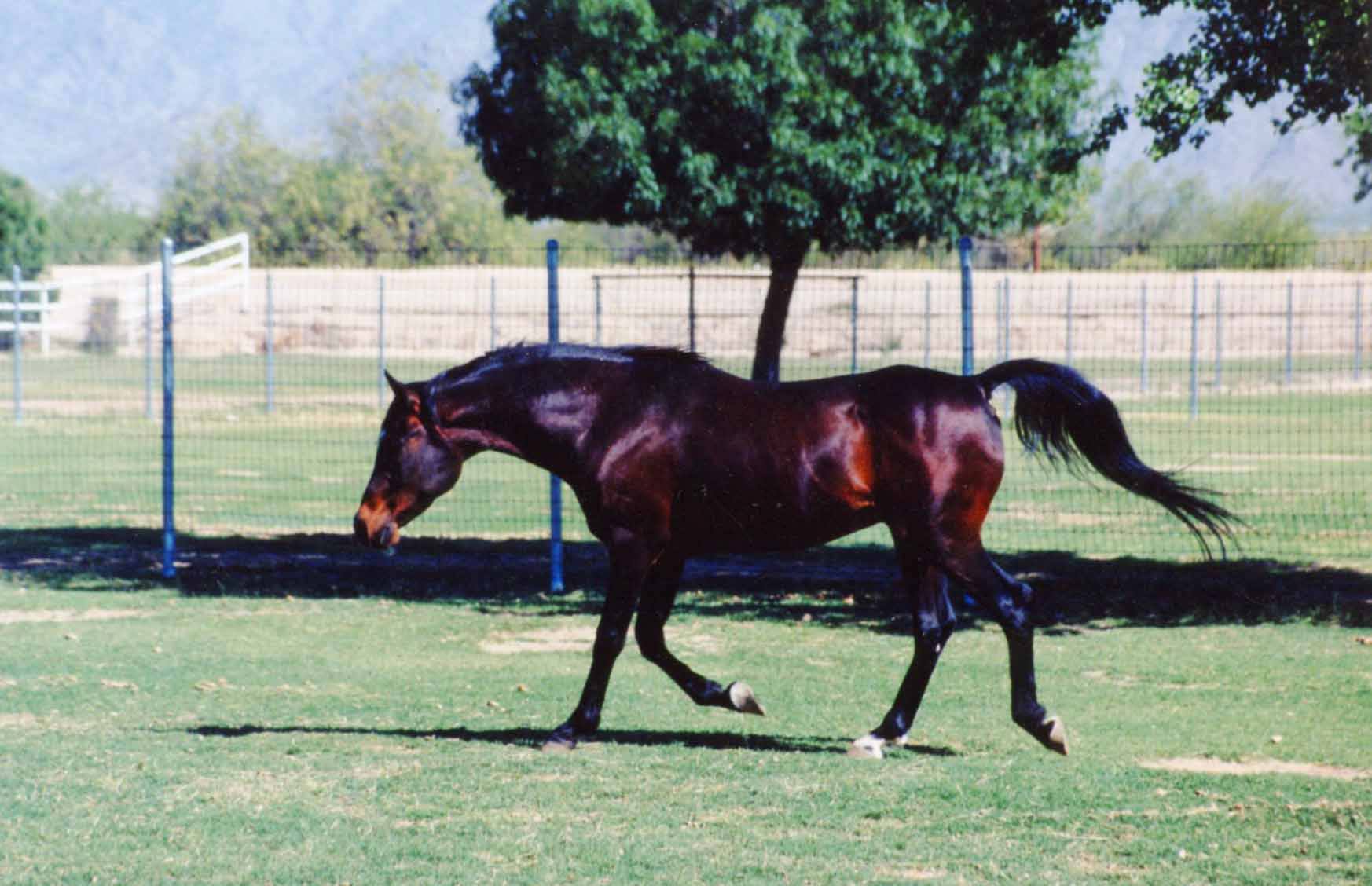
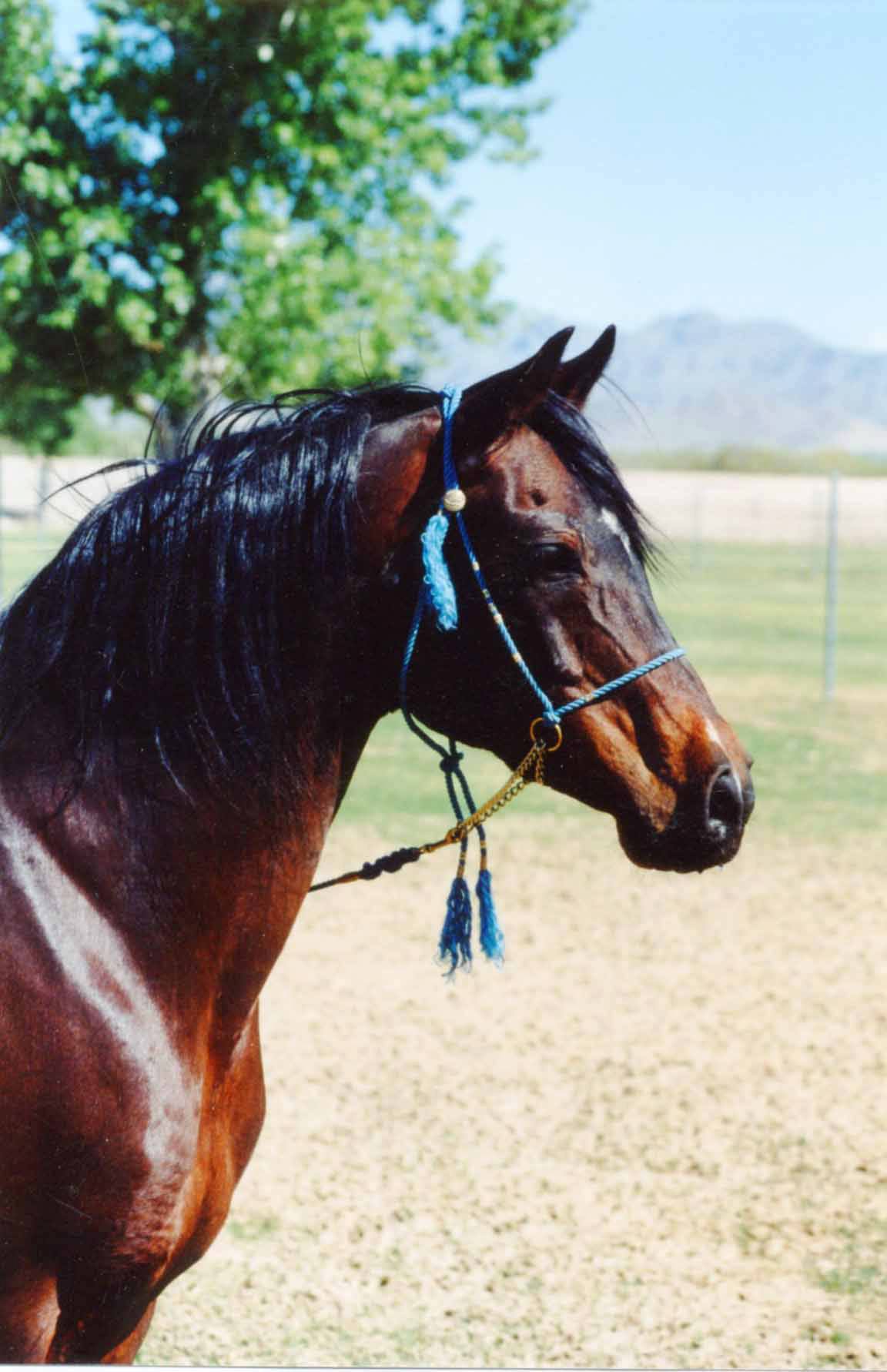
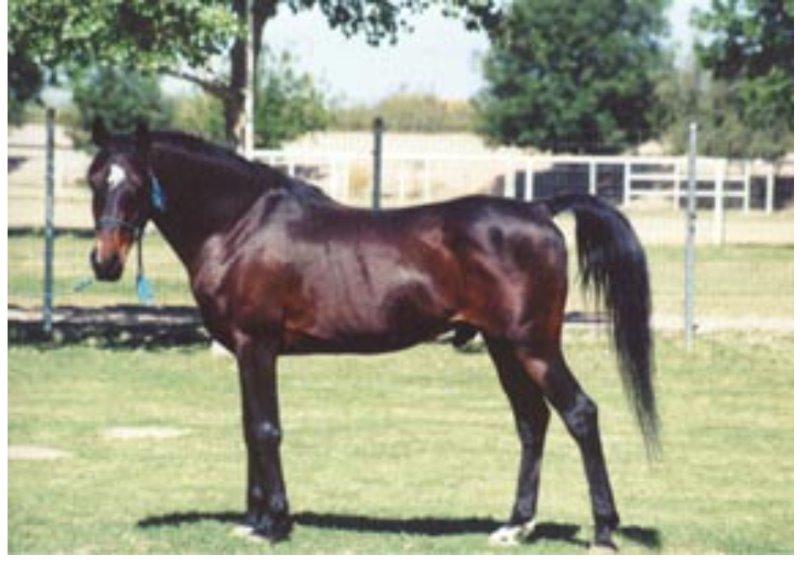
Ibn Mahrouf
bn Mahrouf was also a special stallion in terms of Babson breeding because he represented an “outcross” of sorts as his pedigree lacks Ibn Fa-Serr. This aspect of the pedigree was utilized when he was bred to Serouba (an Ibn Fa-Serr granddaughter) to produce DU Mi Jamil. This cross capitalized on a type of “hybrid vigor” within Babson breeding as Fa-Serr and his son Ibn Fa-Serr are prolific in SBE (Straight Babson Egyptian) pedigrees.
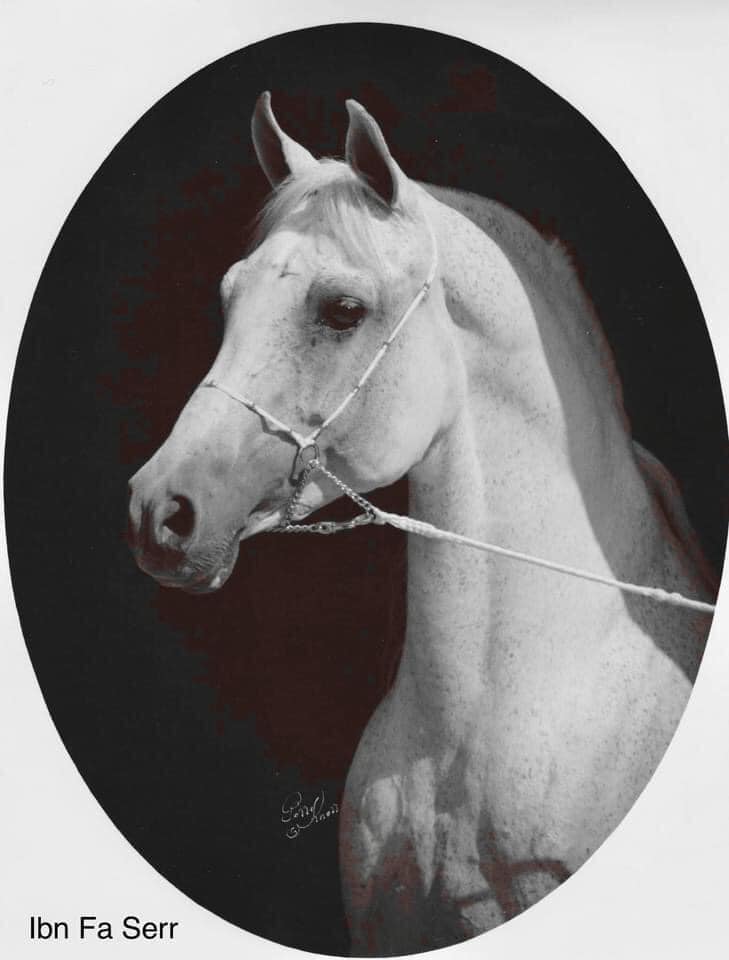
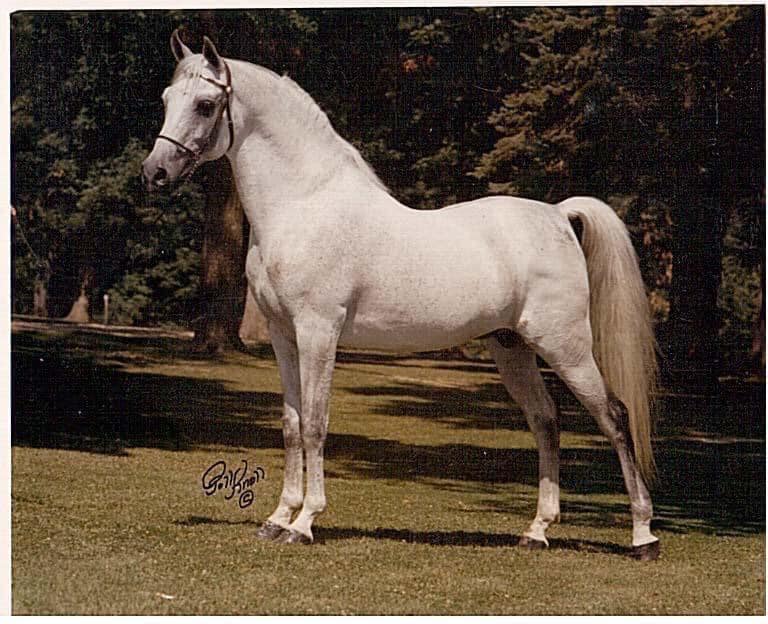
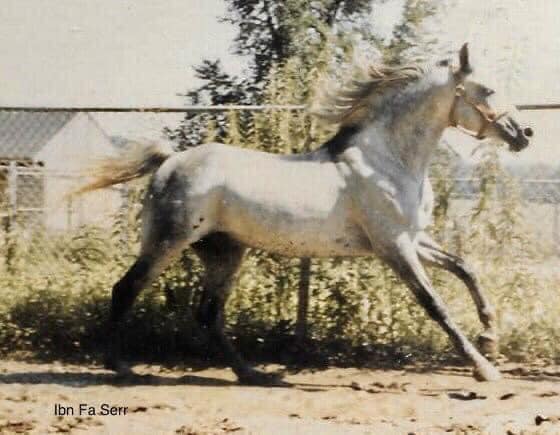
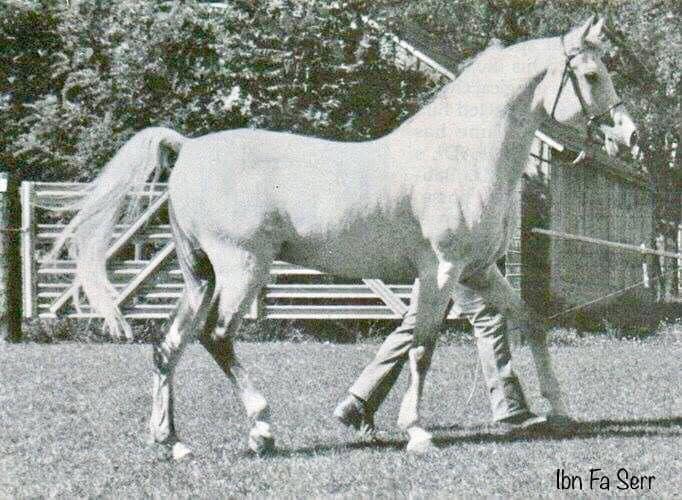
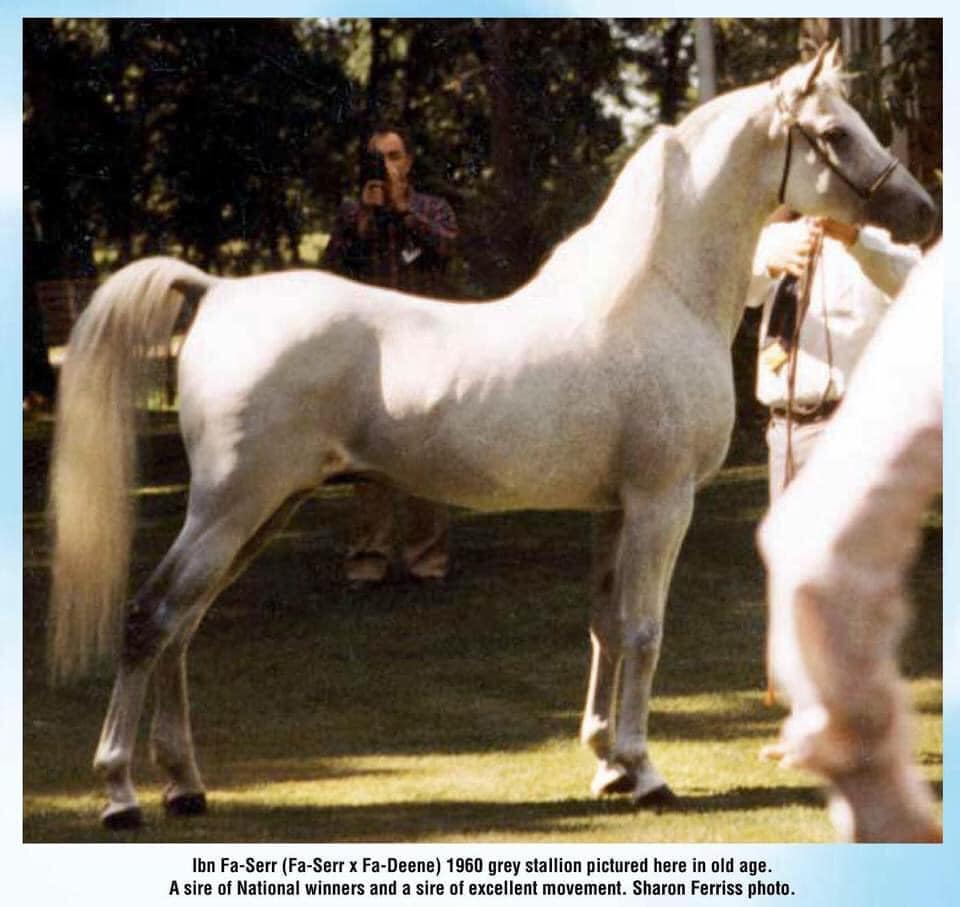
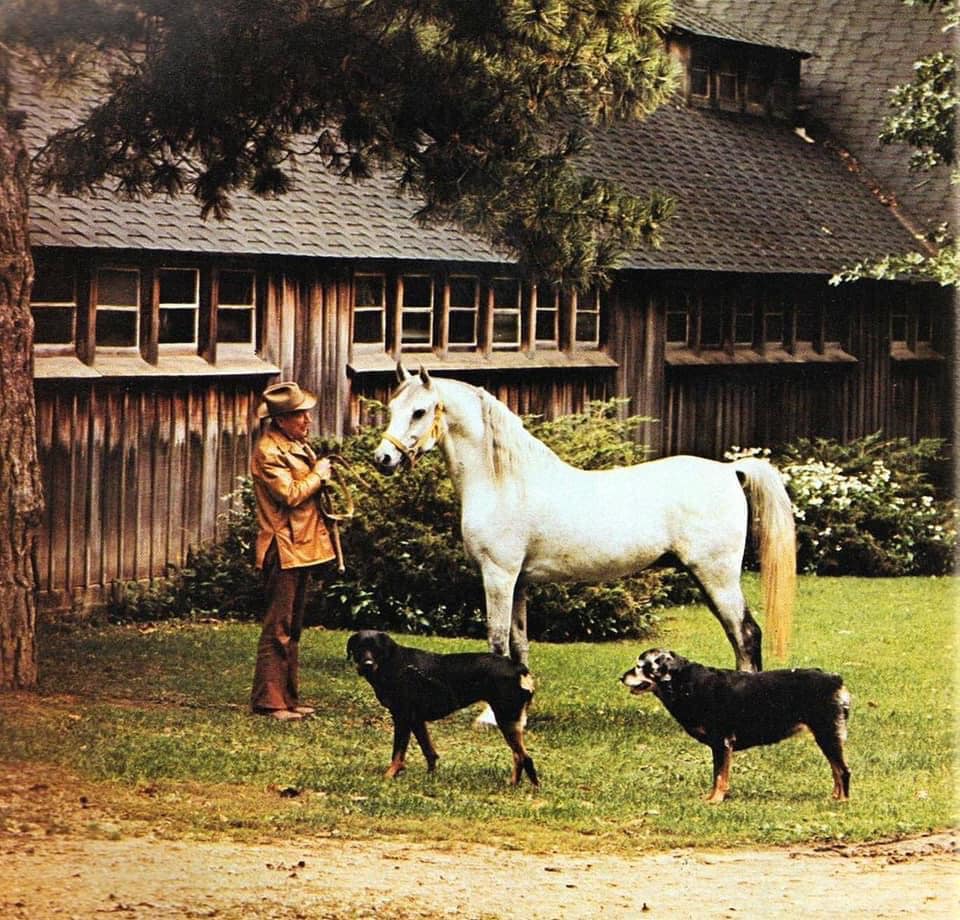
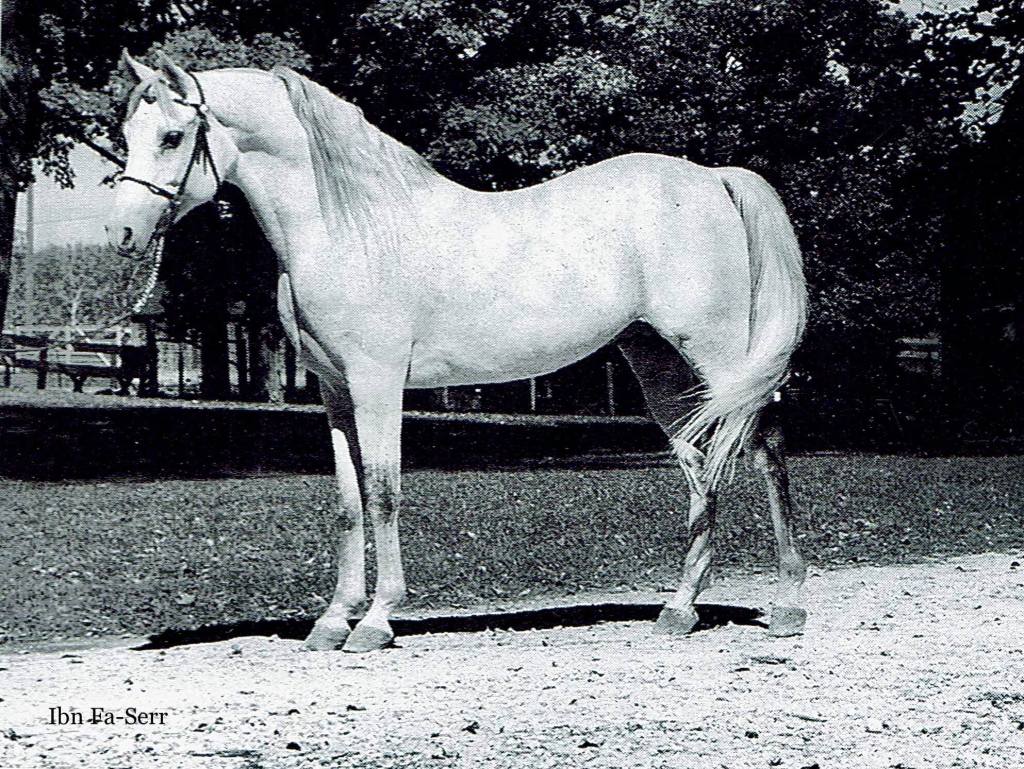
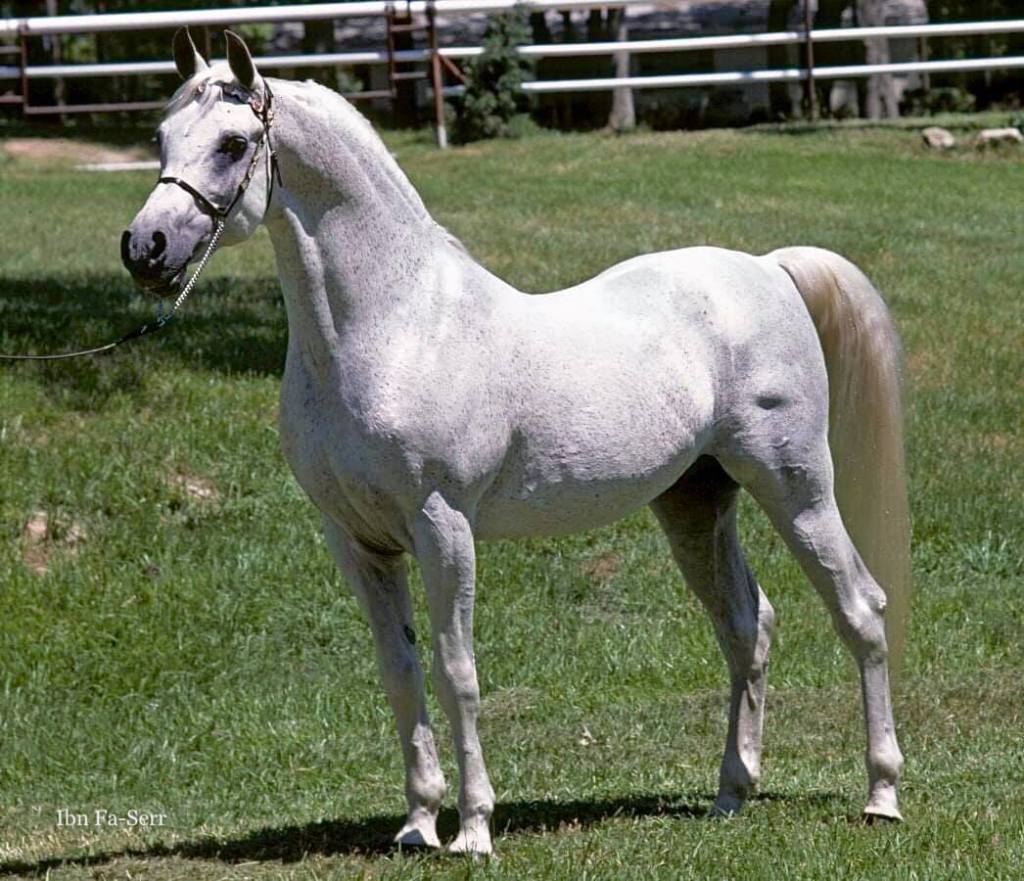
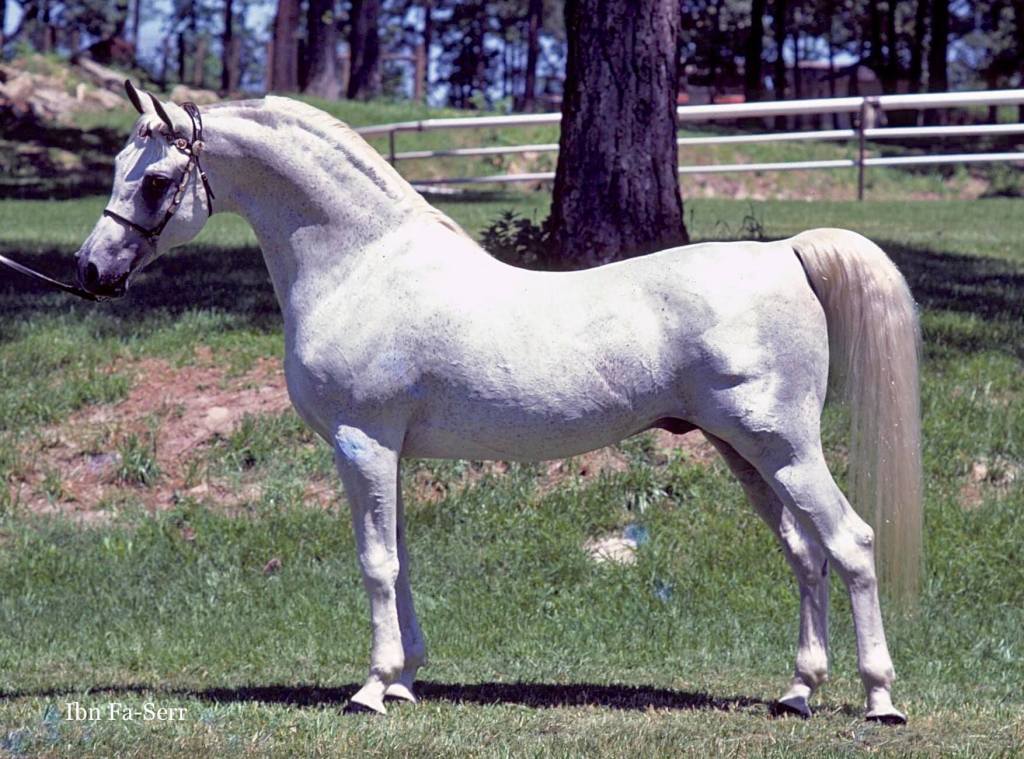
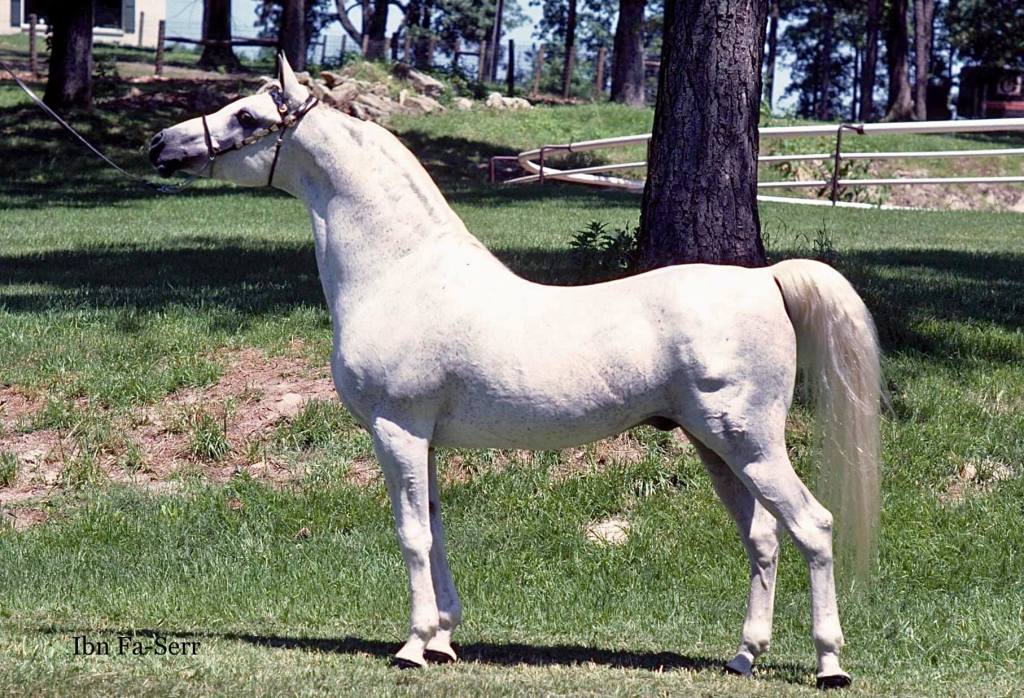
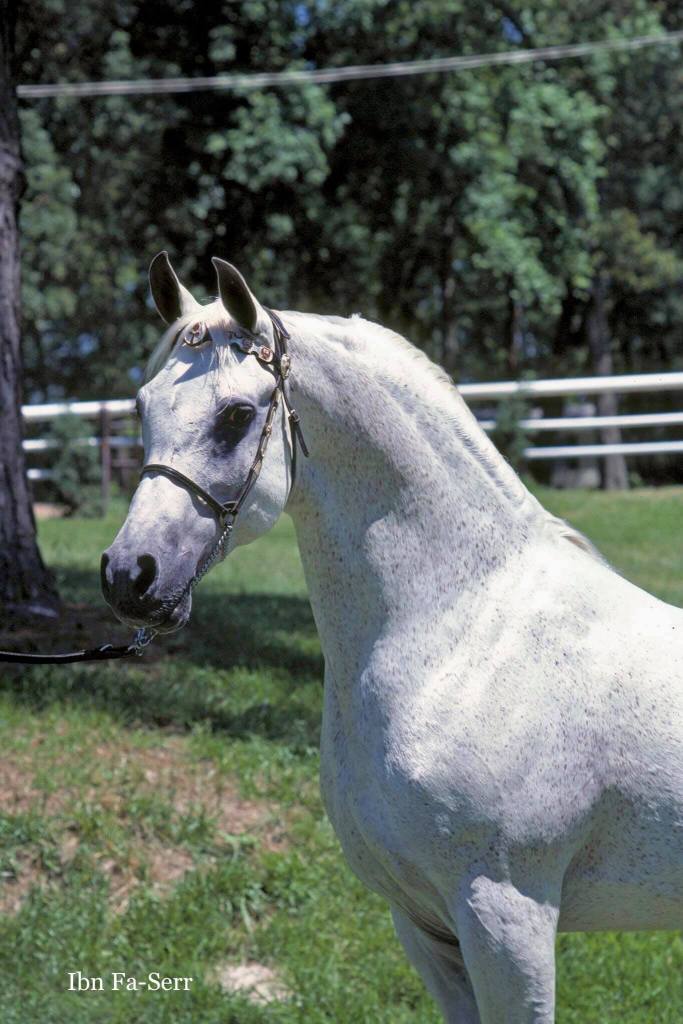
Ibn Fa-Serr
Joe Ferriss describes Ibn Fa-Serr as “a prolific stallion” who “sired numerous major show winners. His get were often superior movers with long powerful shoulders and good size.” In The Classic Arabian Horse, author Judith Forbis wrote, “Mr. Babson was the first American Egyptian breeder to experiment with breeding a full brother to full sister, which he did in mating FaSerr to FaDeene. The result was the striking, very prepotent grey stallion Ibn Fa-Serr, a real credit to the breed as an individual and sire, and a testimony to Mr. Babson’s foresight.”
Ibn Marouf was sired by the chestnut stallion Marouf. The 1972 stallion was undefeated Park Champion in Region XI, Champion in Formal Combination (a historical Arabian horse show class where a single horse competes in two distinct disciplines: first in harness as a Formal Driving horse, and then under saddle as a Park Horse) and Champion in Formal Driving. Mahrouf was a leading sire at Babson Farms for many years siring 55 foals and is grandsire to over 225. Carolyn Gardner was his rider and trainer.
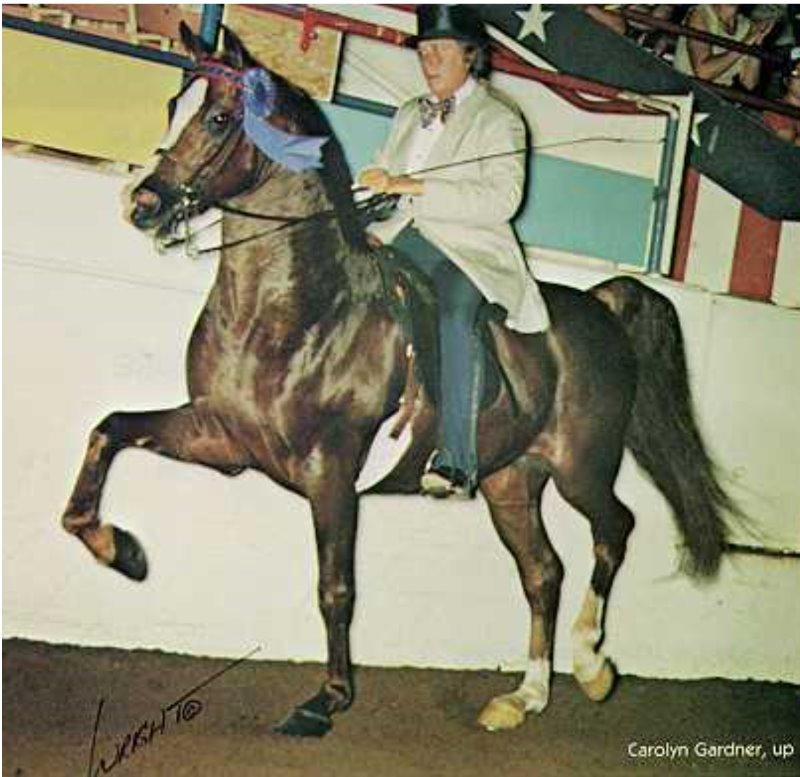
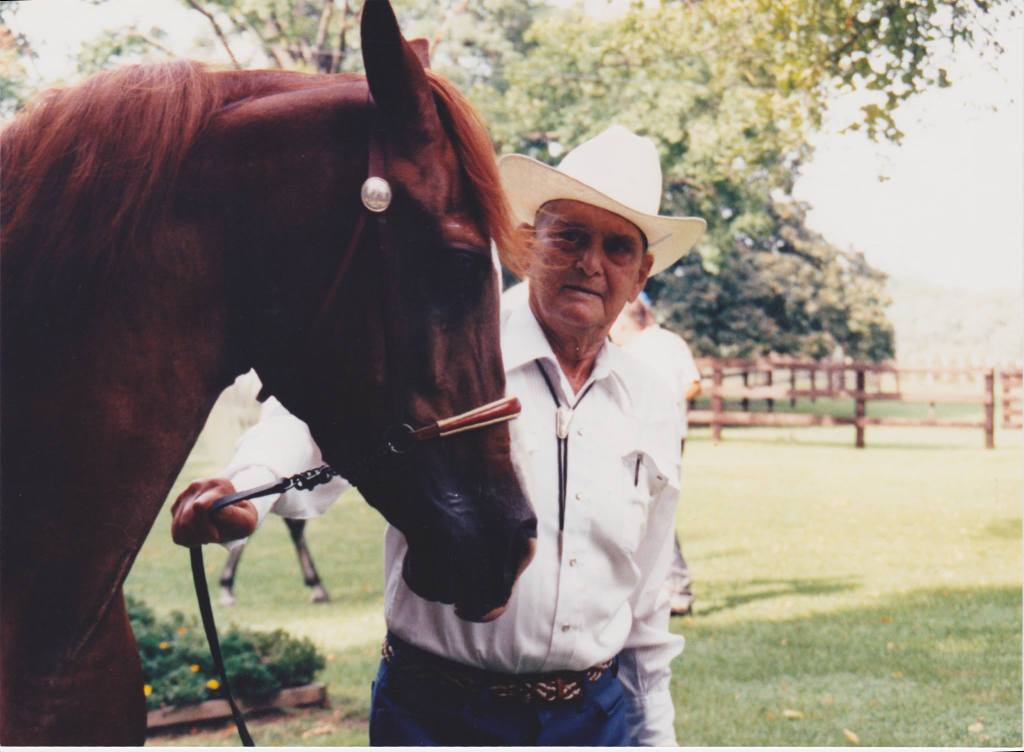
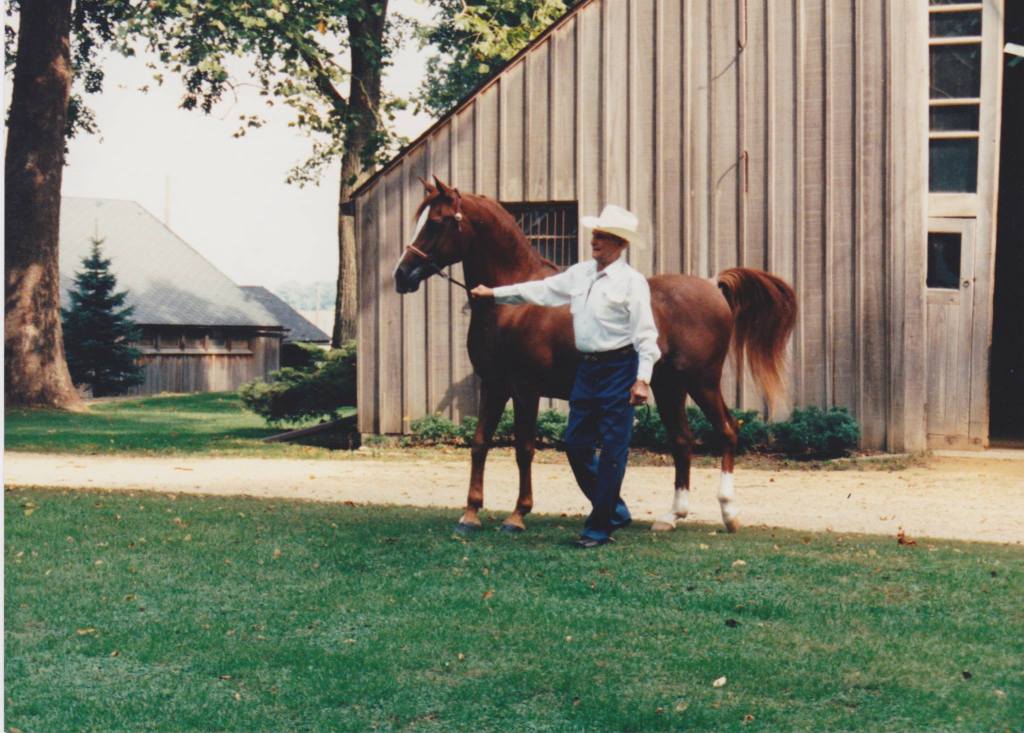
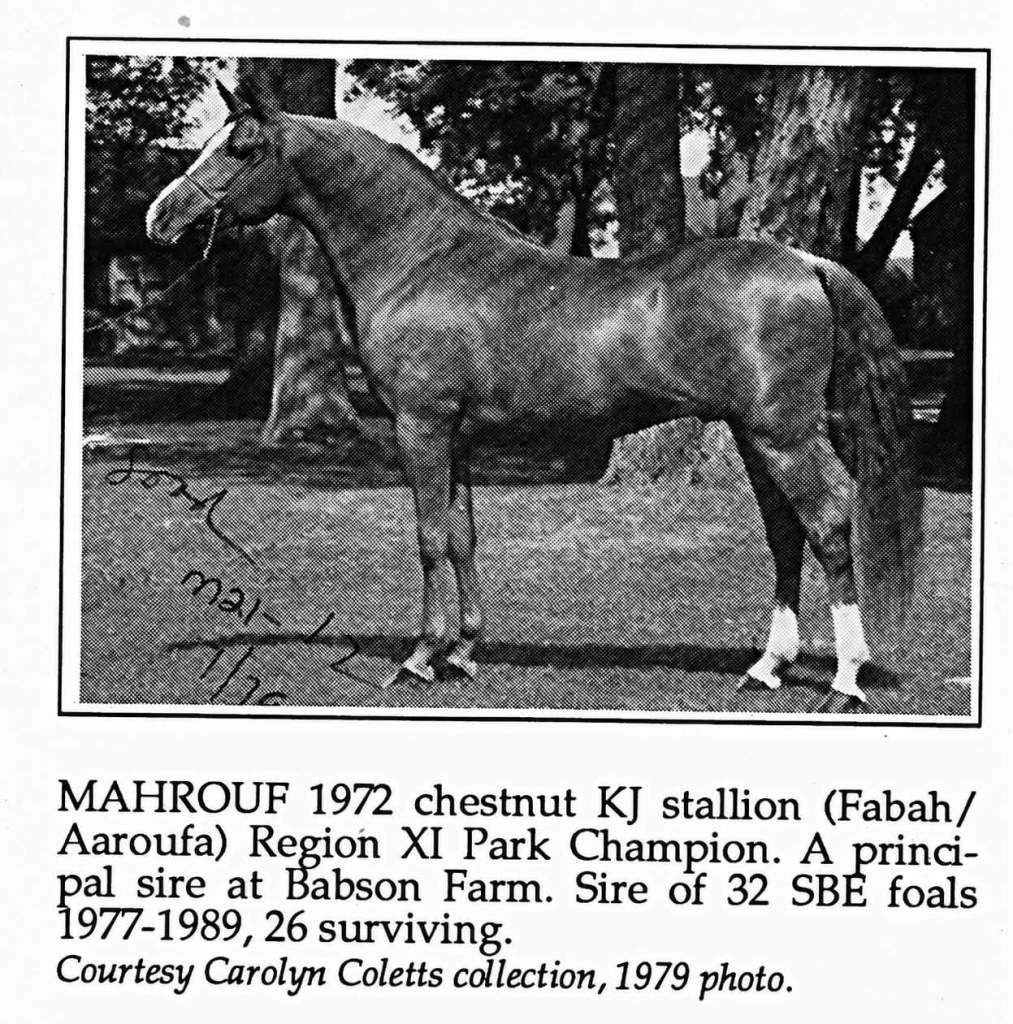
Mahrouf
Ibn Marouf’s dam Serr Abba is the result of a half-brother/half-sister mating, which when done carefully, locks in the positive traits of the common ancestor, in this case, *Fadl, who was famously used for everything from endurance to polo. From the Purebred Arabian Trust: “*Fadl, however, was a champion in his own right and represented the versatility Arabians are known for. He excelled at endurance rides, halter classes, polo, working cow, harness, stud, and pleasure riding. For this reason, *Fadl was described as ‘all things to all men’ by George Cason, manager of Babson Arabian Farm.”
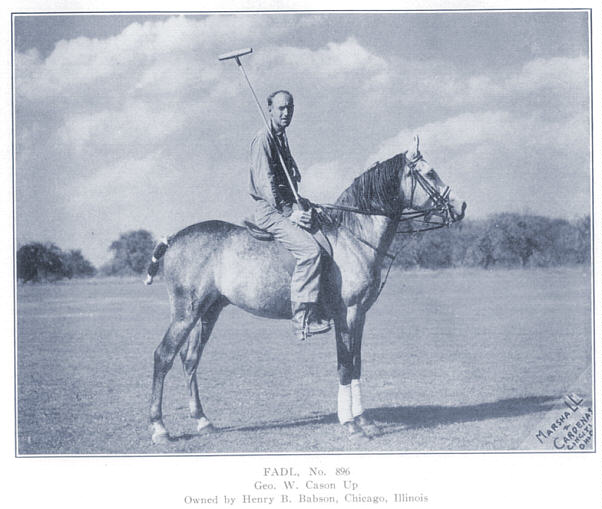
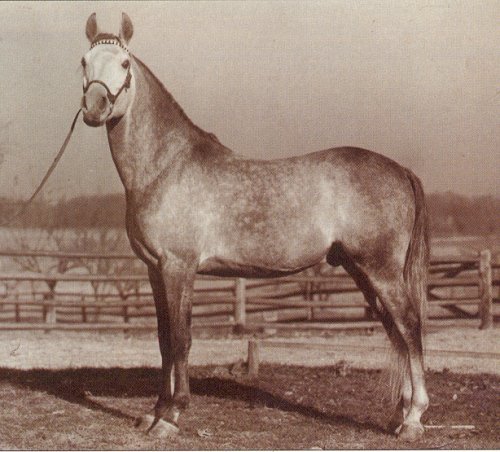
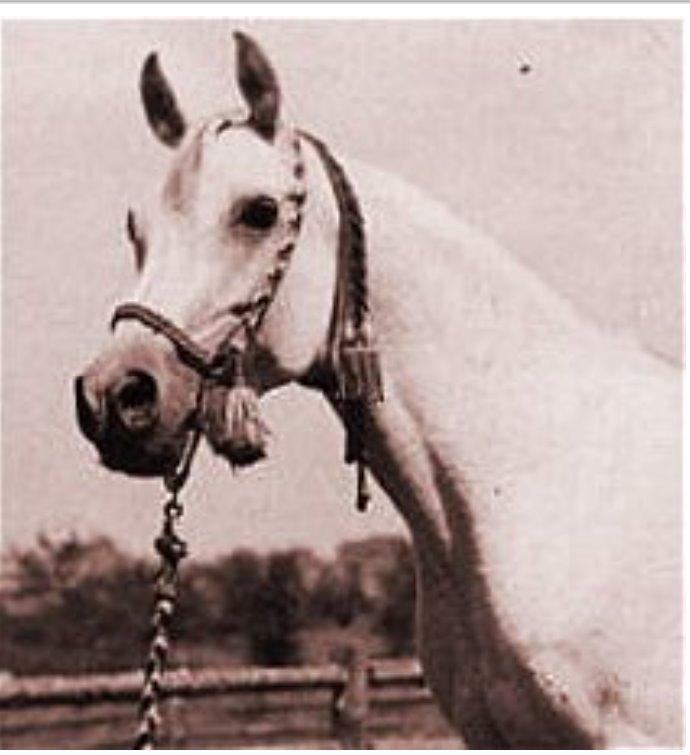
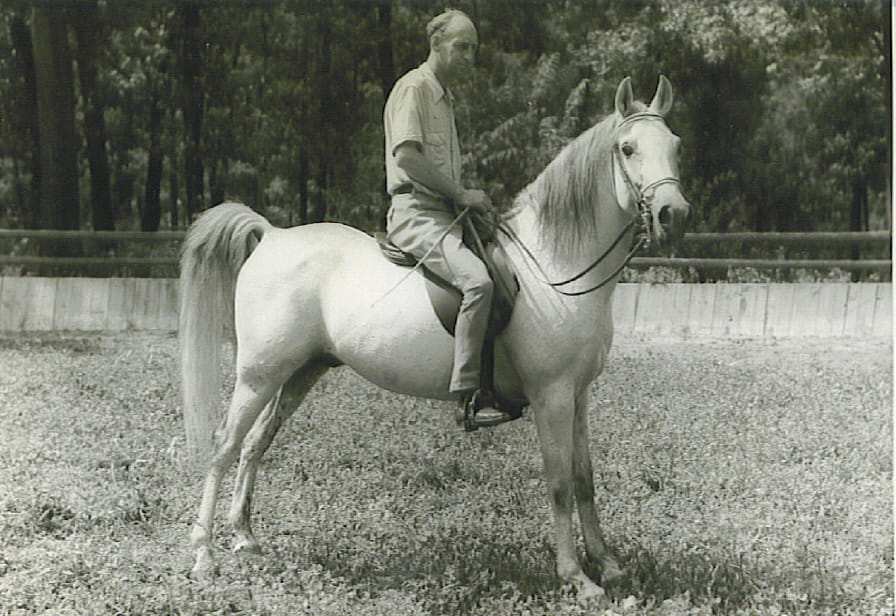
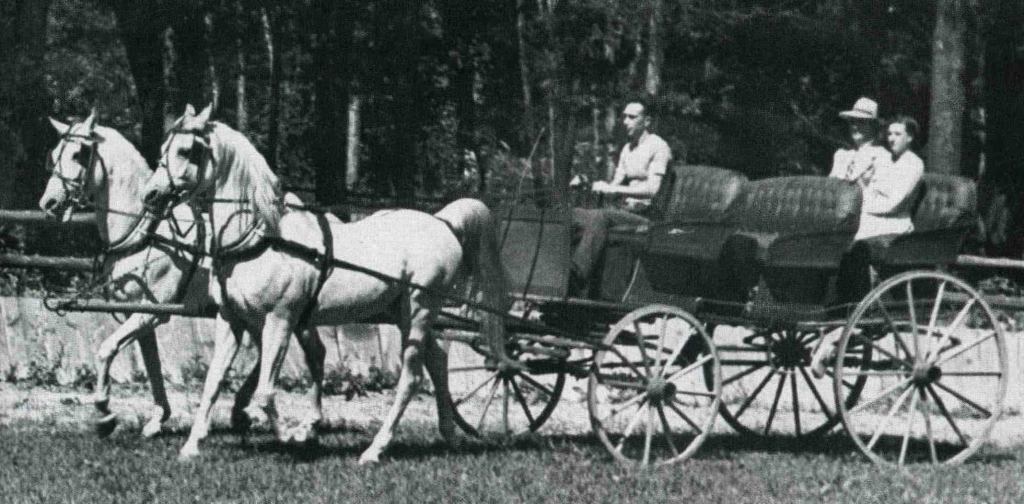
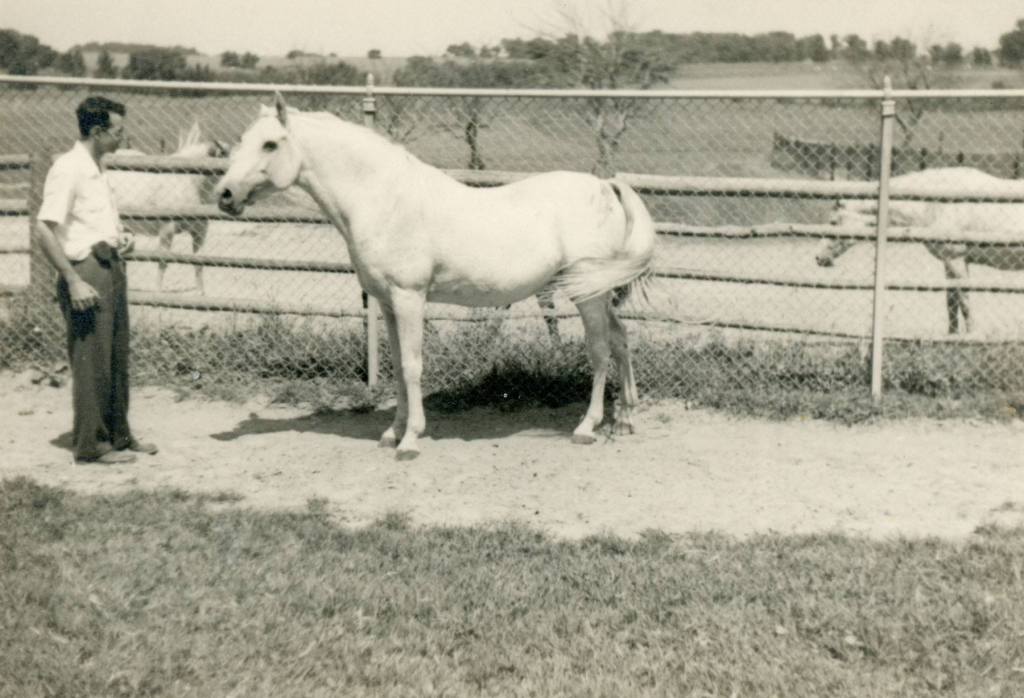
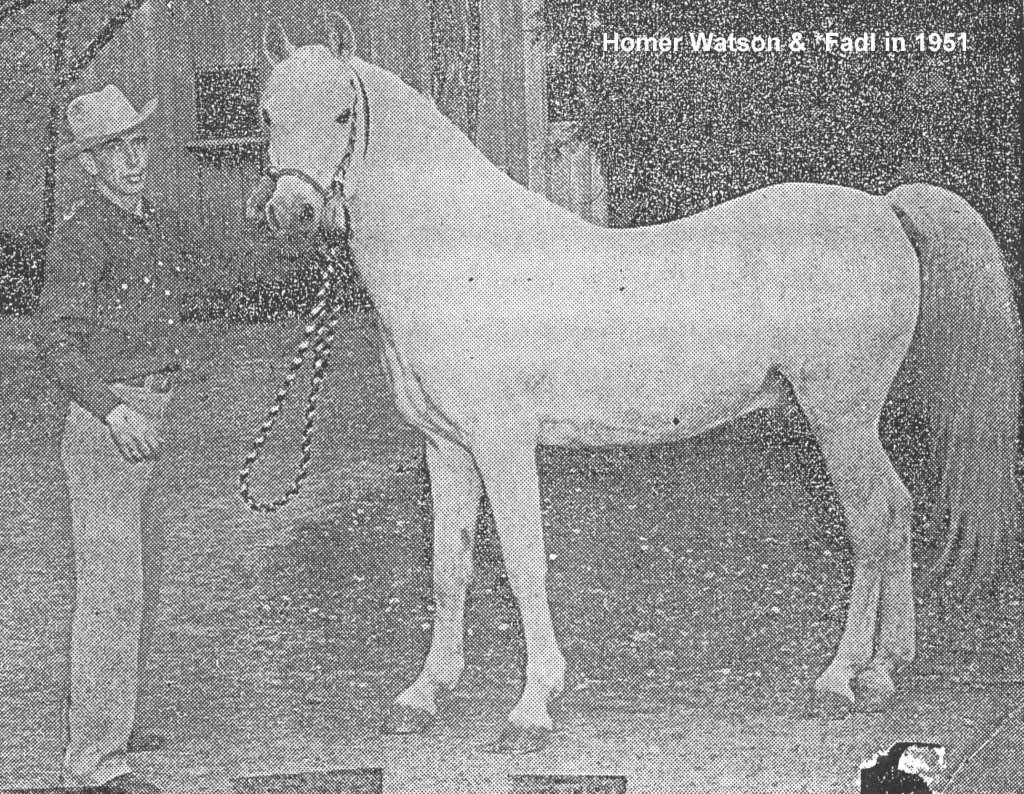
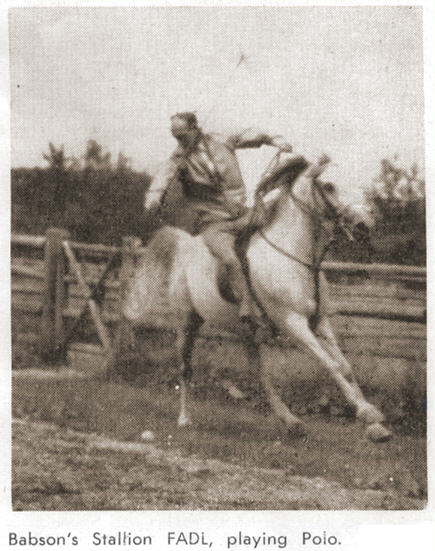
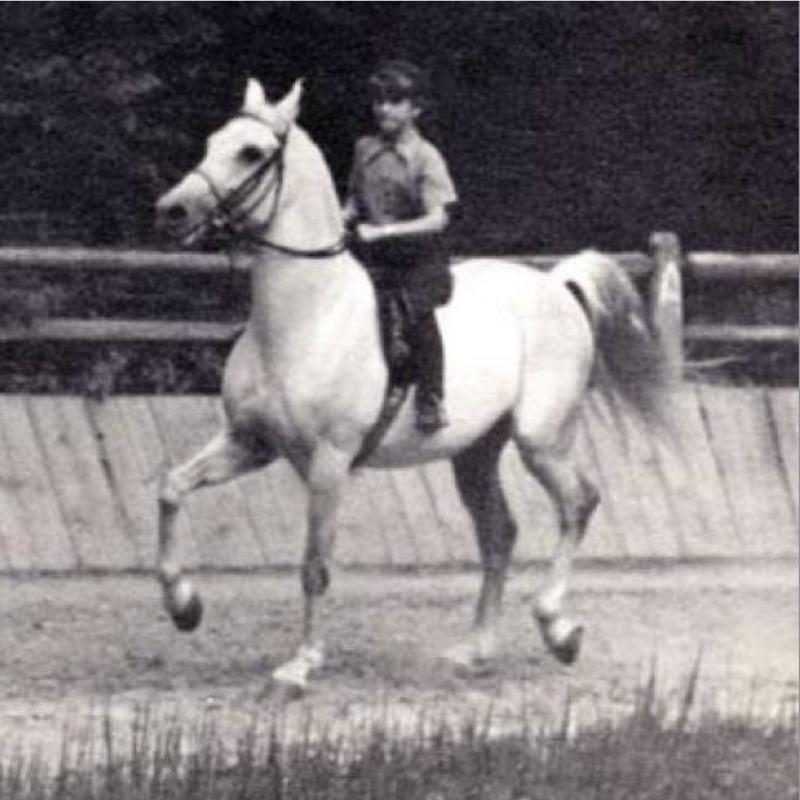
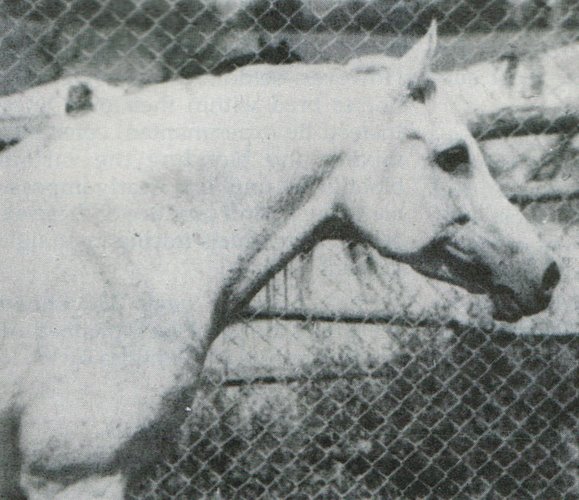
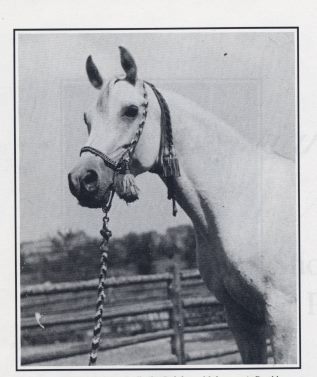
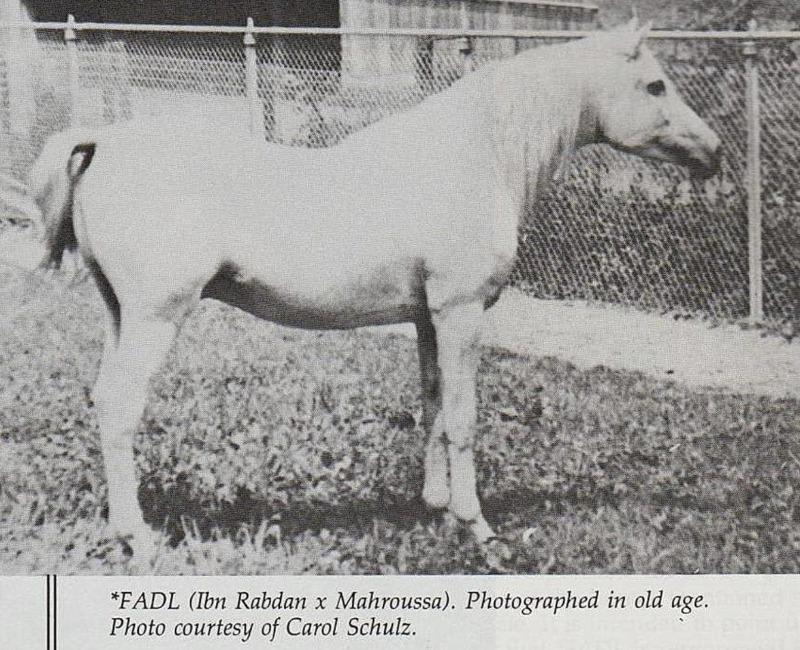
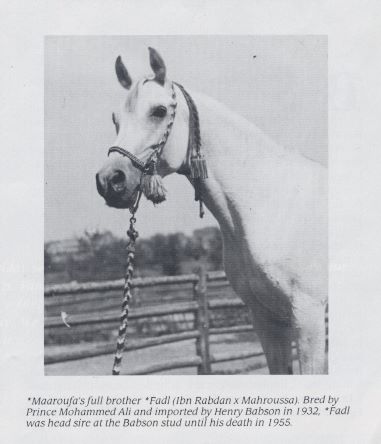
*Fadl
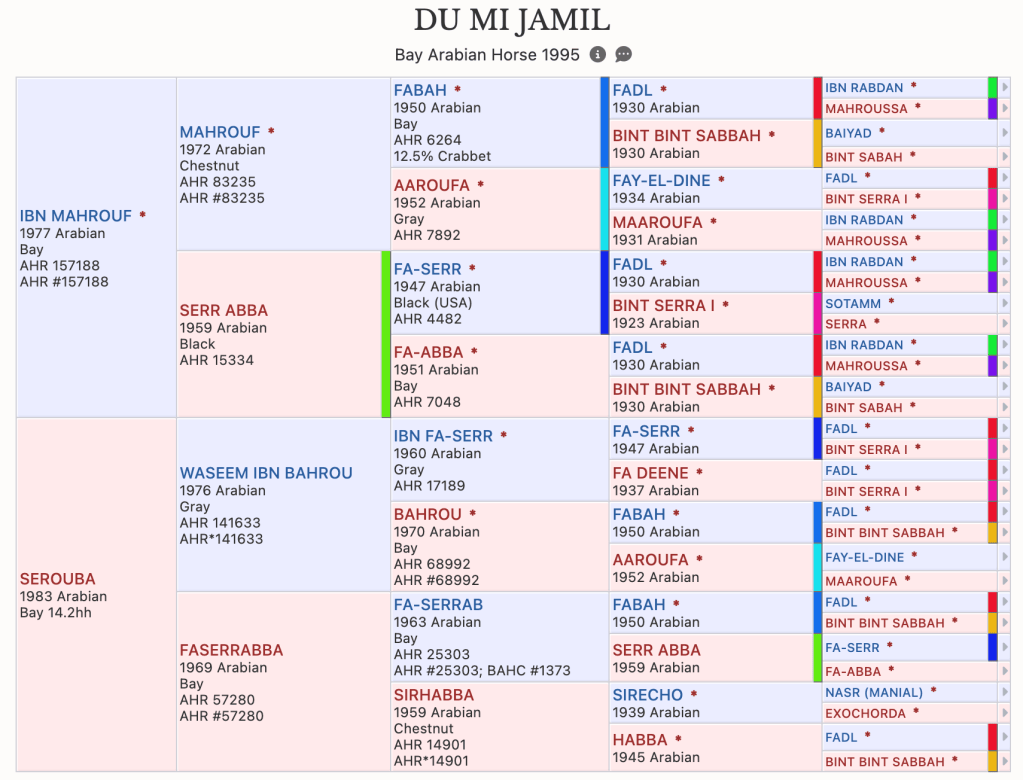
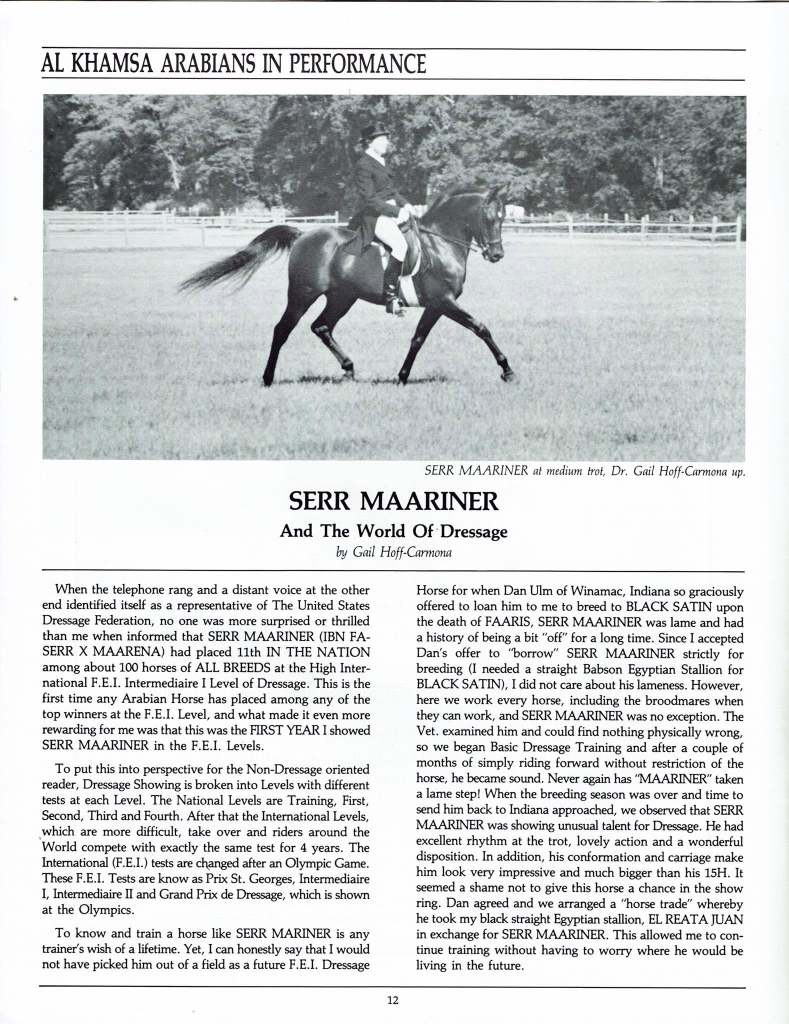
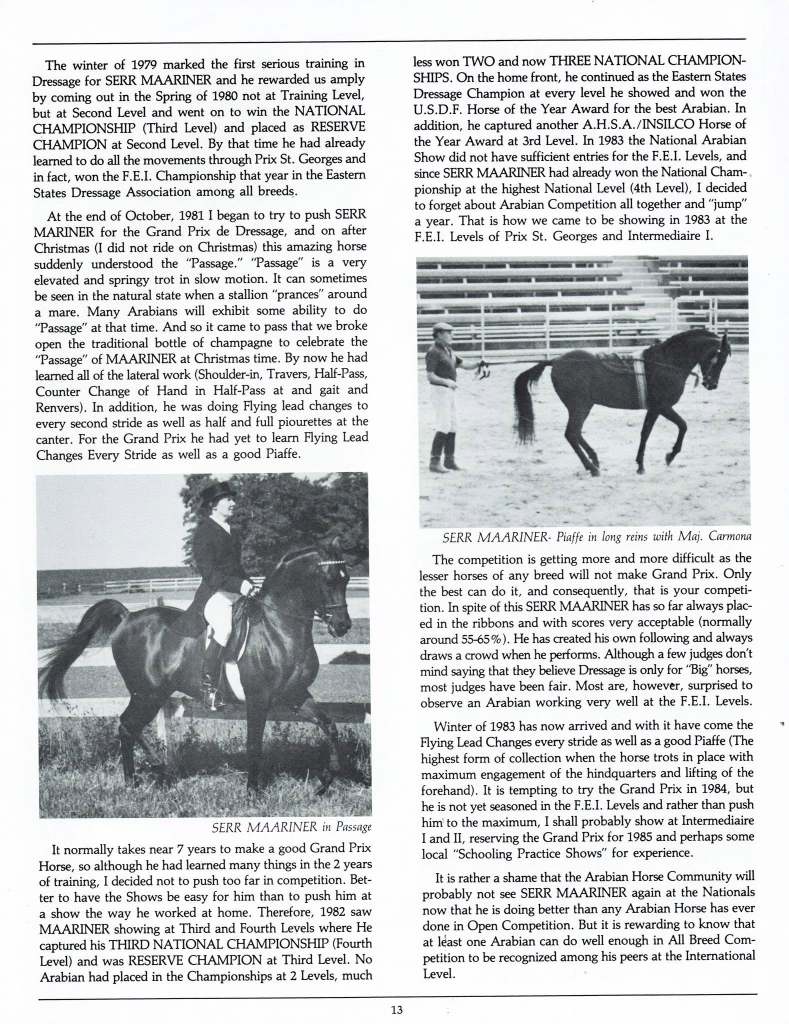
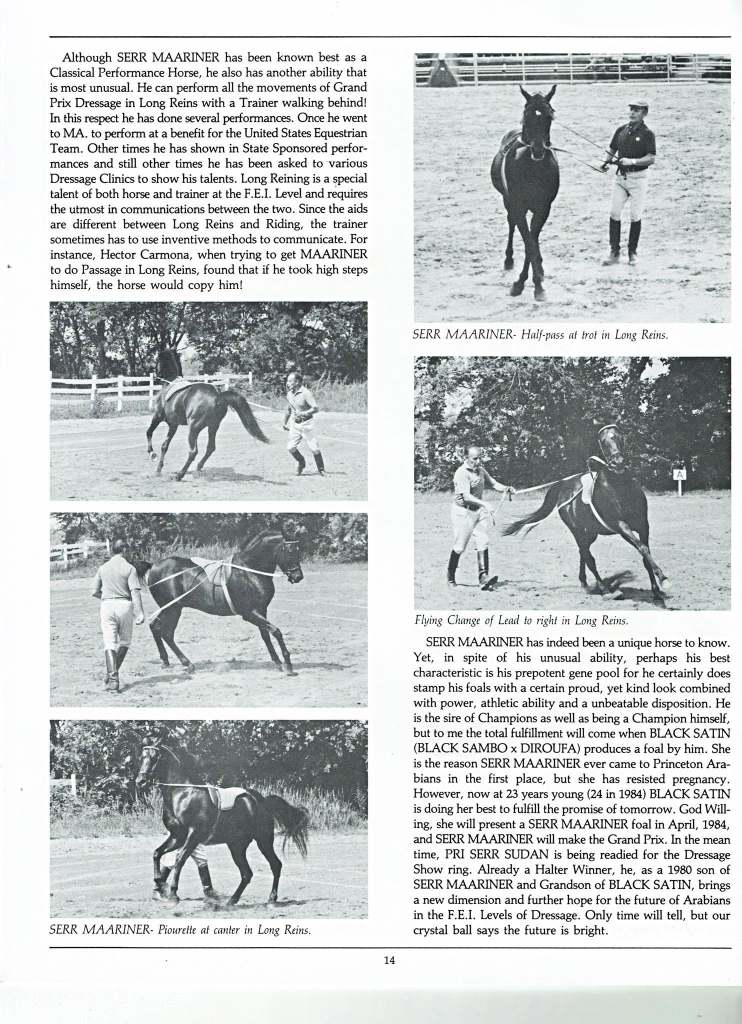
We see Serr Abba appear again in the pedigree of Serouba, the dam of DU Mi Jamil. Serr Abba was crossed with Fabah, a prolific champion-producing stallion in SBE breeding, to produce Fa-Serrab. While Fa-Serrab doesn’t boast a show record and was used primarily for breeding, his half-brother is the famous Serr Maariner, who was a three-time US National Dressage Champion and a USDF “Horse of the Year” across all breeds at the international level.
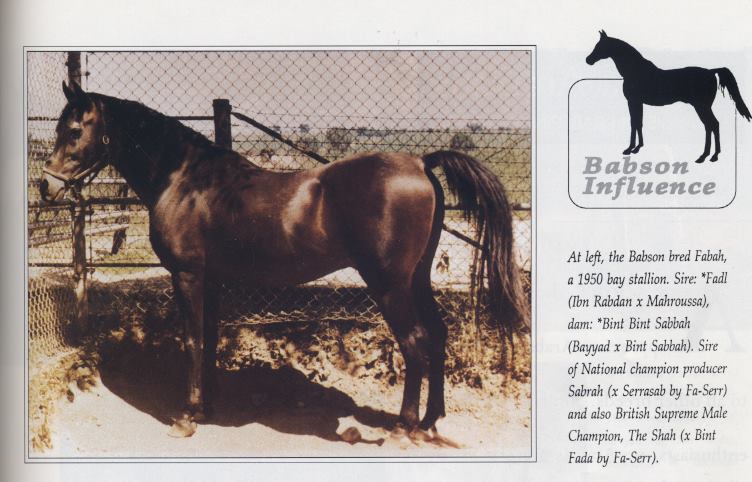
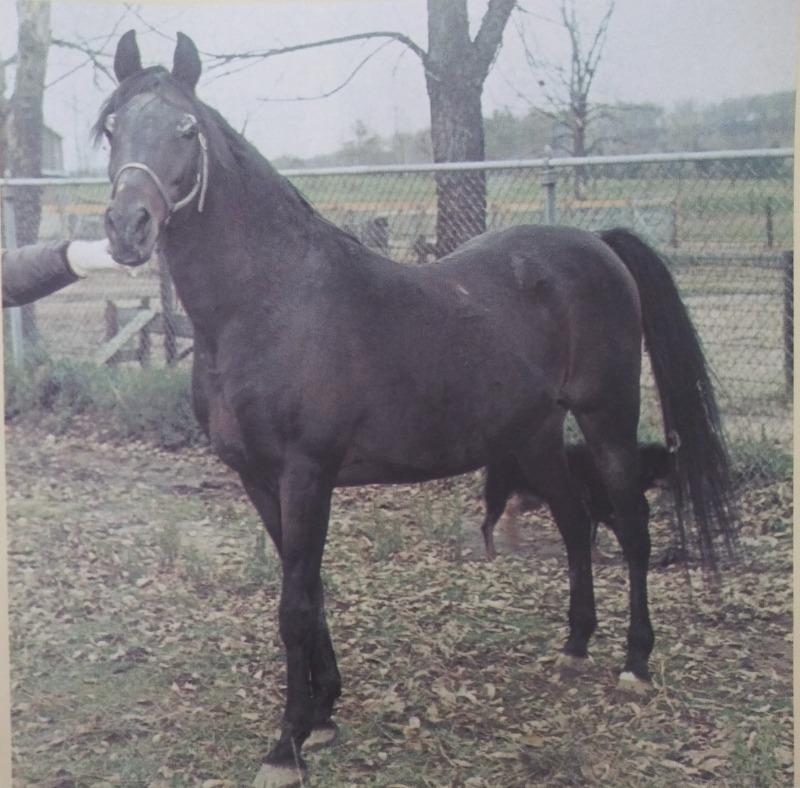
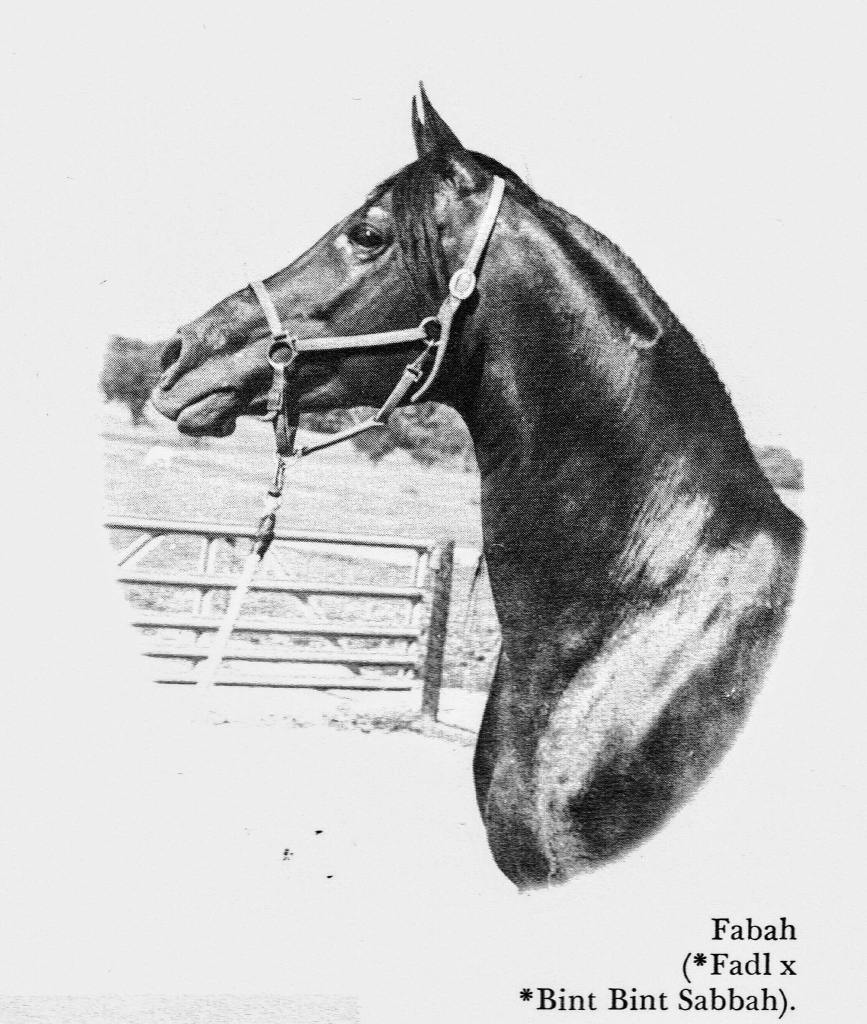
Fabah
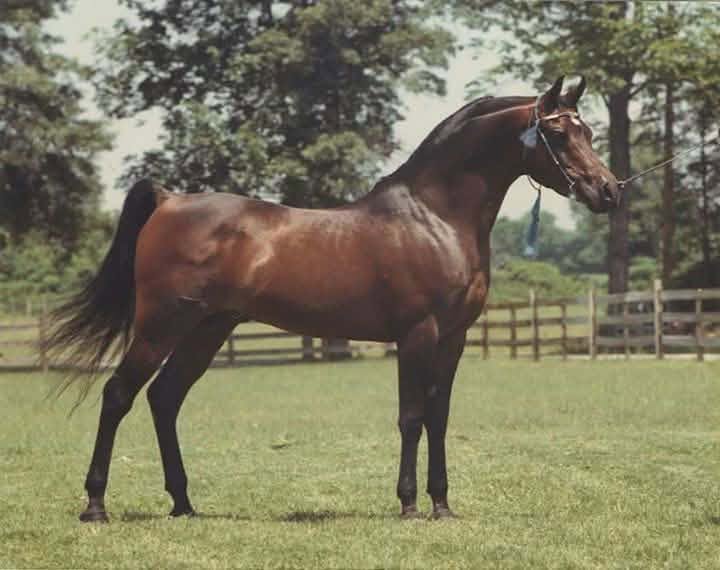
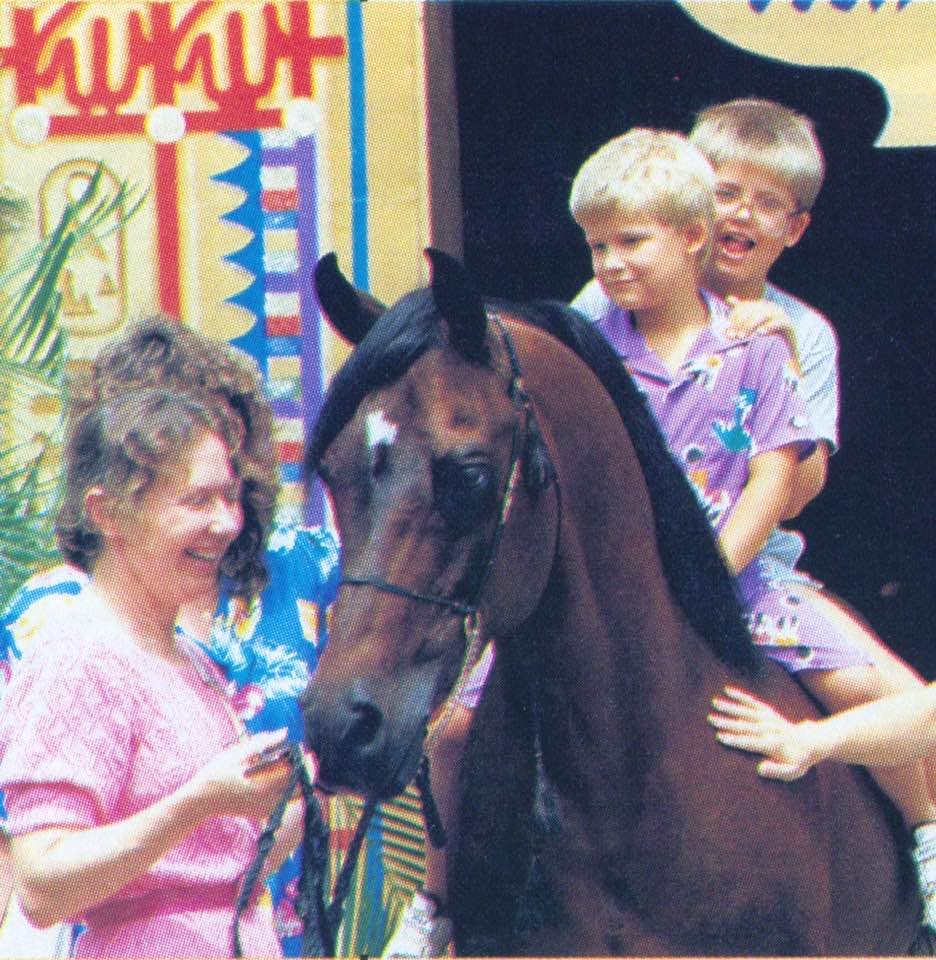
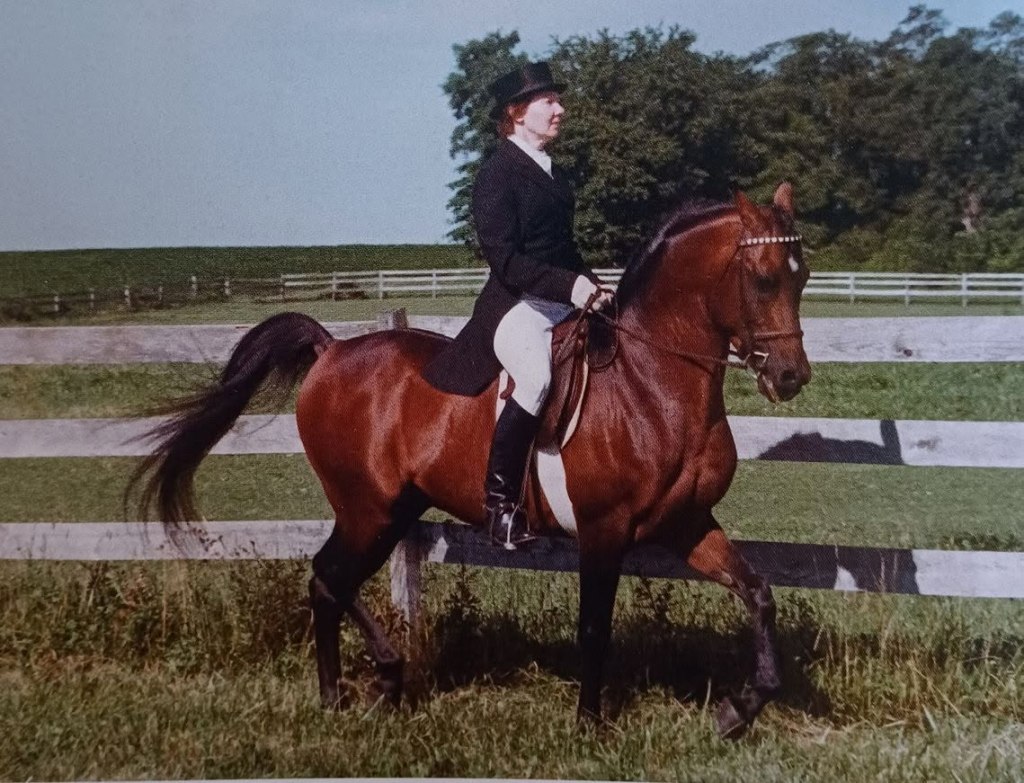
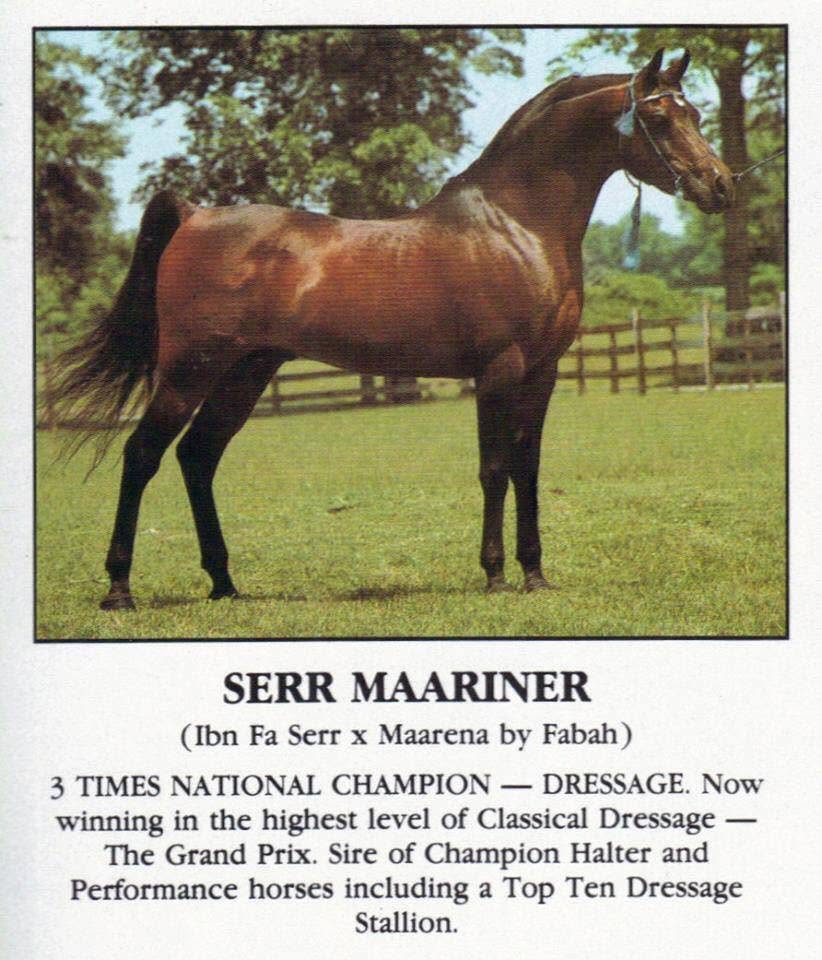
Serr Maariner
In 1985, Serr Maariner won the United States Dressage Federation Gold Medal. “The Gold Medal is awarded to riders who achieve scores of 60% or higher twice at the highest level of Dressage, the Grand Prix de Dressage. It normally takes 7 years to train a horse to the Grand Prix Level and even at that only about 1% of horses can perform all the movements required at the Grand Prix Level. Fewer still can perform of the quality necessary to achieve a score of 60% or higher. Since 1974, when the program began, there have been a total of 26 riders to earn the Gold Medal in the United States and the Al Khamsa Arabian who achieved this was SERR MAARINER (IBN FA-SERR x MAARENA by FABAH) trained and ridden by Gail Hoff-Carmona. SERR MAARINER began his Dressage career in 1980 at age 10 and in just 5 years he achieved the Gold Medal.”
Andrea Kaiser
When crossed with Fa-Serrab, Sirhalima produced Faserrabba, a Babson/Sirecho mare who provides the only source of this highly-prized blend to DU Mi Jamil.. Faserrabba was owned by Floyd Reid, who purchased her dam Sirhabba in foal to Fa-Serrab, with Faserrabba resulting a few months afterwards. Reid then crossed Sirhabba twice with Ansata Ibn Halima which resulted in producing a daughter Sirhalima, who was later sold to Bentwood Farms, as well as the stallion AK Sirhalima (also known as AK Karim Sirhalima) who was exported to Australia. AK Sirhalima’s influence is prolific due the the international, world-wide success of his offspring.
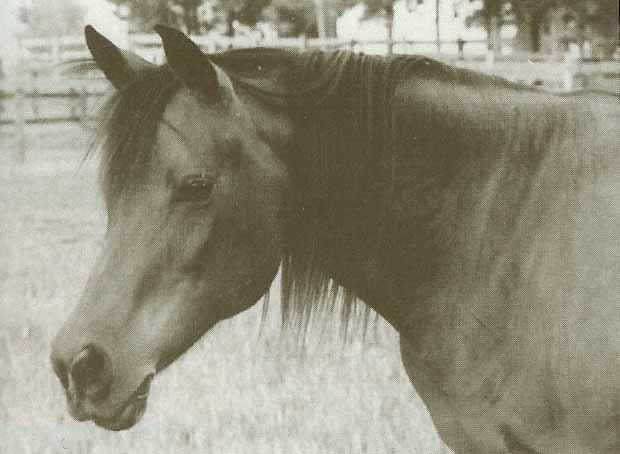
Faserrabba
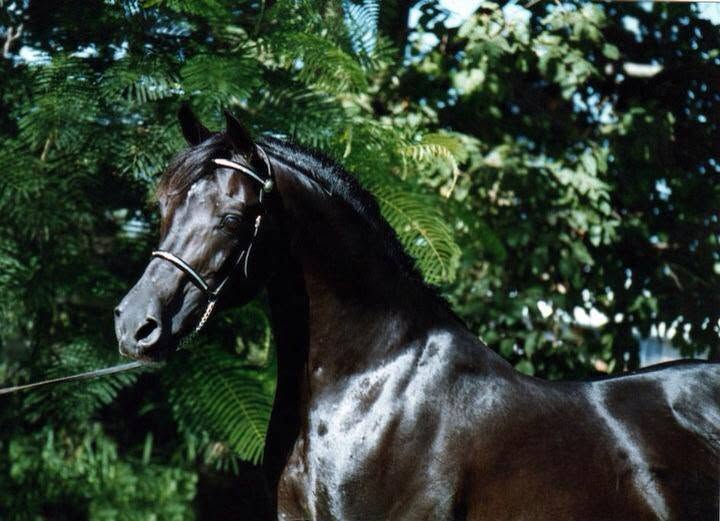
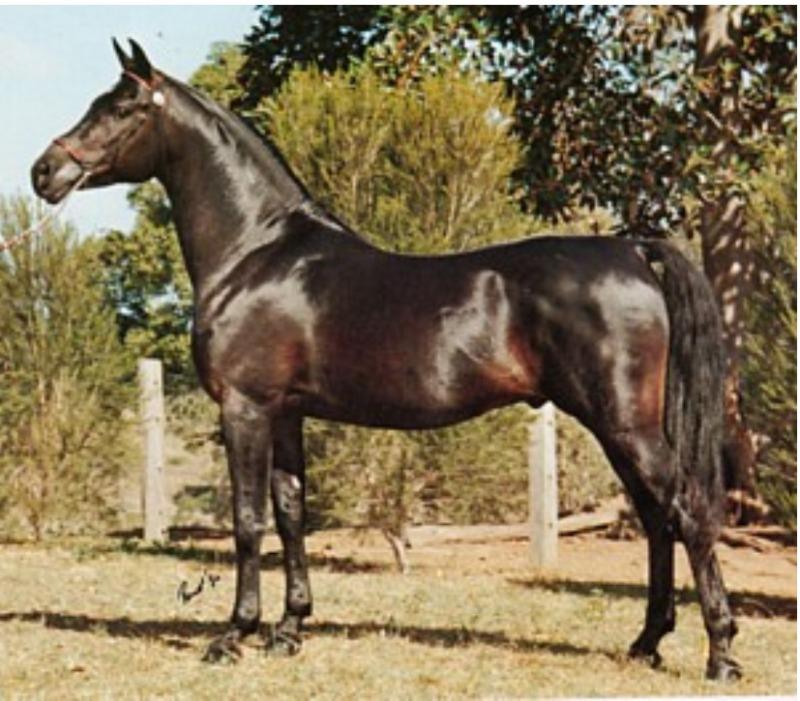
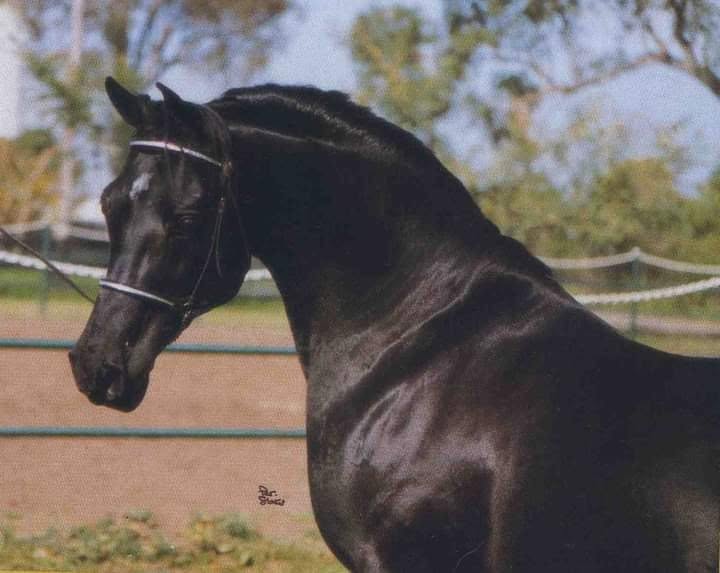
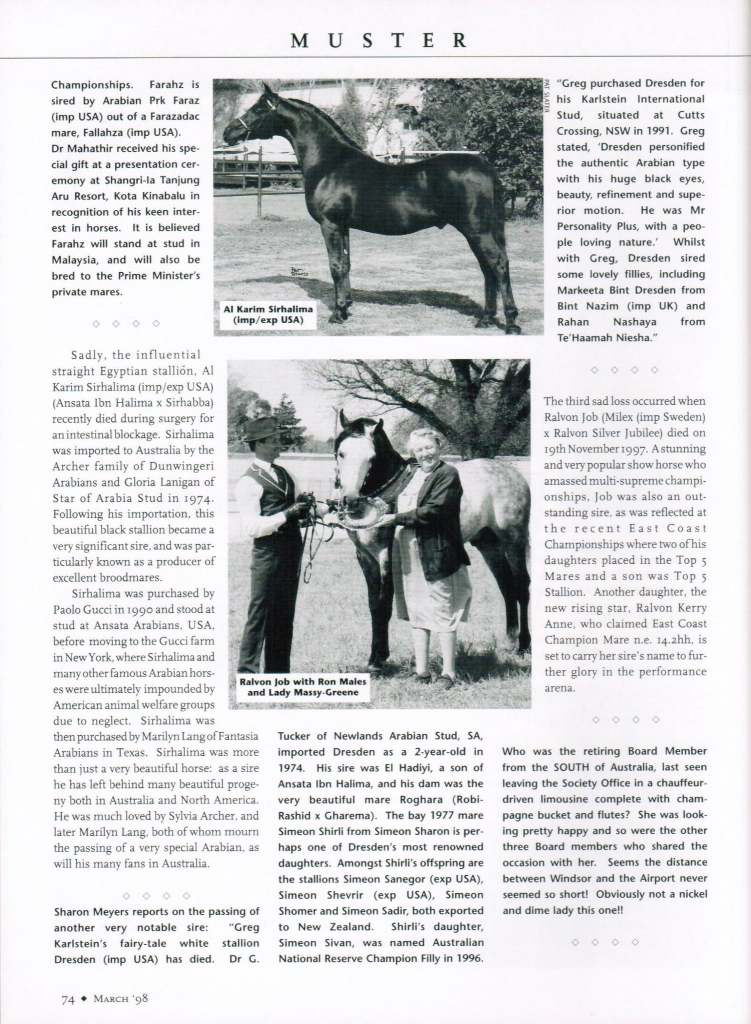
AK Sirhalima
Faserrabba was bred to Waseem Ibn Bahrou, resulting in Serouba (DU Mi Jamil’s dam) who is described by Alice Ulm as “having a lot of style.” Waseem Ibn Bahrou was an Ibn Fa-Serr son out of the mare Bahrou. Unfortunately, I’m unable to find out much information about him.
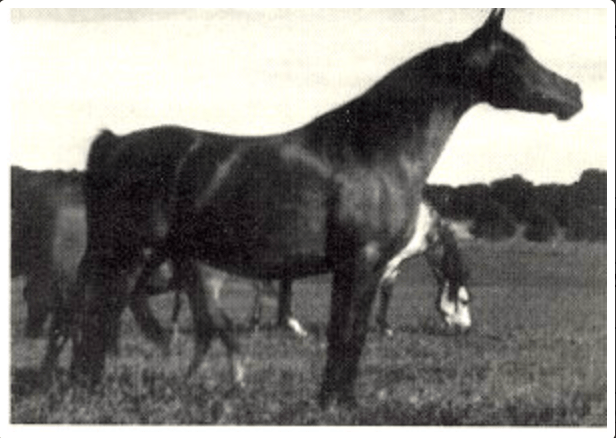
Bahrou
Faserrabba’s legacy is also carried forward through her daughter Fa Sherifaa (by Ansata El Sherif), a highly prized Sheyk Obeyd mare who produced winning performance stallions as well as competed in some endurance herself. Her son Sir Habbas Pasha was Top Ten in Western Pleasure Championship Open, Native Costume Open, and Liberty Class Finals at the 2003 Egyptian Event. He also won Reserve Champion in Native Costume Championship Open there. In 2003 & 2004, he also competed in Western Pleasure, Hunter Pleasure, and Reining at various Region 9 shows. Another Fa Sherifaa son, Fa Halii Halim also placed Top Ten in the 2003 Egyptian Event in the World Class Stallions 4-5 Years Old, Liberty Class Finals, and Hunter Pleasure Junior Horse classes.
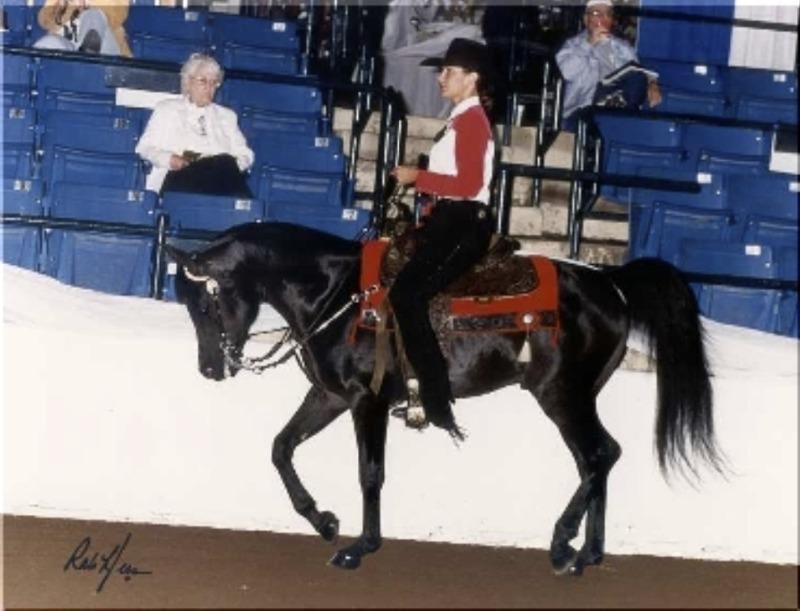
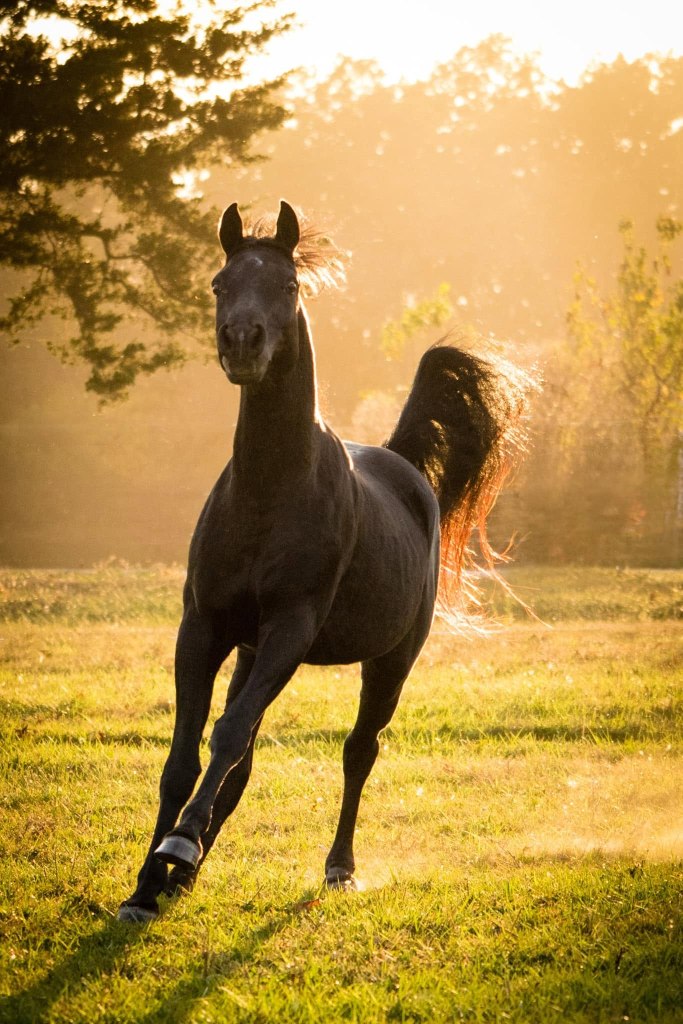
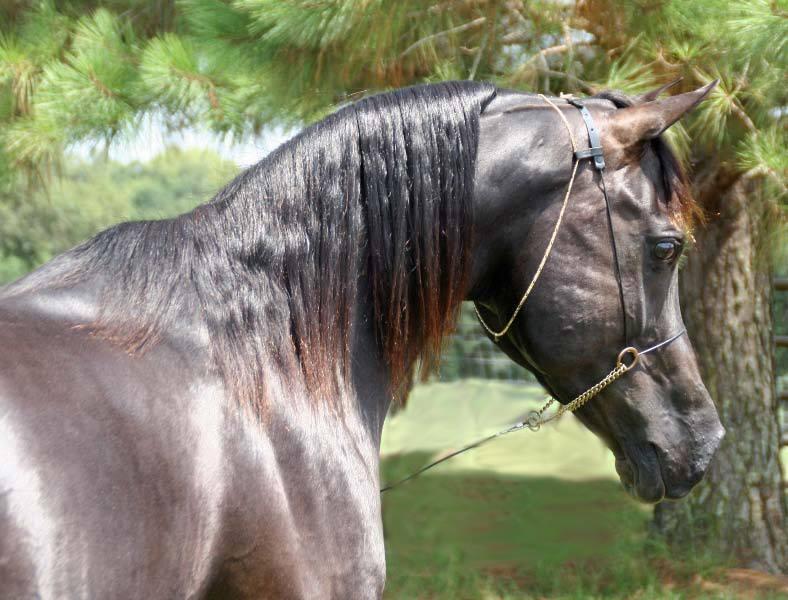
Sir Habbas Pasha – his legacy continues at West Creek Arabians in Missouri
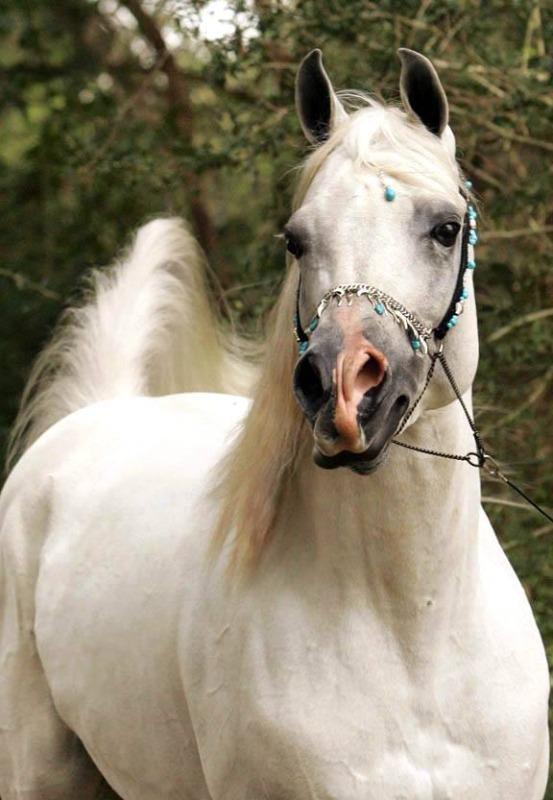
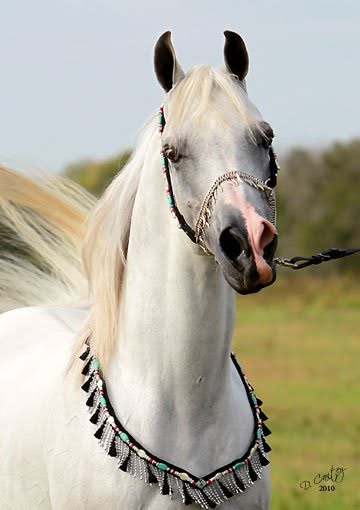
Fa Halii Halim
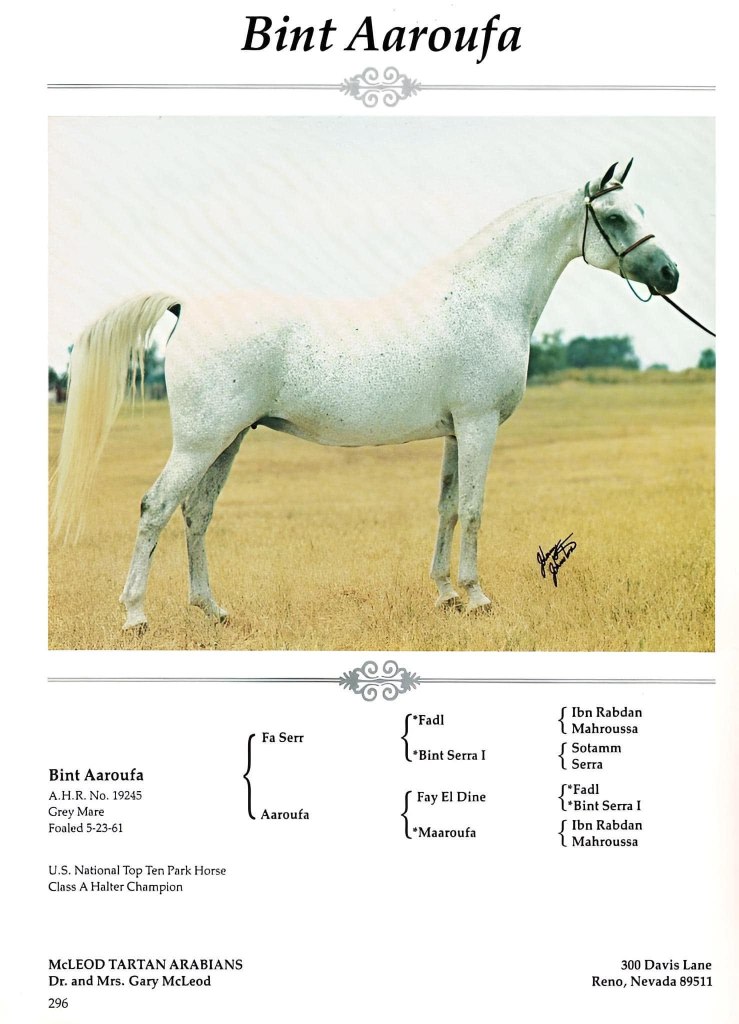
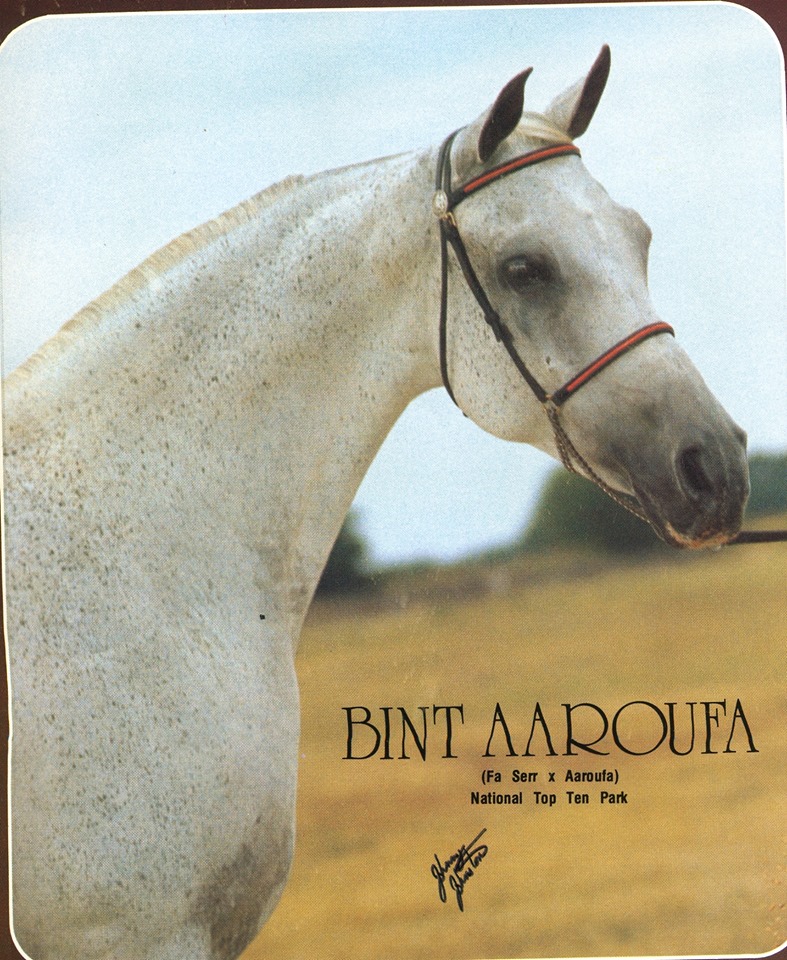
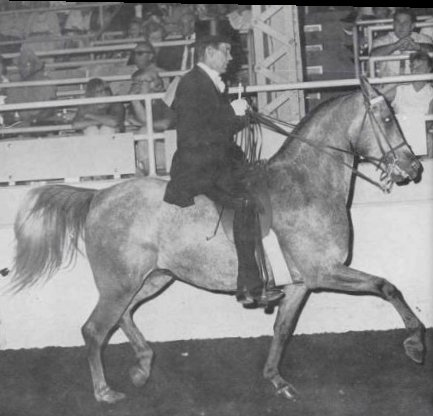
Other notable horses in Halimah CW’s sire line include Aaroufa, who produced Bint Aaroufa, a mare who’s offspring went on to have notable show careers including dressage, park, halter, and as previously mentioned, the success of her son Mahrouf. Aaroufa was known to be rather prepotent herself and produced icons when crossed with Fa-Serr, who is generally thought to contribute a stockier/sturdy type.
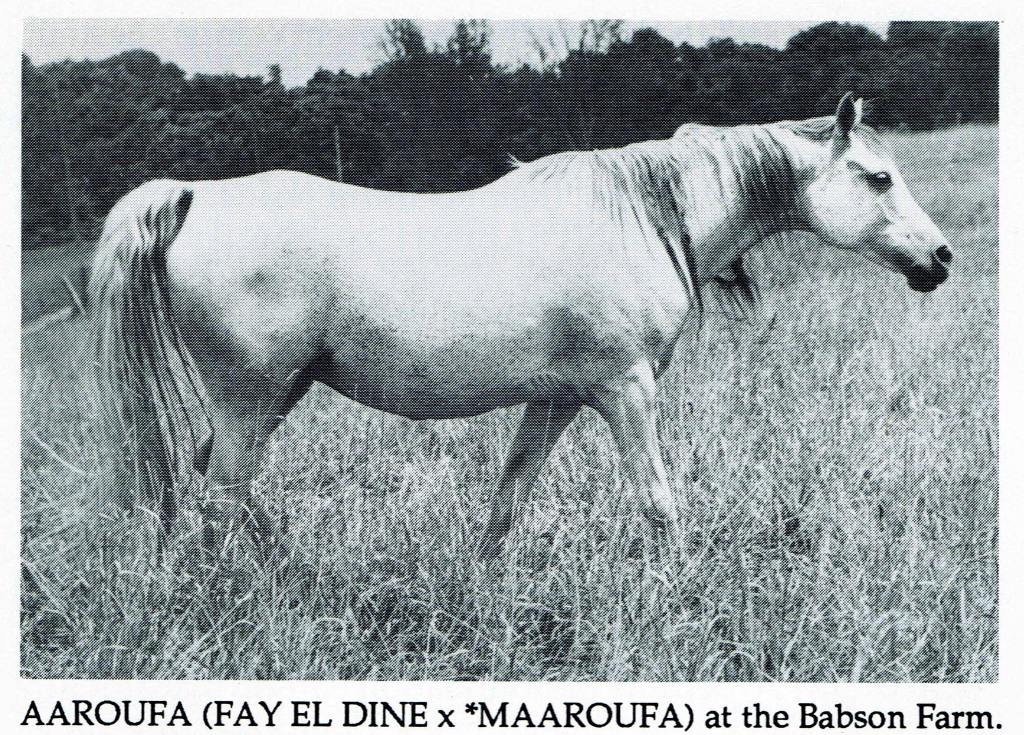
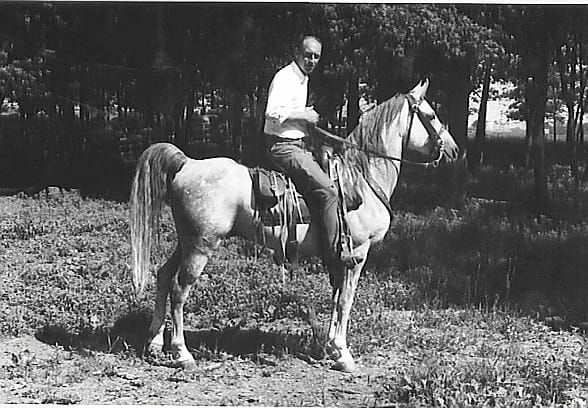
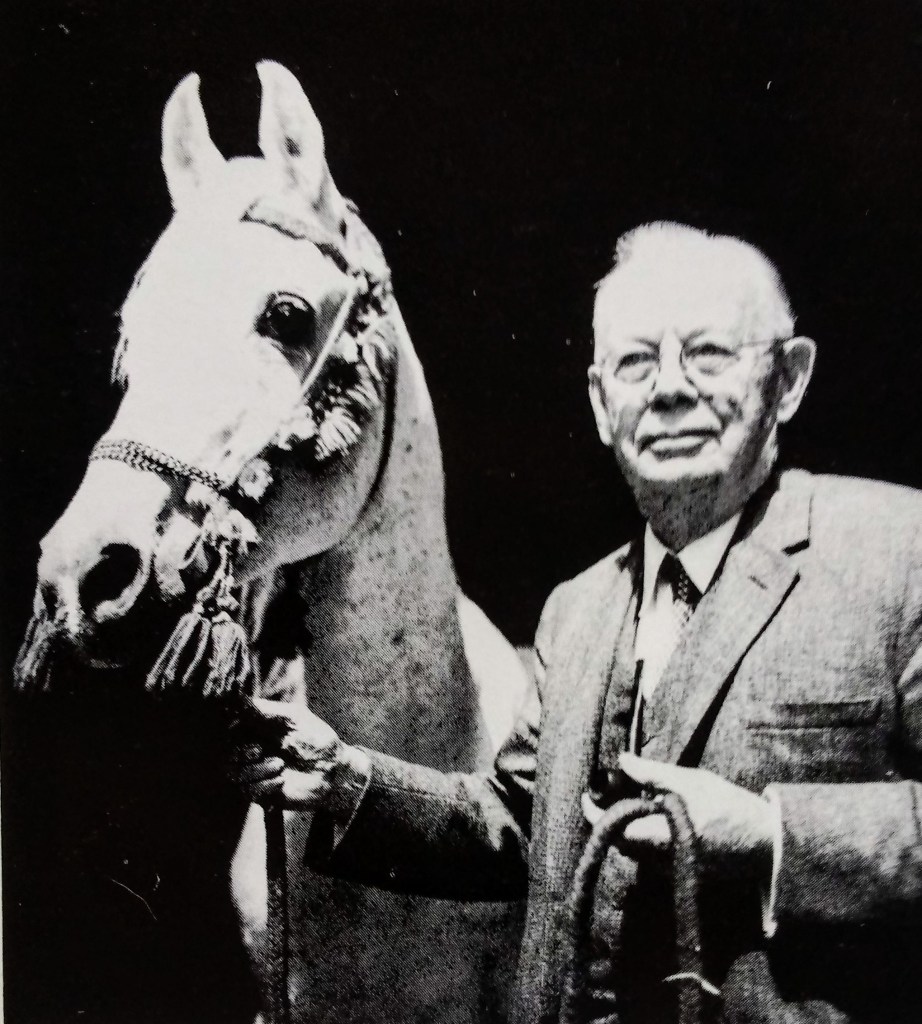
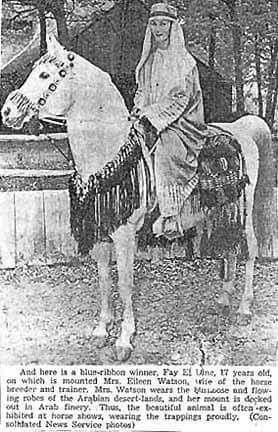
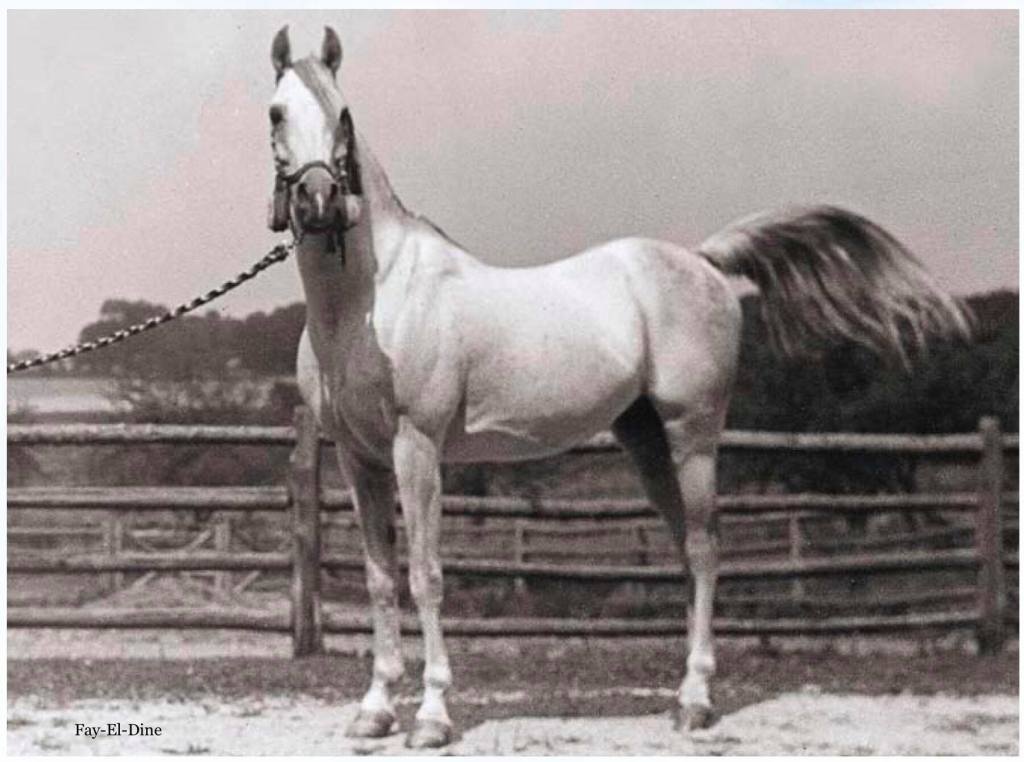
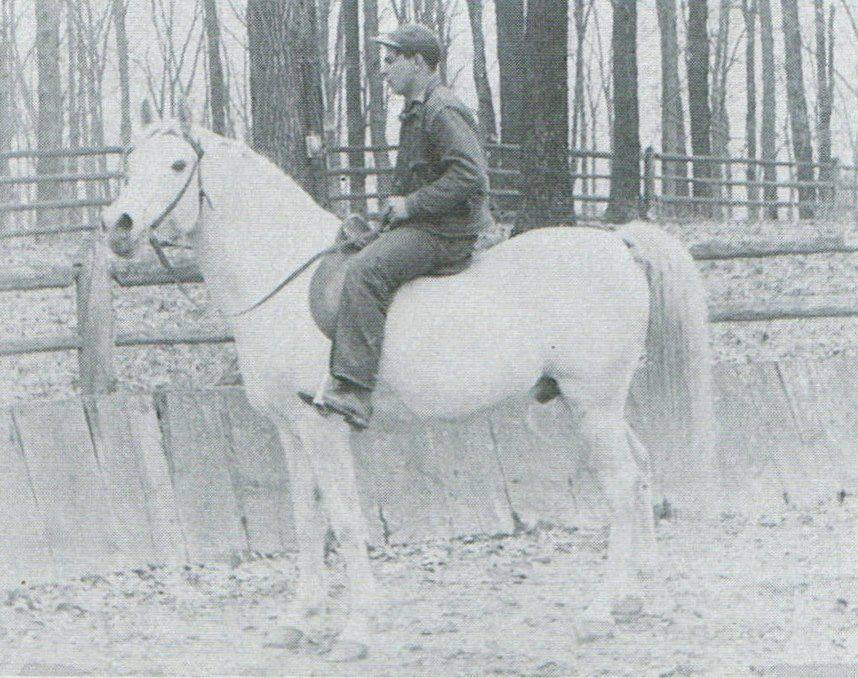
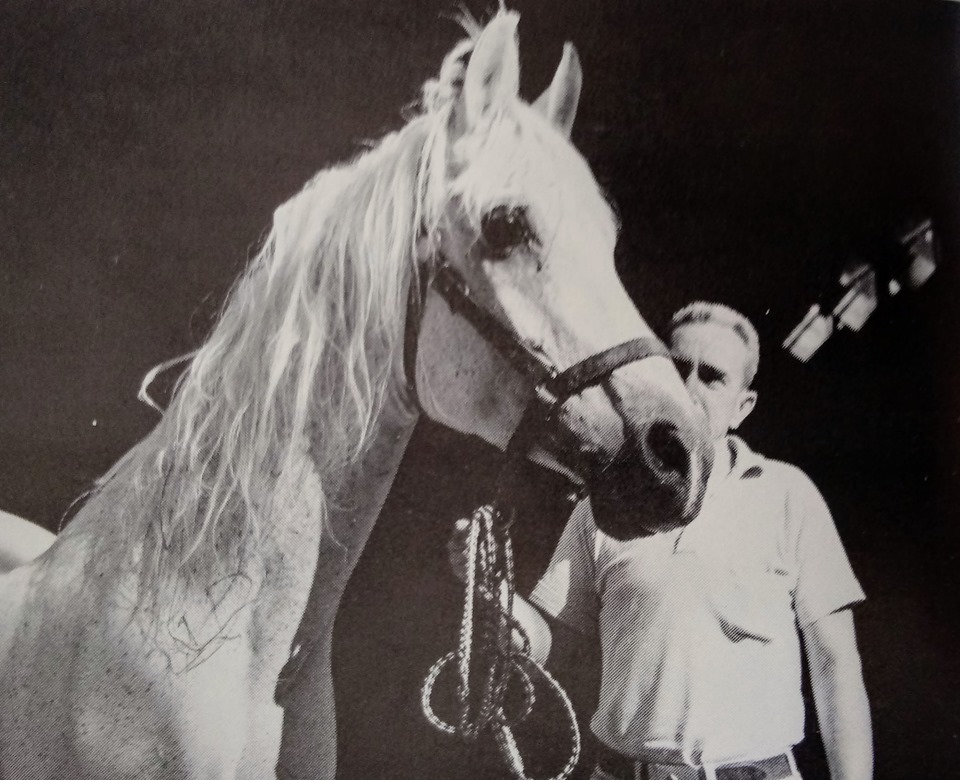
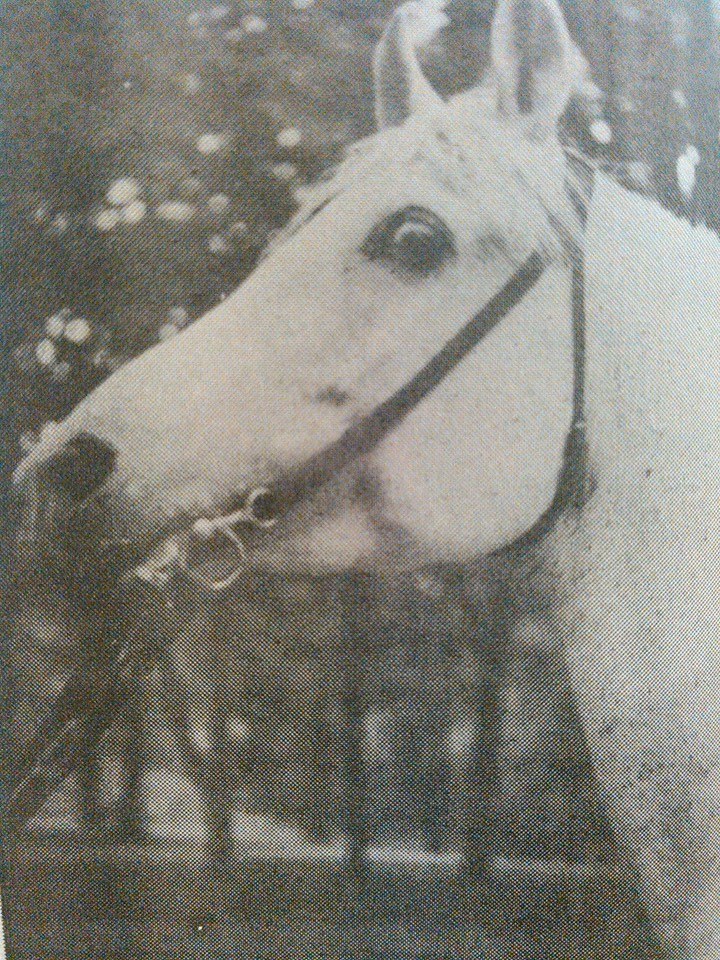
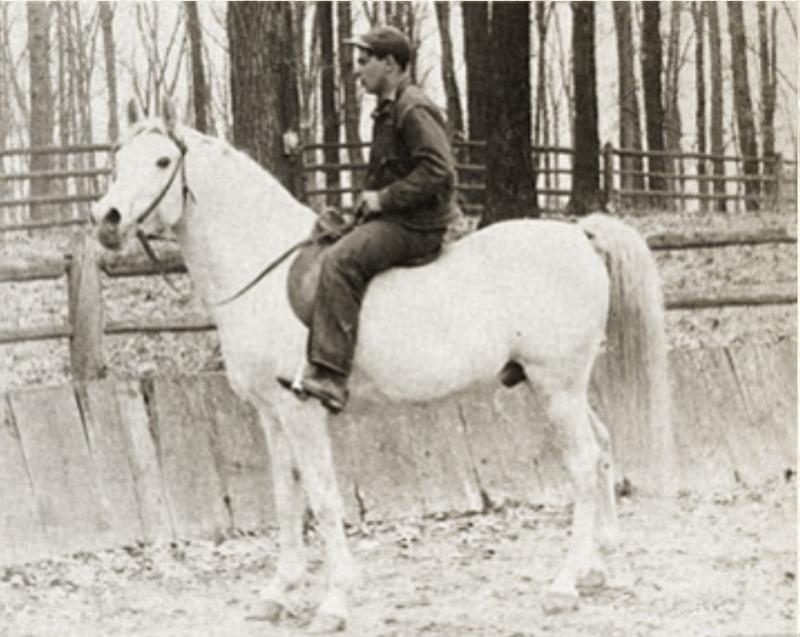
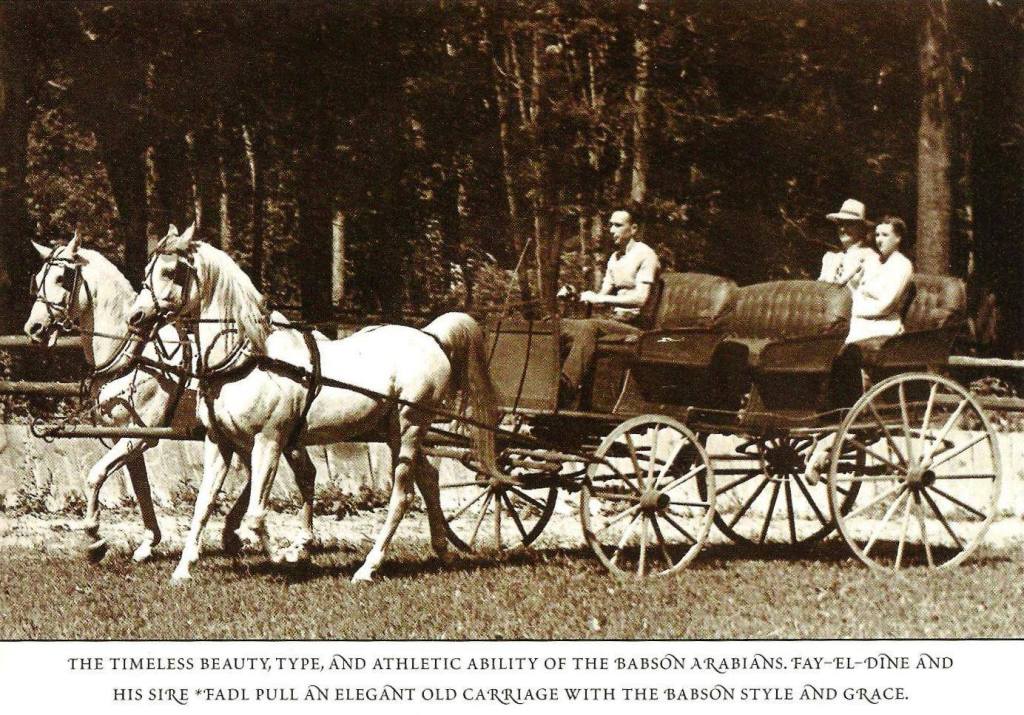
Aaroufa’s sire Fay-El-Dine was the first foal ever bred by Henry Babson, and became a sire of 55 foals himself, of which 10 went on to produce distinct National Winners. Fay-El-Dine is credited with producing leggier-type foals with elegance and fluidity. He is also a broodmare-sire, with 35 of his 55 foals being fillies, and many continuing on to be excellent and refined producers themselves. His crossing with *Maaroufa became known as a legendary nick within Babson Egyptian breeding.
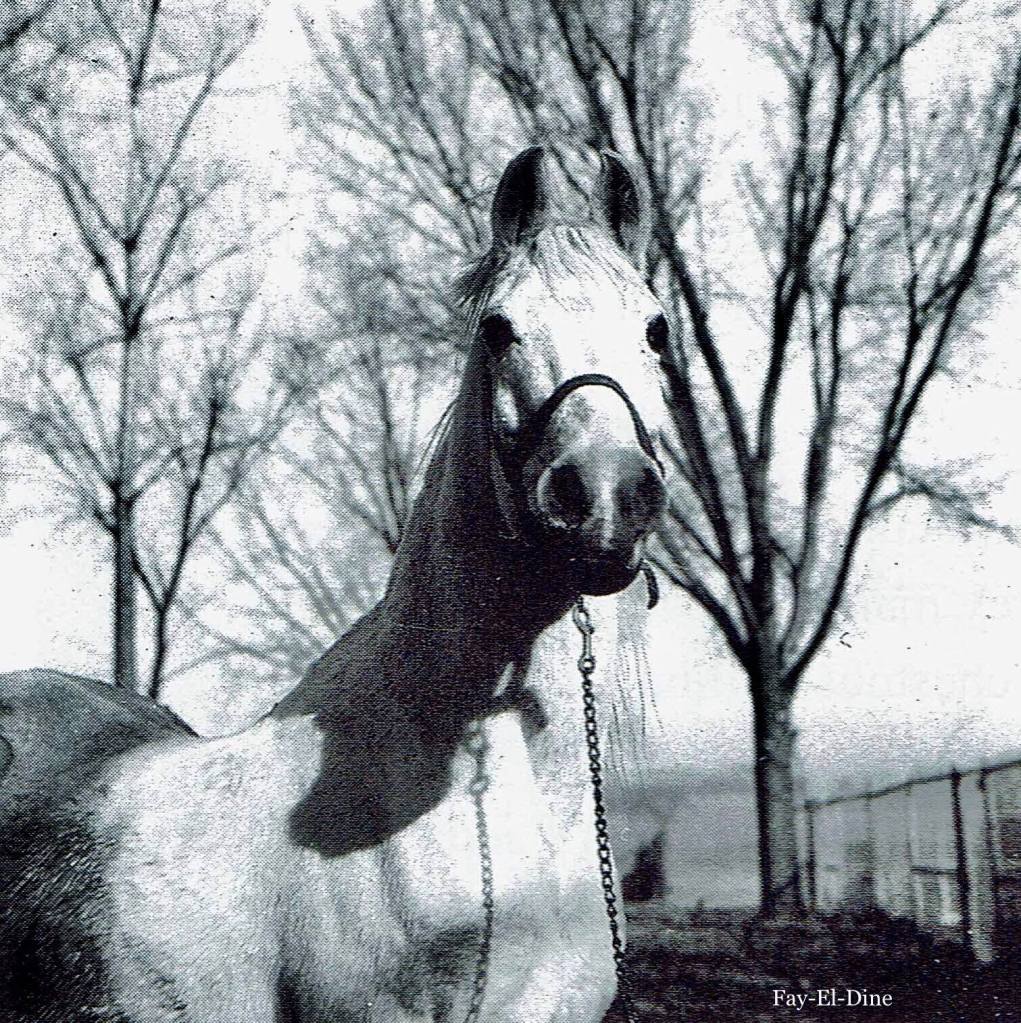
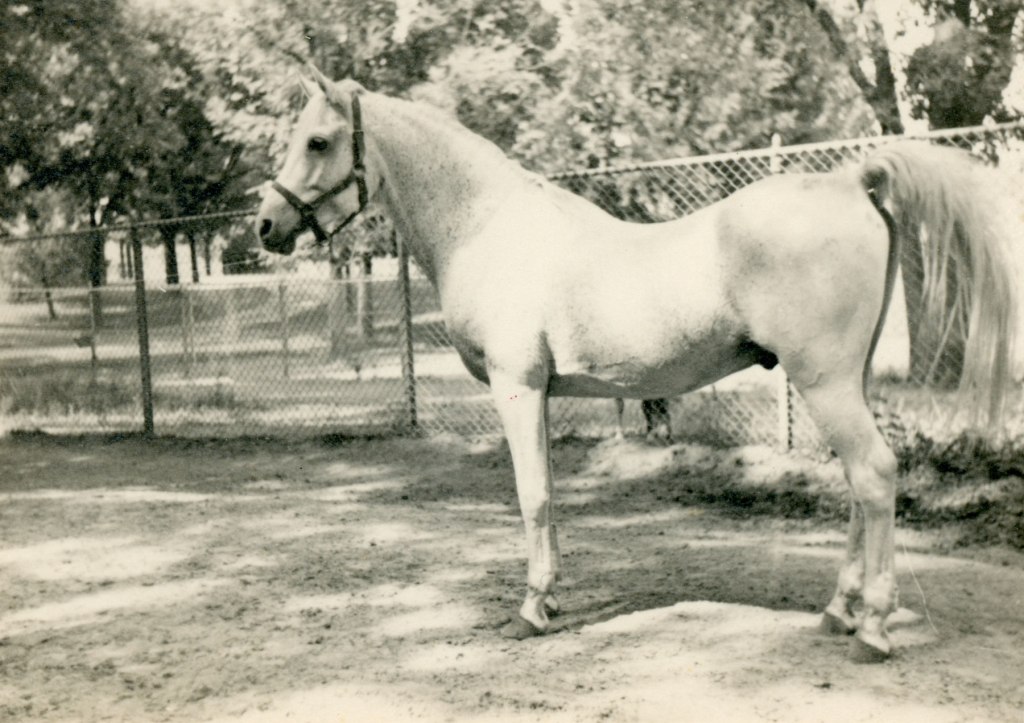
Fay-El-Dine
After studying the history and influence of the Babson Egyptians, it’s no wonder that it is an asset in a pedigree. I look forward to adding more of this breeding into the herd here at DHA.
And as if we couldn’t appreciate Babson breeding more, Halimah also has a little bit on her dam side as well. Her maternal granddam Kejan Fantaisha was sired by Bah Sab, a Fabah son out of the mare Serrasab, described (though I don’t know by who exactly) as: “probably 14.3 1/2 hh, solid build, muscular and well-rounded. She was very responsive and easily trained. She had a good head, with straight profile.” Bah Sab was bred by Floyd Reid who liked blending Fabah blood with Fa-Serr. It seems that Floyd Reid unwittingly contributed quite a lot to the pedigree of Halimah.
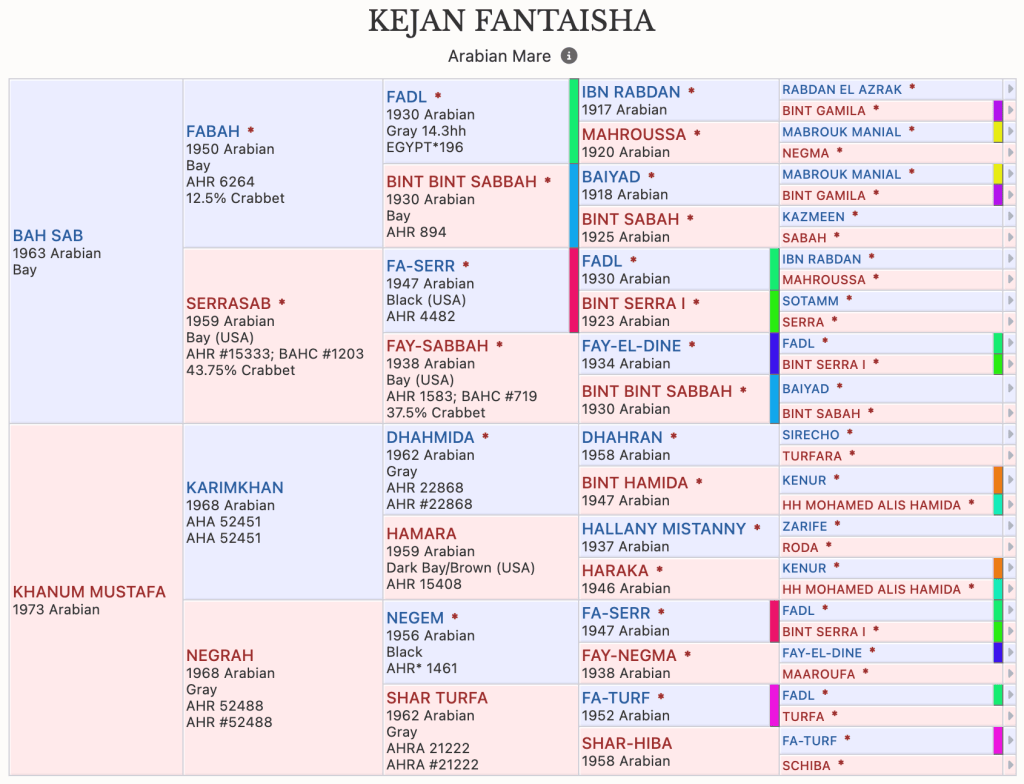
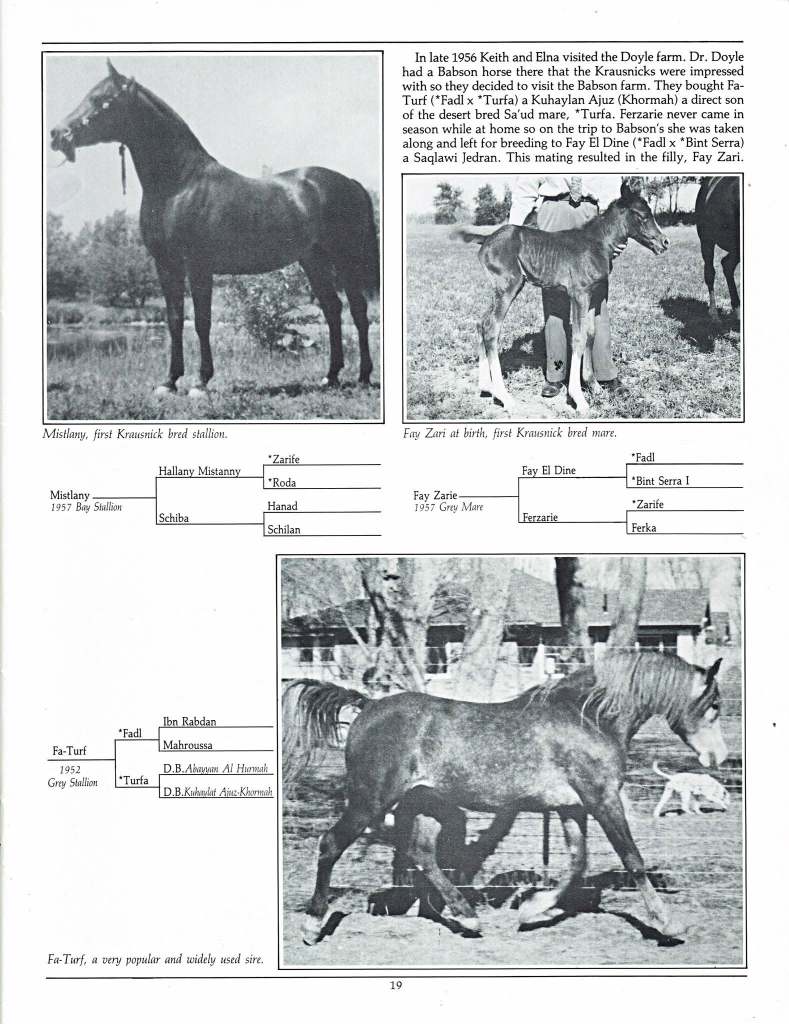
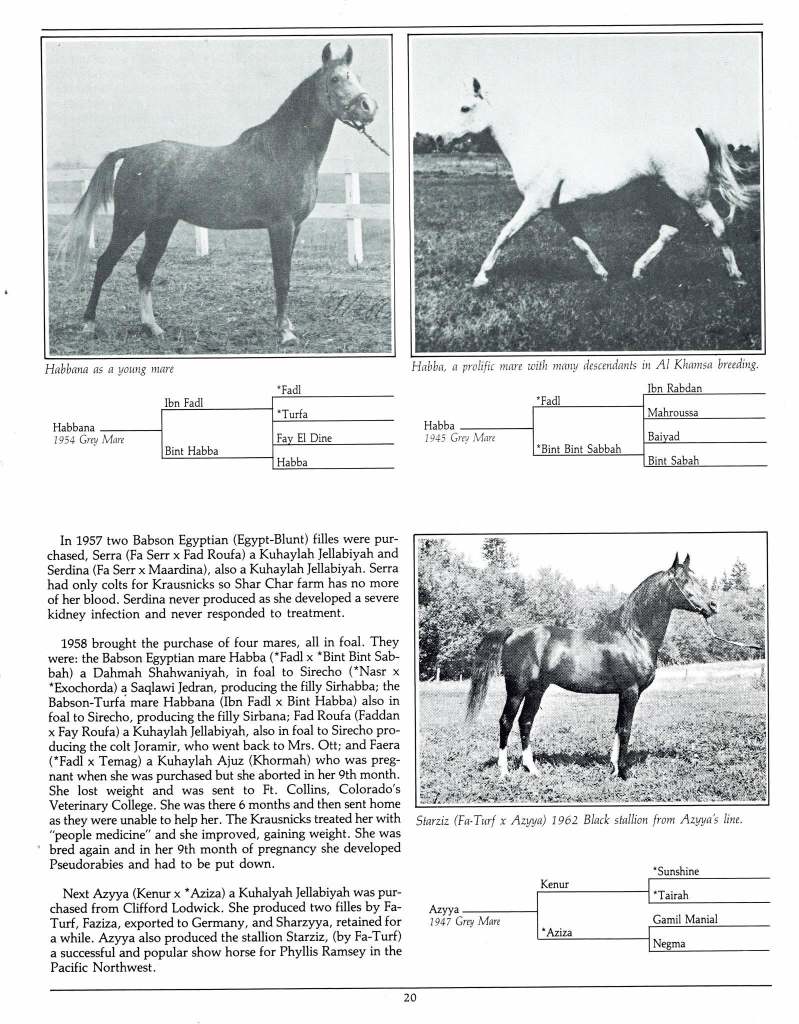
To produce Kejan Fantaisha, Bah Sab was crossed onto Khanum Mustafa, a Karimkhan daughter out of the Babson/*Turfa mare Negrah. Karimkhan was known as a “Sharp” stallion, meaning he had no Blunt breeding (horse’s descending from Lady Anne Blunt’s stock) in his pedigree. Karimkhan’s breeding blends Babson, Sirecho, *Turfa ( a Saudi Arabian mare imported by Homer Davenport), as well as the early American imports of Albert Harris purchased from the Sa-ud family of modern-day Saudi Arabia (*Sunshine, *Tairah, *Nufoud), horses that were imported by W. R. Brown before the Great Depression forced the sale of his stud Mayensboro in 1933 (*H. H. Mohamed Ali’s Hamida and *Roda), and horses imported, bred, and bought by General Dickinson of Traveler’s Rest stud in Tennessee when Mayensboro dispersed (*Zarife and Haraka).
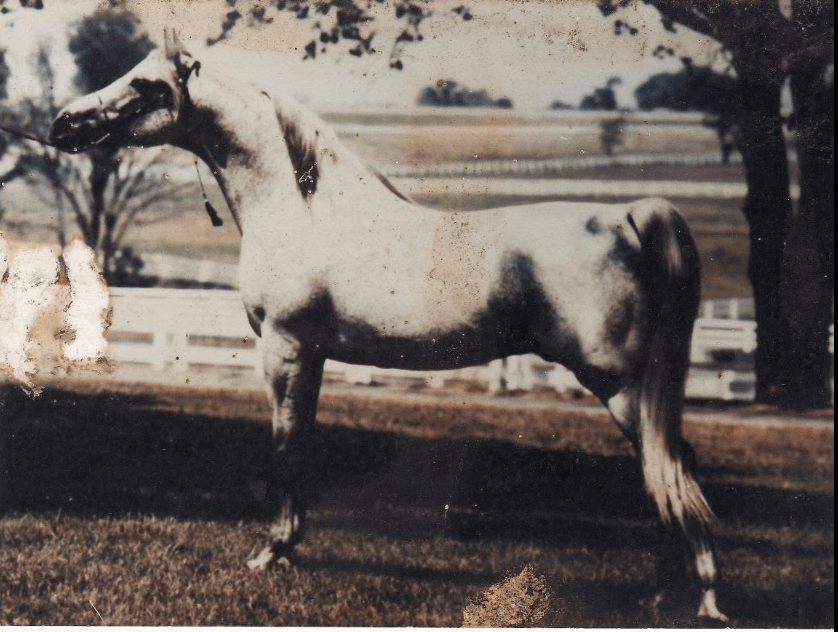
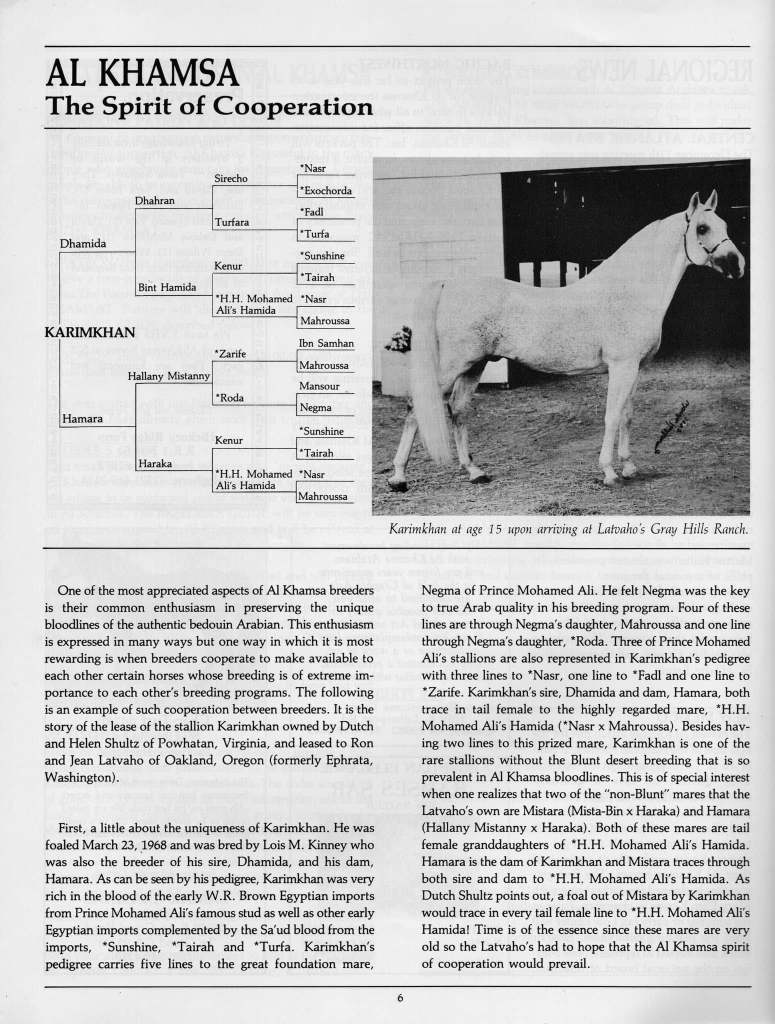
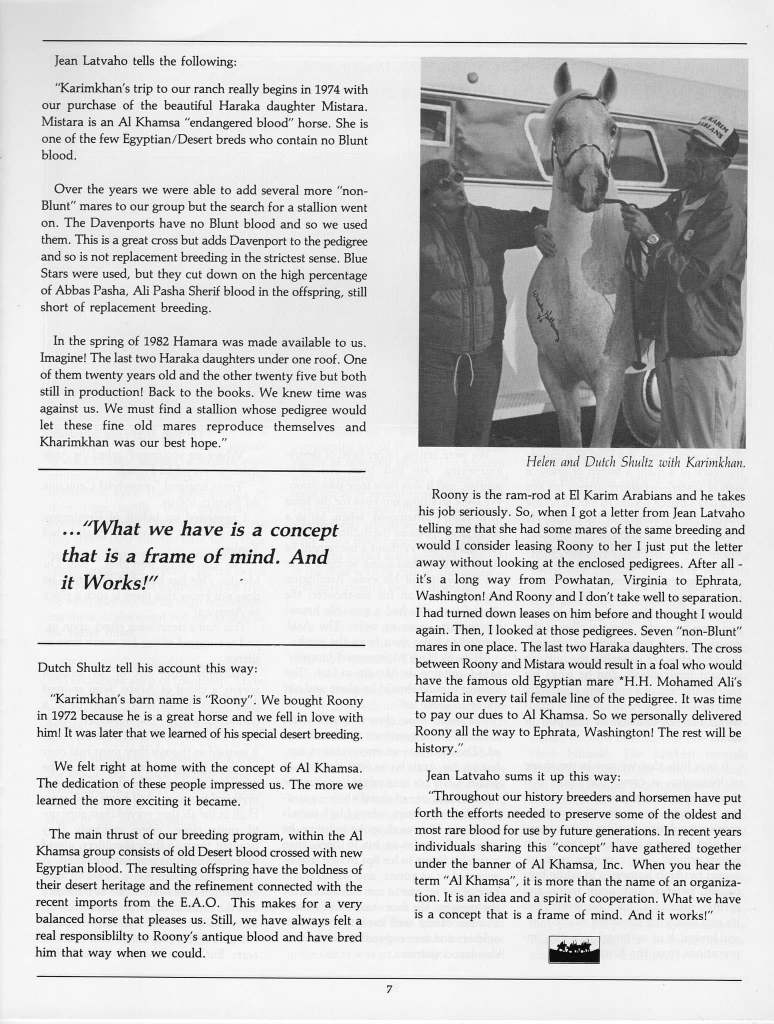
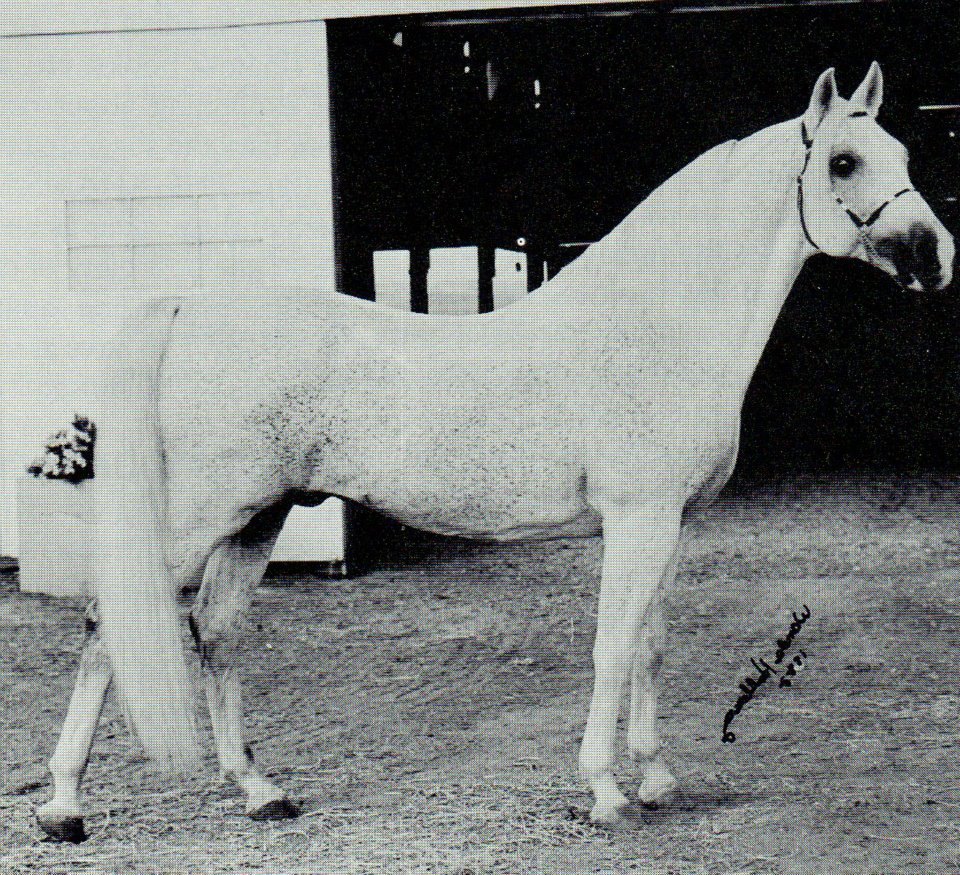
Karimkhan
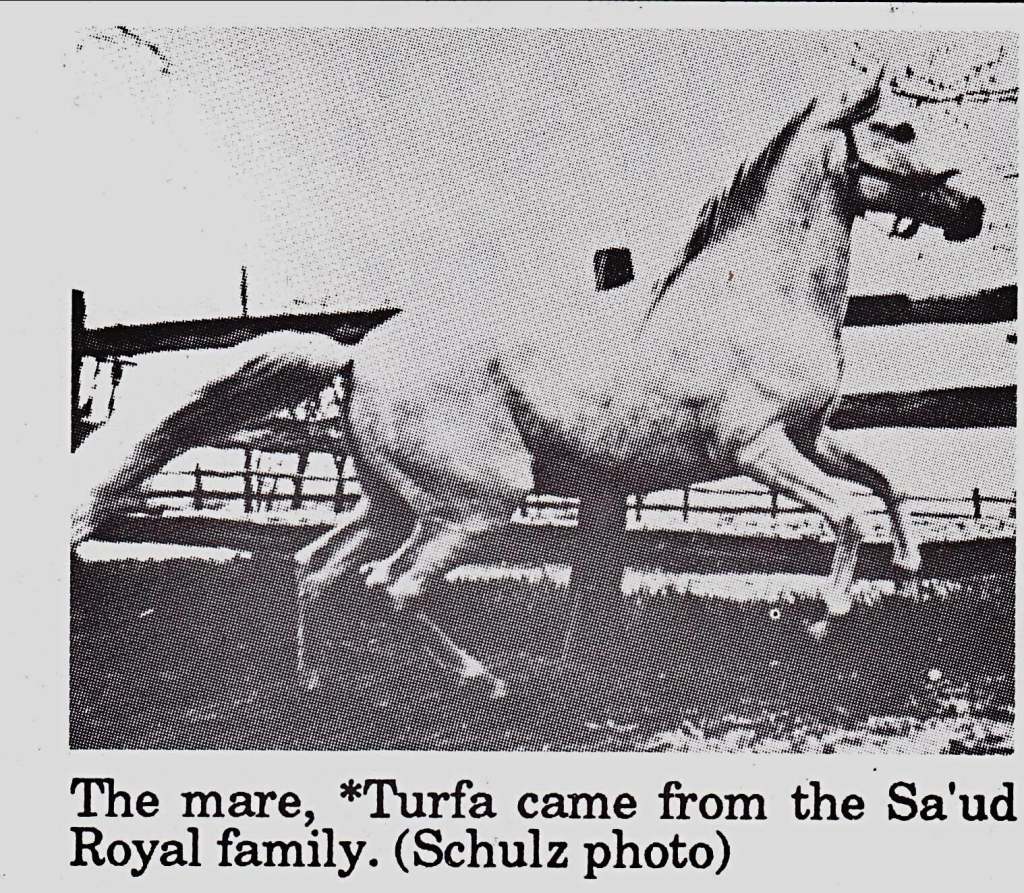
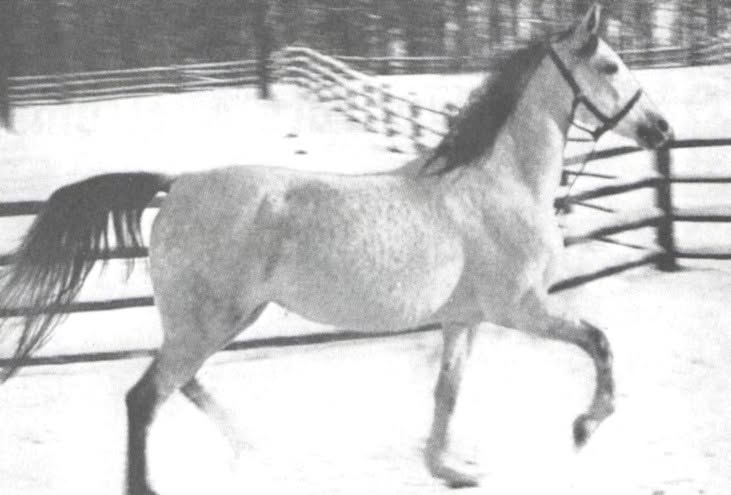
Turfa
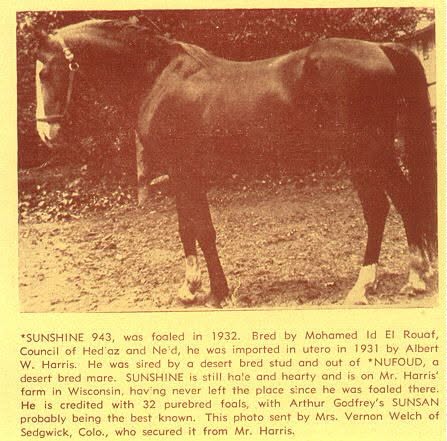
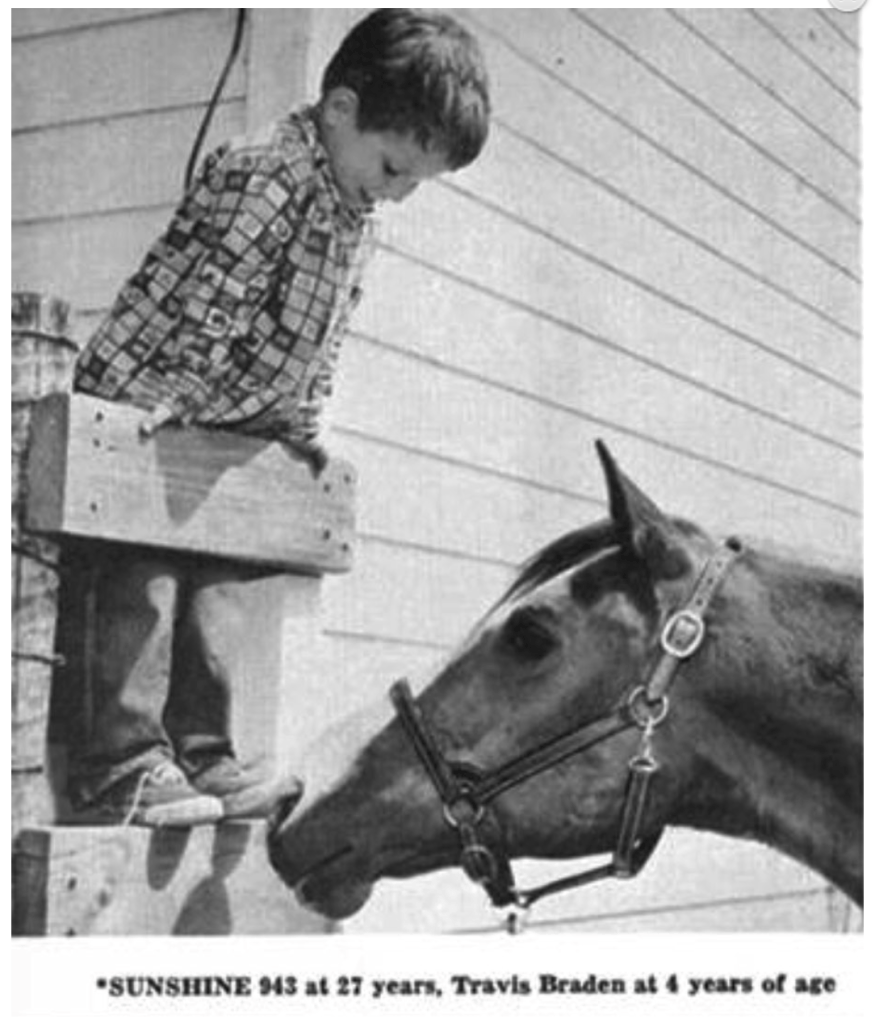
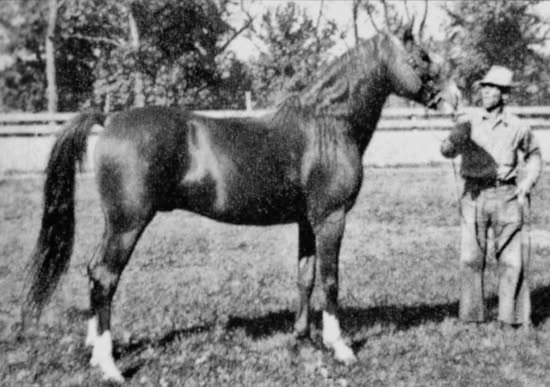
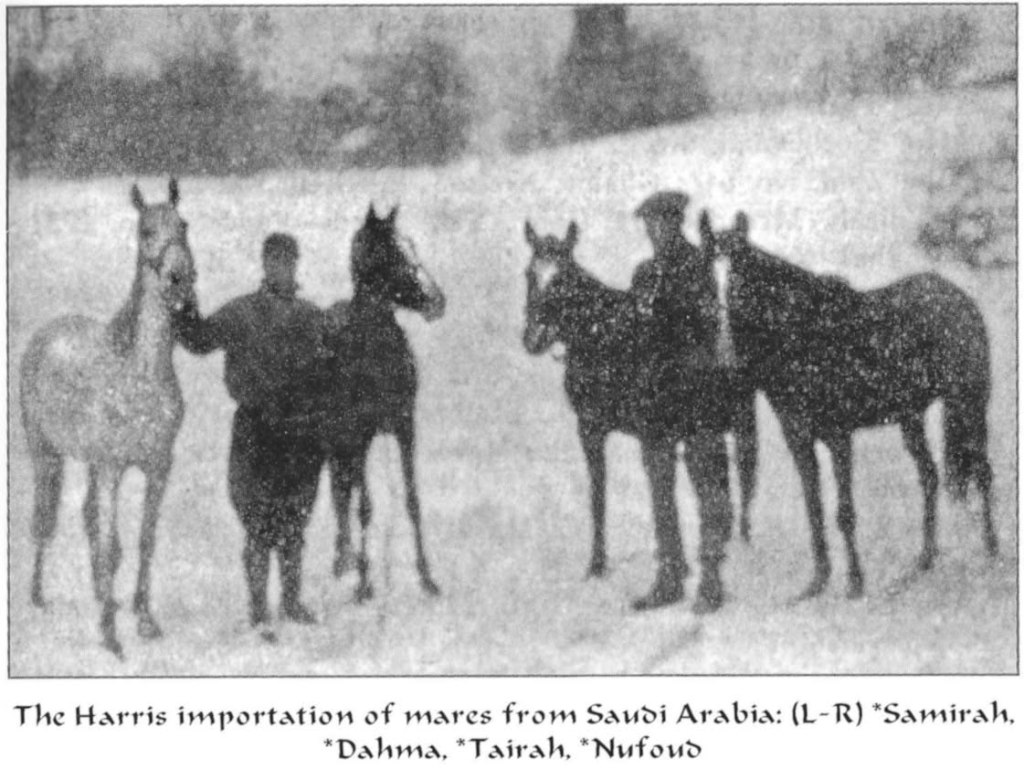
The Albert Harris Imports
Karimkhan’s dam Hamara was a worthy showhorse in her own right, bred by Lois Kinney and ridden by Sheila Varian. Hamara would also round up cattle with Sheila and her famous stallion Bay-Abi. Hamara’s sire is the legendary Hallany Mistanny, which is still highly prized blood even today. Hallany Mistanny was bred by General Dickinson at Traveler’s Rest Stud, and Dickinson described him as “having the charm associated with Arabs from the most celebrated studs in Egypt.” He was by *Zarife and out of *Roda. *Zarife placed 3rd in the 100 mile Ohio Endurance Ride, competing in the heavyweight division. *Roda was a 1933 US National Reserve Champion Mare and placed 2nd in Arab Saddle in 1935. Descriptions of her include: “Her head was described as perfectly representative of the classic type. Flat bones, pasterns of good length, extremely good action, level croup and long neck”
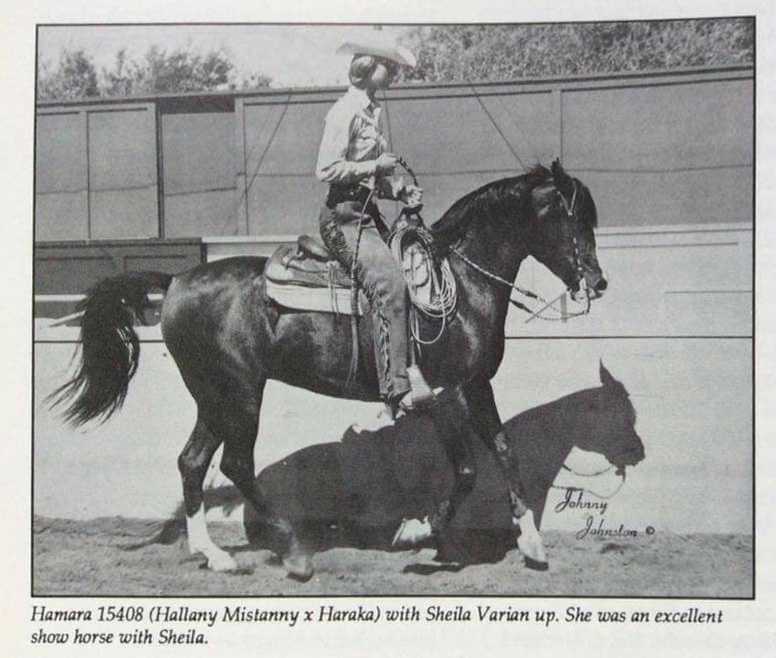
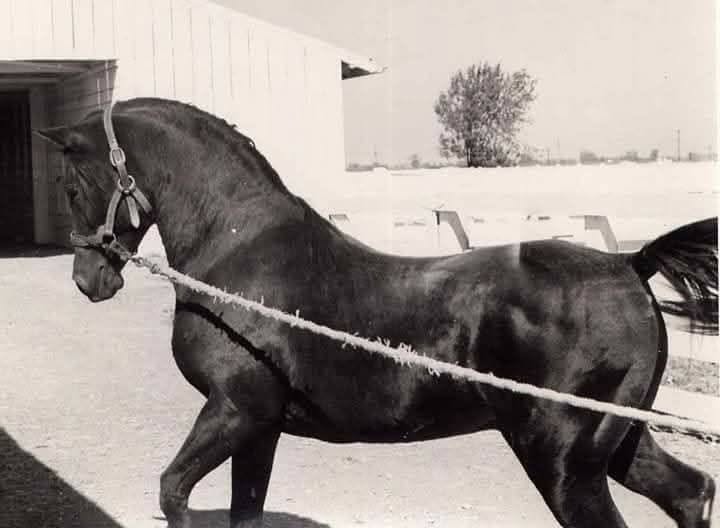
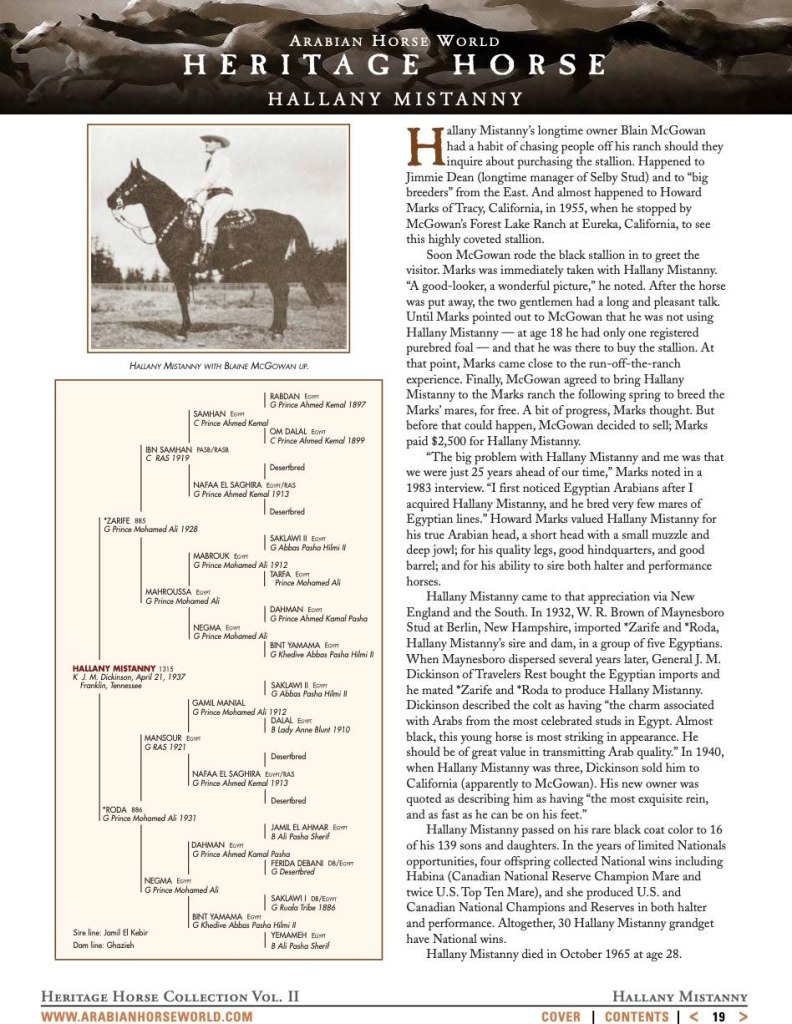
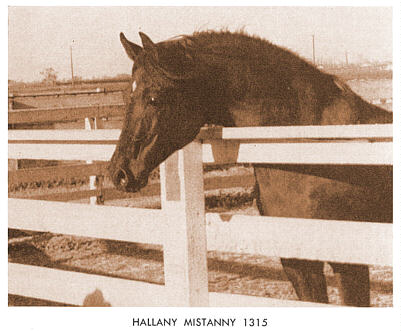
Hallany Mistanny
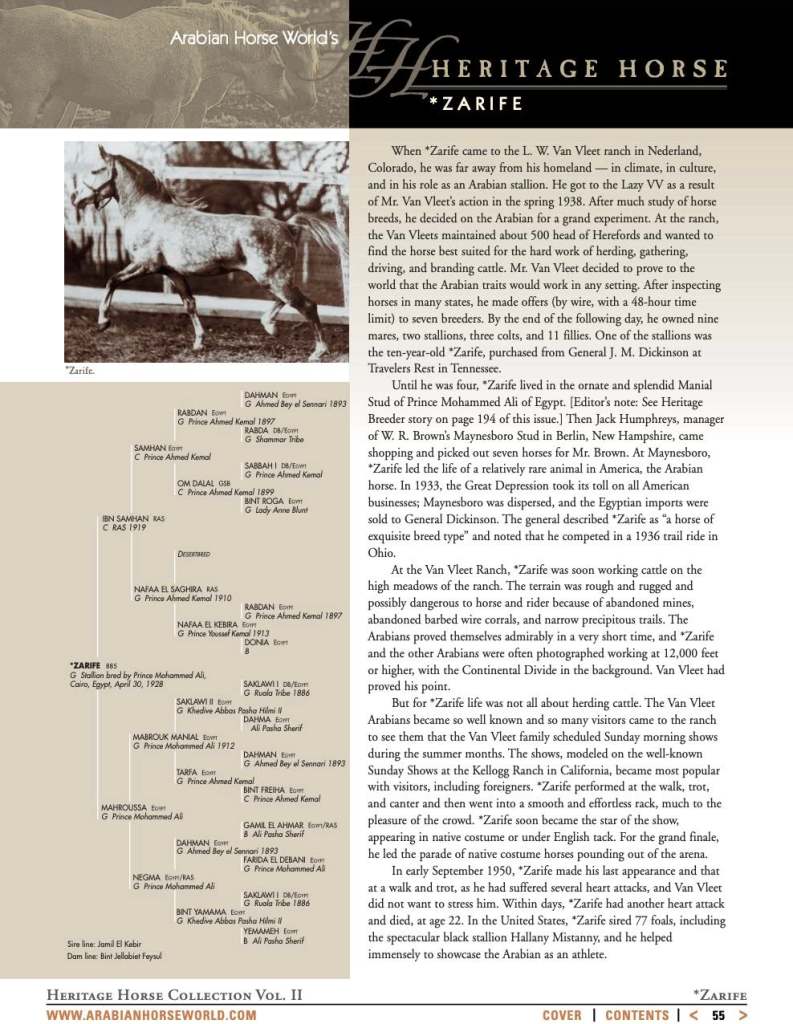
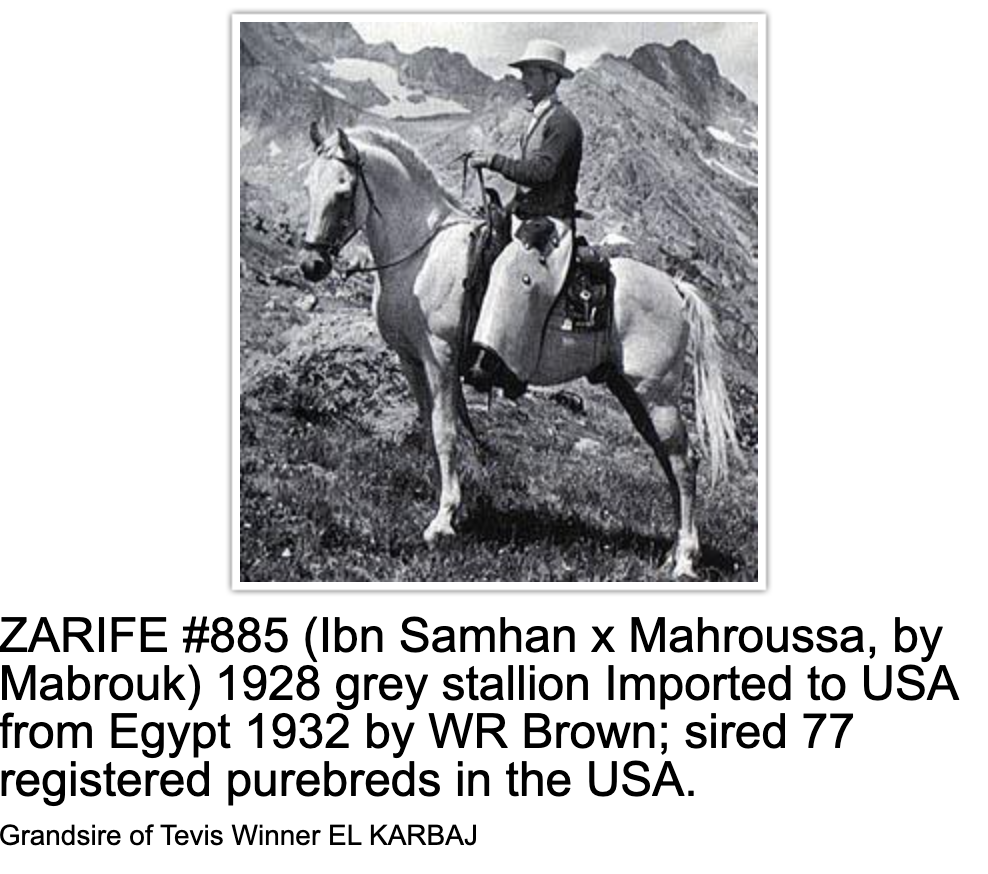
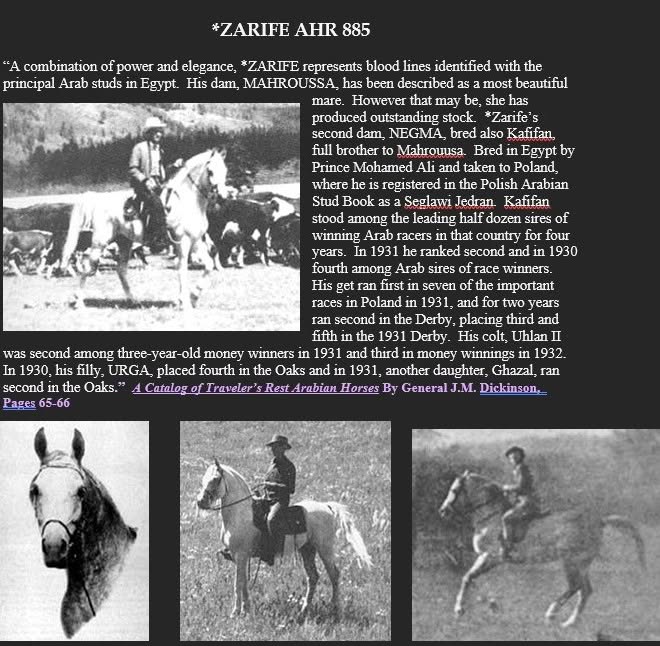
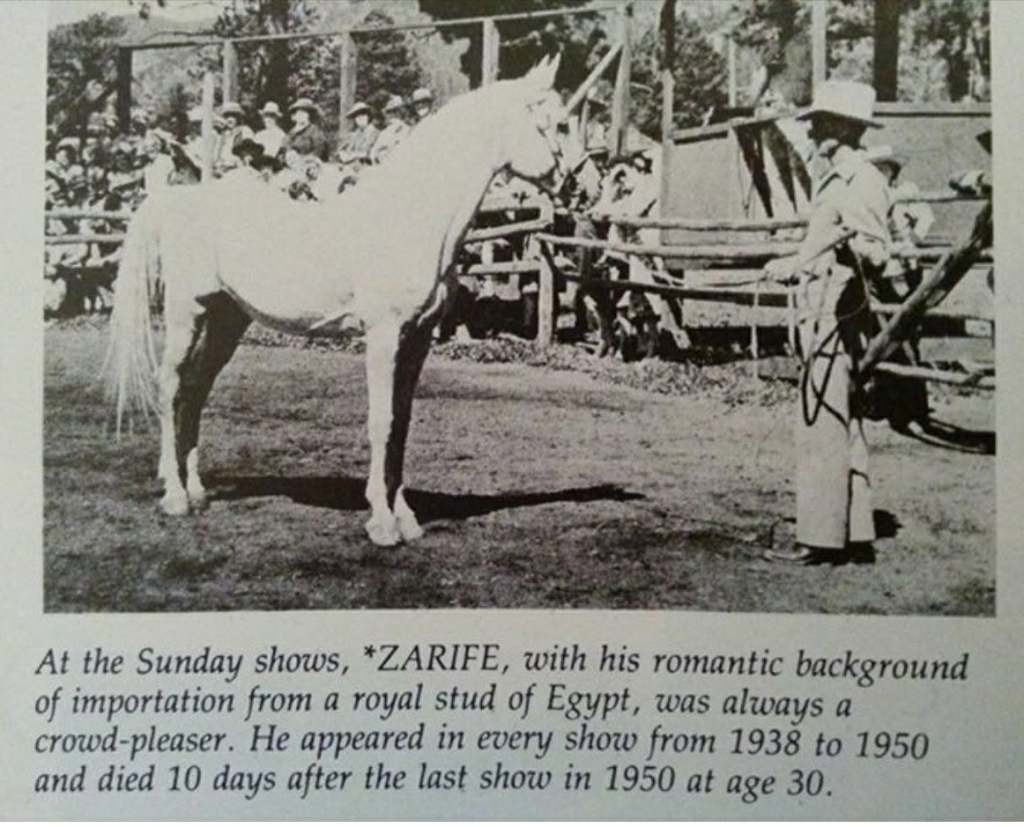
*Zarife
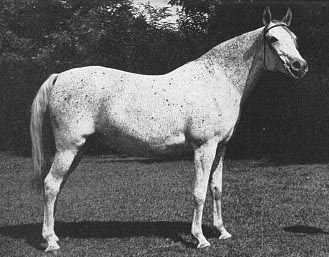
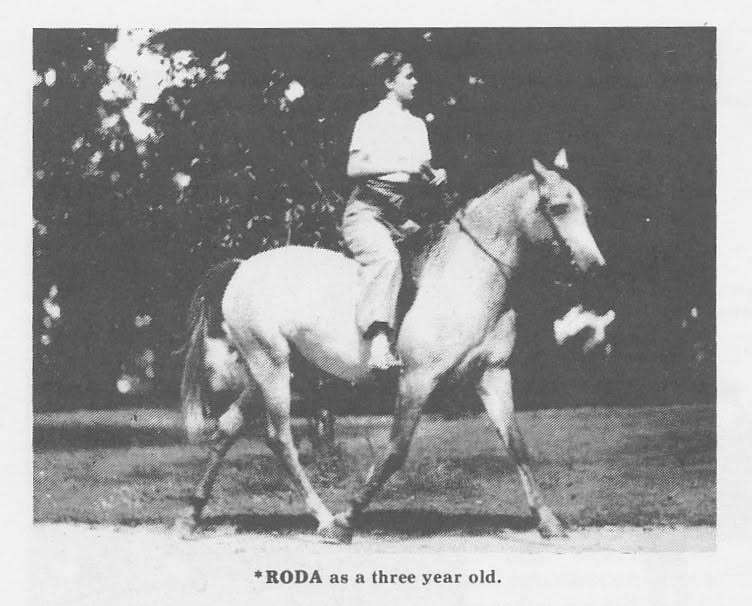
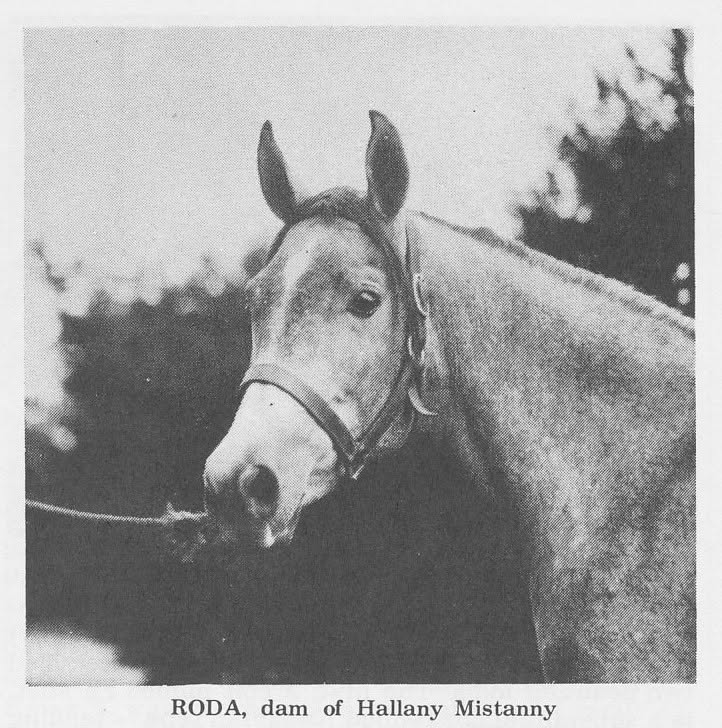
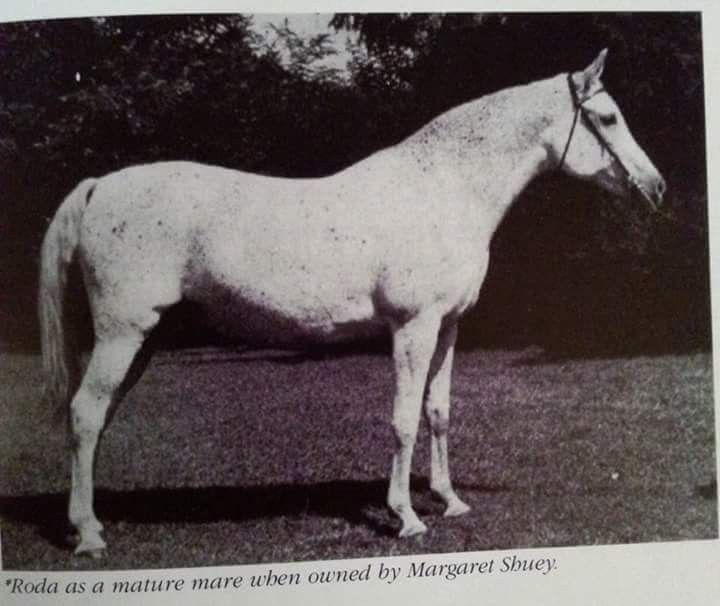
*Roda
Notably, Karimkhan is the result of crossing a sire and dam who’s dams are full siblings, but who’s sires are outcross bloodlines. In Karimkhan’s case, his sire Dhamida is out of the mare Bint Hamida, and his dam Hamara is out of Haraka. Both of these mares were by Kenur, bred by Albert Harris, and out of *H.H. MOHAMED ALI’S HAMIDA, imported by W. R. Brown. Generally in pedigrees, the sires tend to be related with dam lines being the source of outcross, so this was an notable difference in trend.
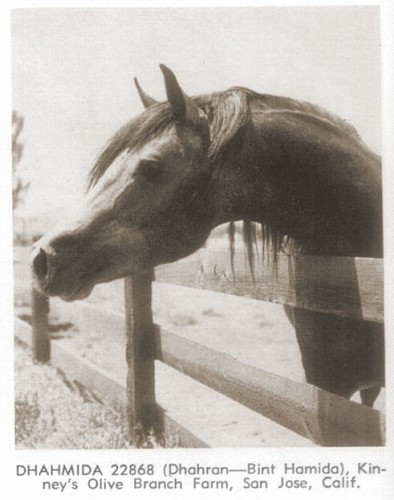
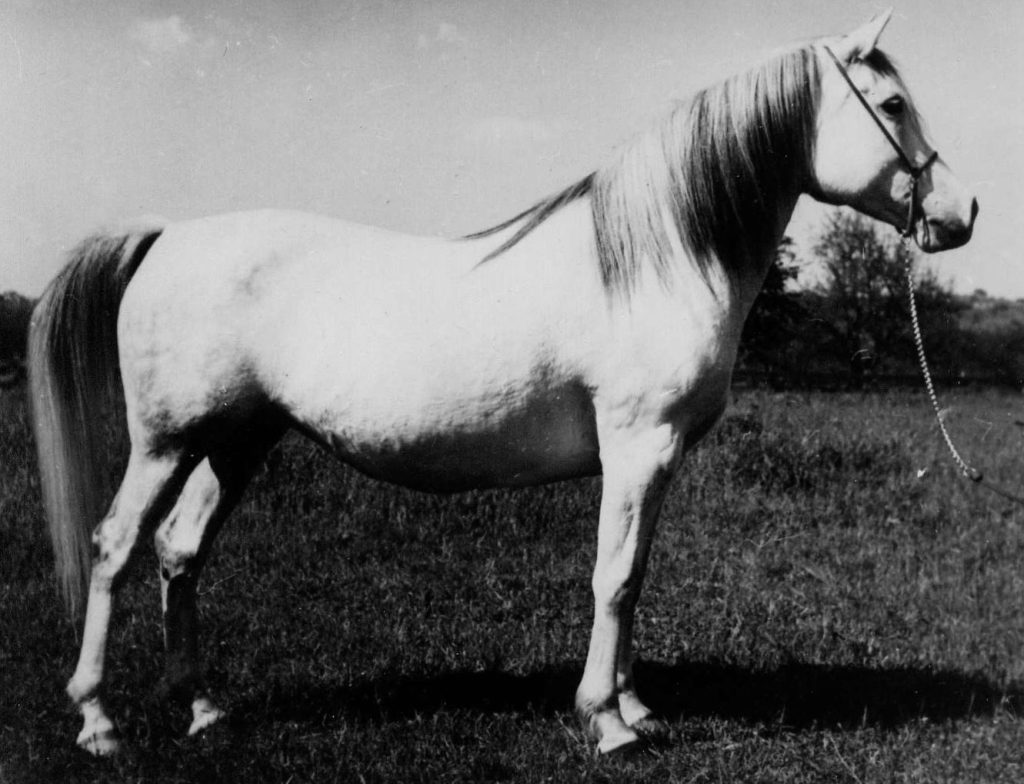
Bint Hamida
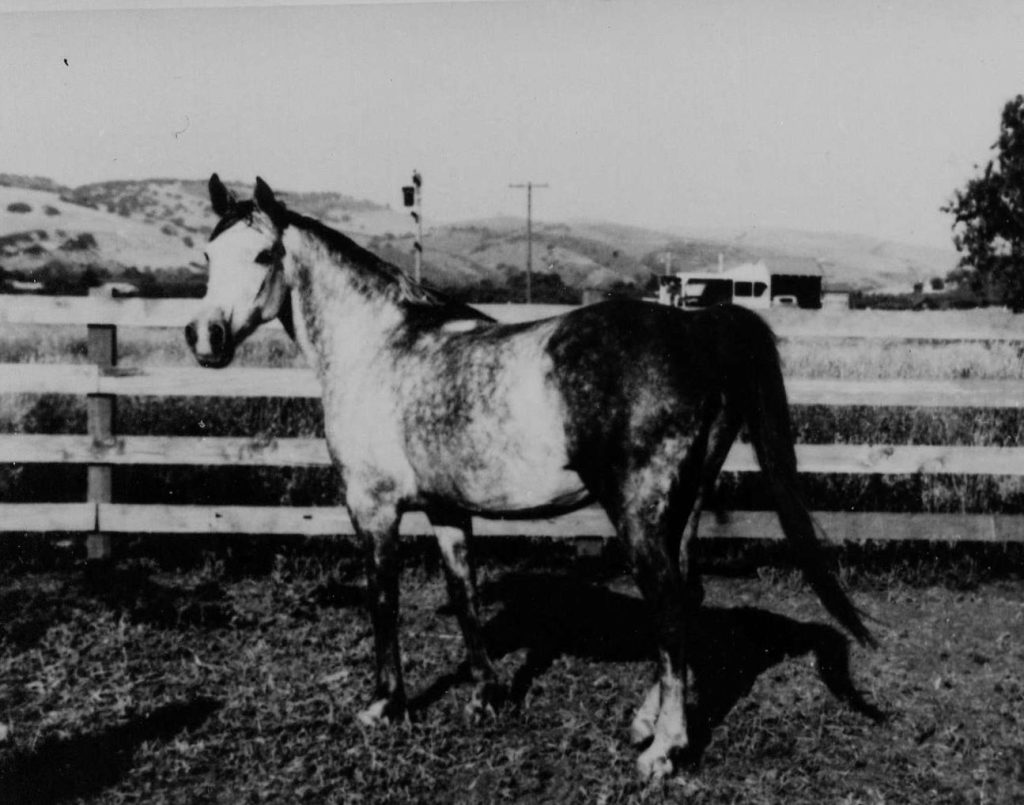
Haraka
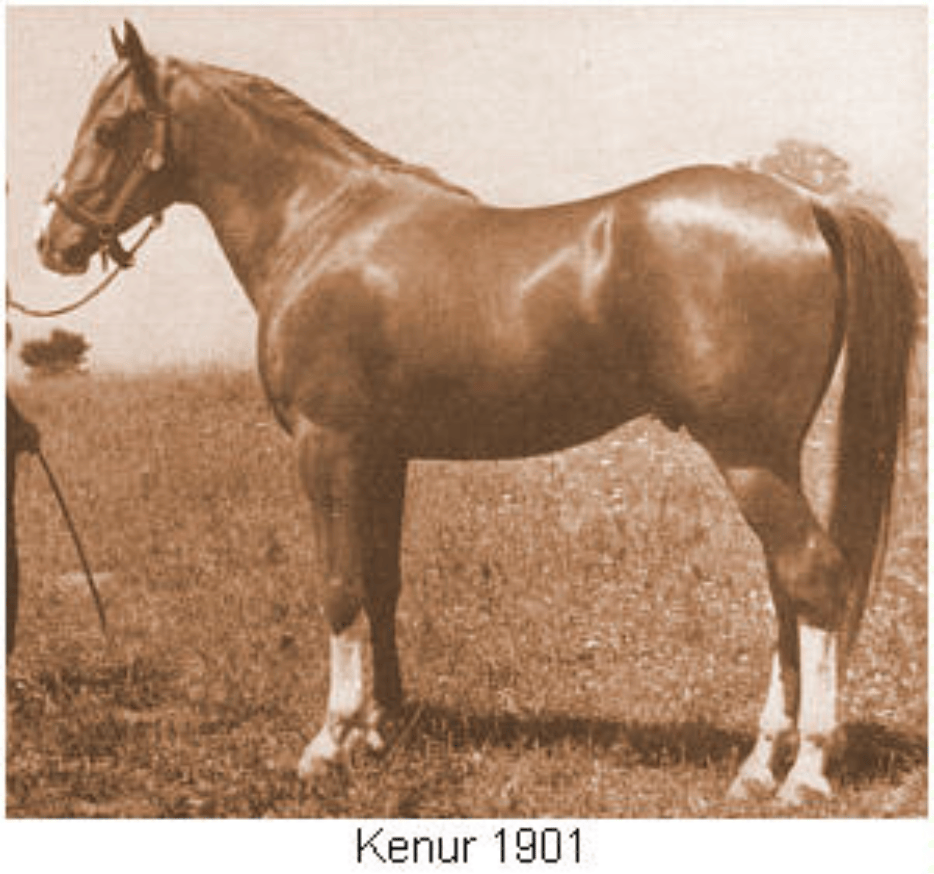
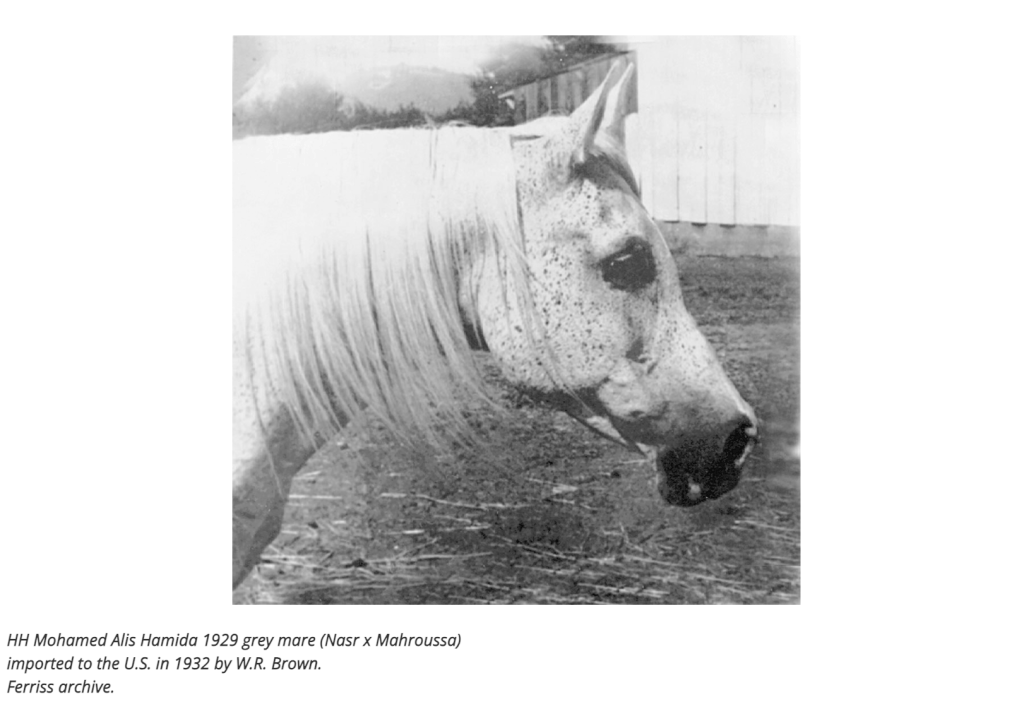
Of H. H. Mohamed Ali’s Hamida, Joe Ferriss writes: “I saw old home movies of HH Mohamed Alis Hamida and she was absolutely magnificent, perhaps the best mare of the importation… She did produce a few straight Egyptian foals in America but most were exported to South America and England where at that time there were no straight Egyptian horses for them.” Sadly, her influence is lost to Straight Egyptian horses of today.
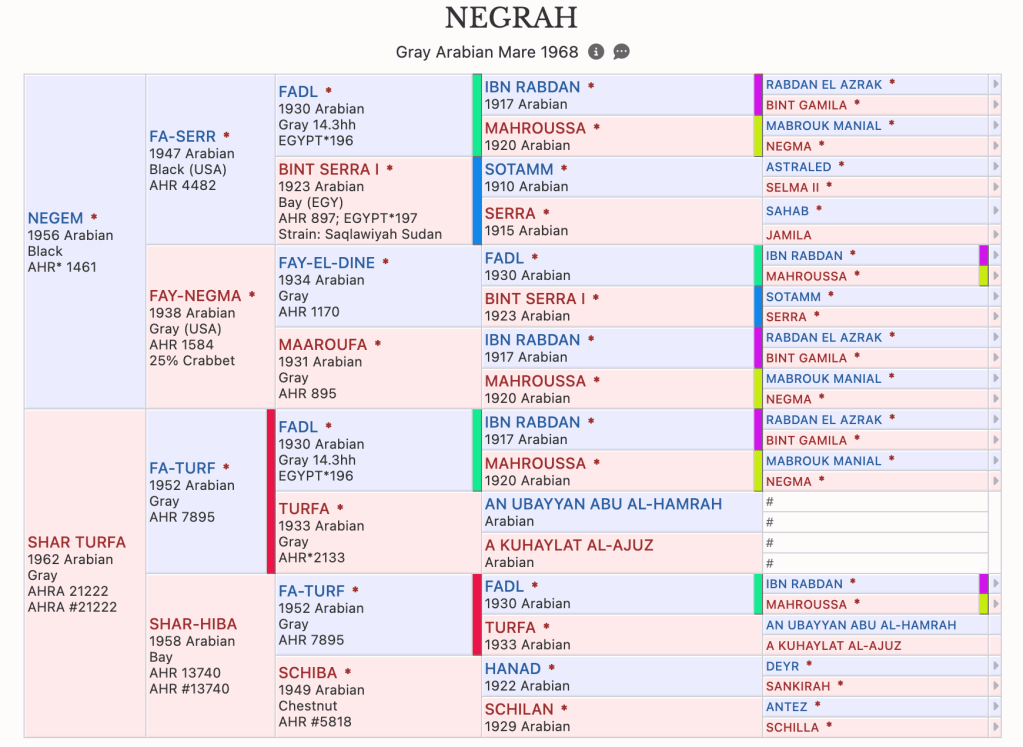
Karimkhan was crossed with the mare Negrah, a Sharp mare who is primarily Babson bred with 2 crosses to *Turfa, and a Davenport tail female line tracing to the Syrian mare *Urfah through the Saleefy/Schilla branch. Due to recent genetic testing, it has been discovered that there are different haplotypes of the *Urfah tail female horses, with the haplotype of Saleefy and Schilla not matching the other *Urfah daughter’s haplotypes. This is believed to be a case of mistaken identities during the sale of a large group of horses between Peter Bradley and F. E. Lewis, so while these horses are still listed as *Urfah tail female, their haplotypes trace to the Al Khamsa mare Freda instead, who descends from the stock of the Hamidie Society, imported in 1893 for the Chicago World Fair and bred by Homer Davenport and Peter Bradley. The horses are all still considered Asil/Al Khamsa, but instead have the *Galfia tail female line, as the dam of Saleefy is actually Freda, a *Galfia granddaughter. Click here for further reading.
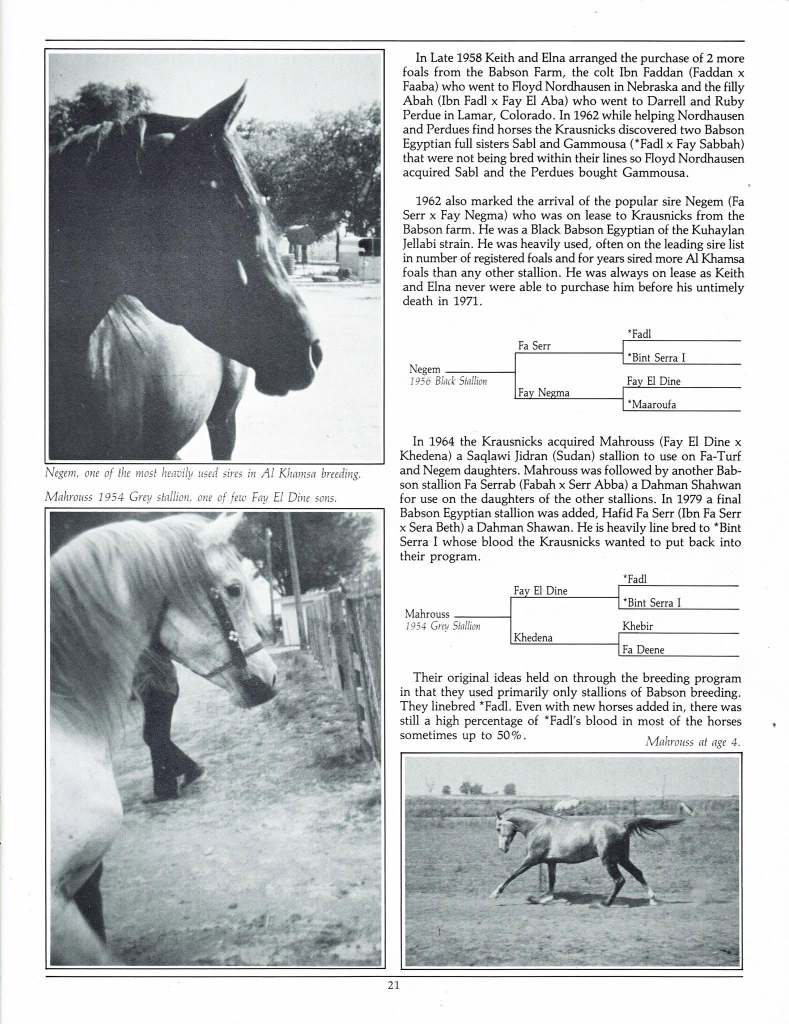
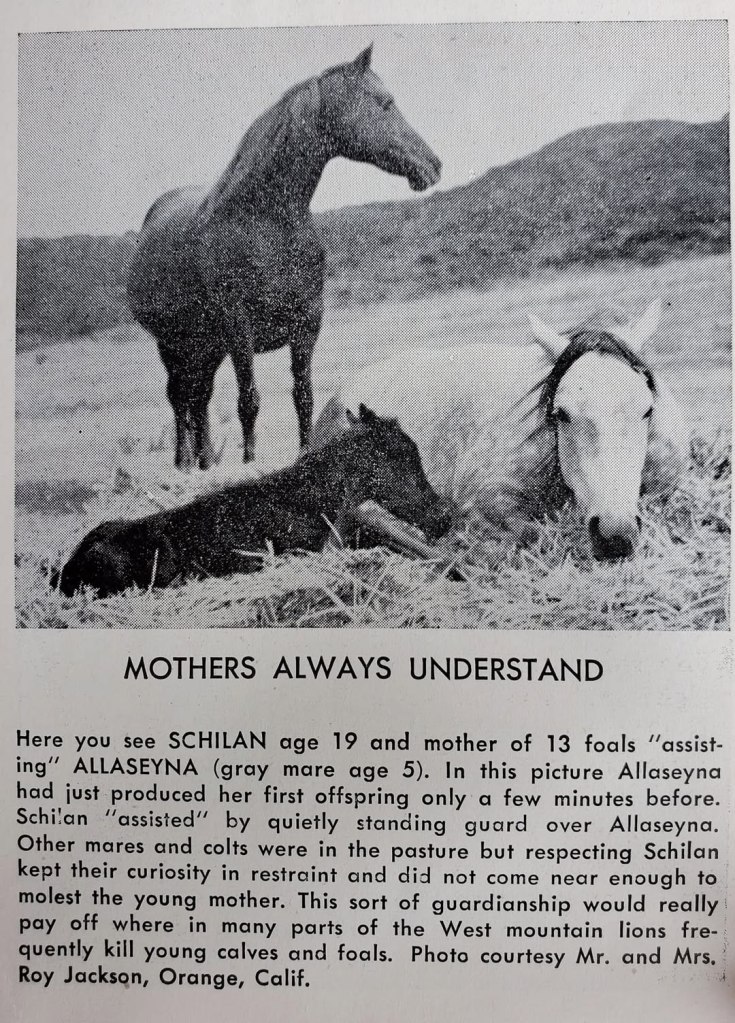
The mare Negrah brings the Davenport and Sa’ud influences to Halimah’s pedigree, as is typical with horses that have “Sharp” breeding in their backgrounds. Negrah is by the famous Babson stallion Negem, a National Champion producer, and out of the mare Shar Turfa, who’s breeding is the result of crossing a Blue Star stallion on a Davenport mare, a popular methodology of Sharp Breeding utilized by the Krausnick’s who also prized the black coat color. She has a very inbred pedigree to Fa-Turf, and therefore *Fadl, relying on outcross bloodlines from the dam line, one being the Sa’ud bred *Turfa, prized for her athleticism, as well as Davenport breeding through the mare Schiba, a Hanad daughter out of the mare Schilan, described as “a mare of great beauty, extreme type, dry chiseled head with huge eyes, tiny, well-shaped ears and very large well set nostrils” –Gladys Brown Edwards.
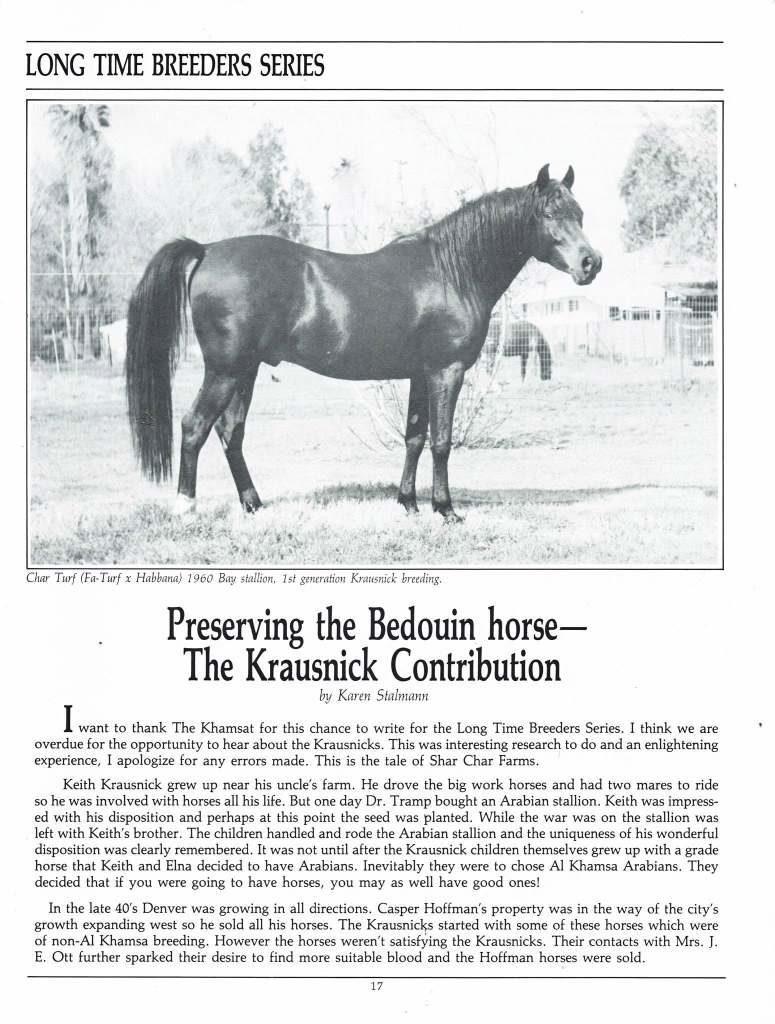
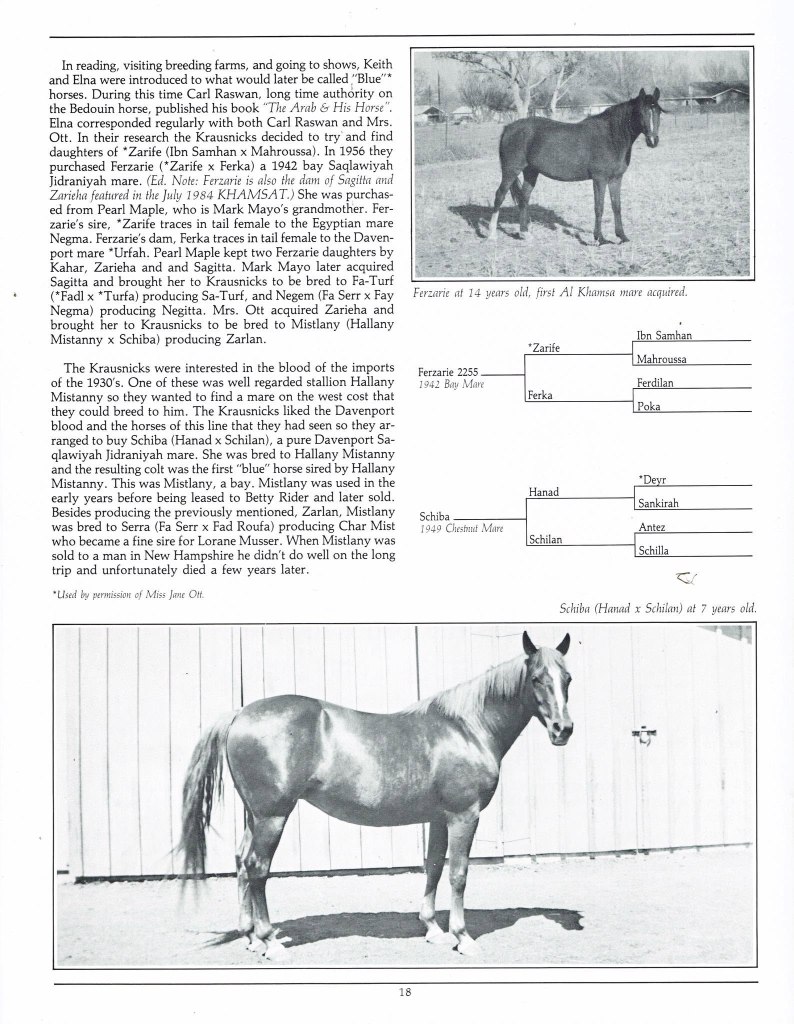
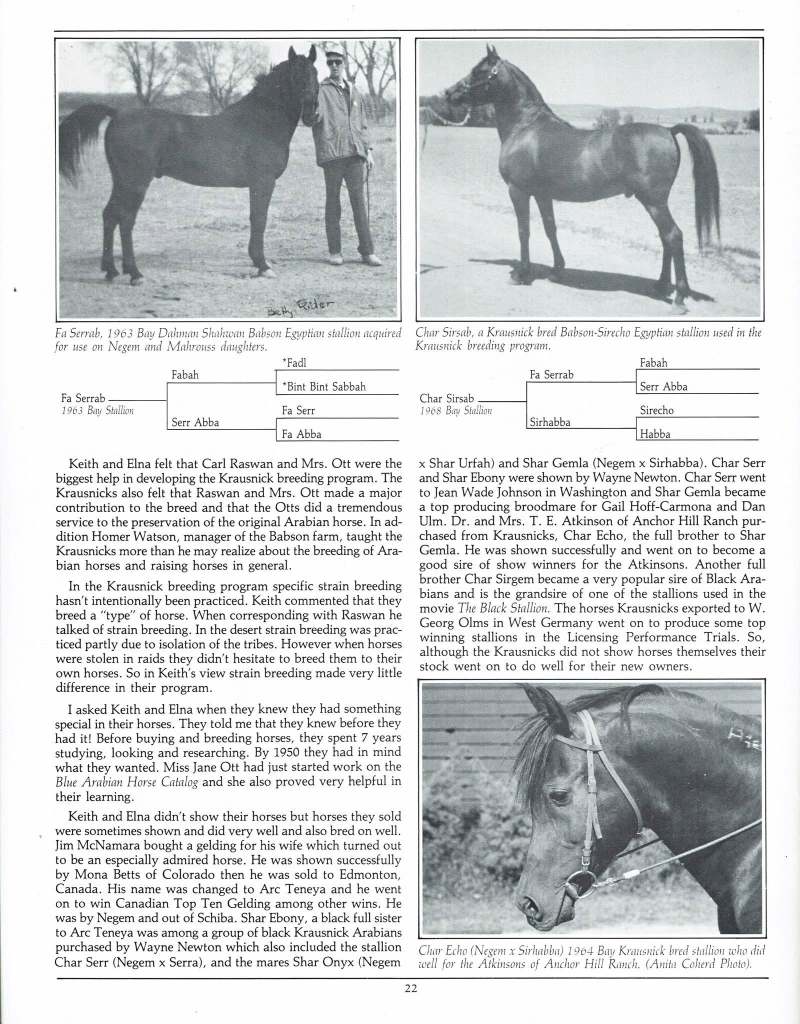
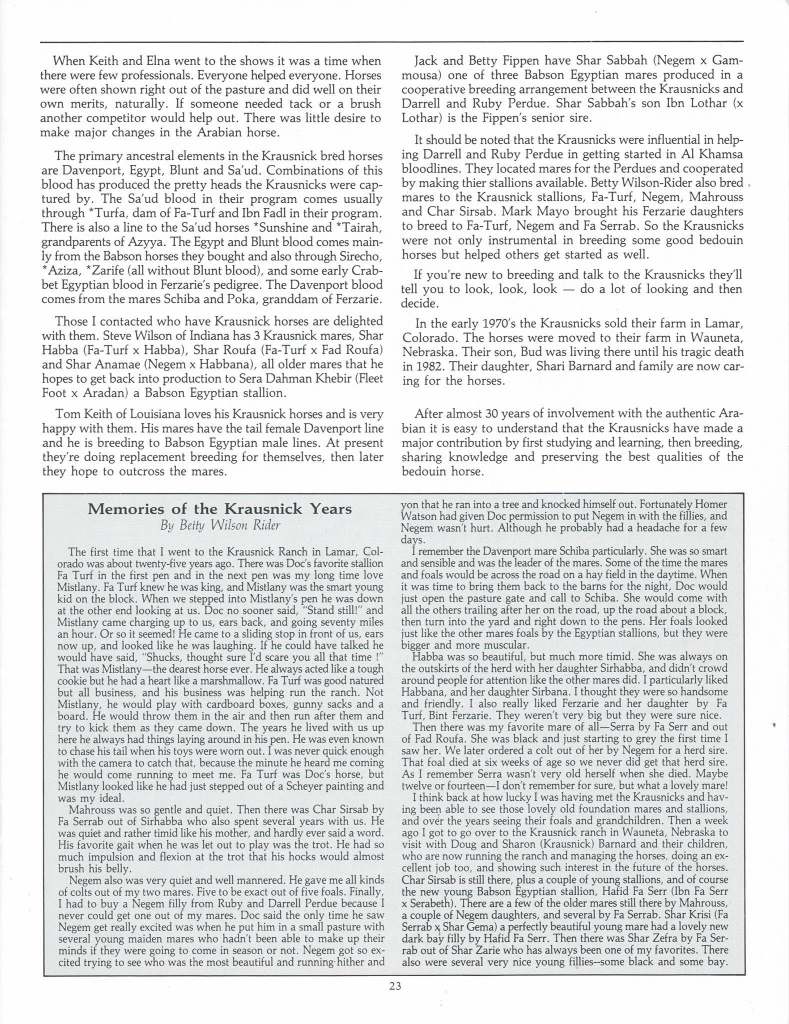
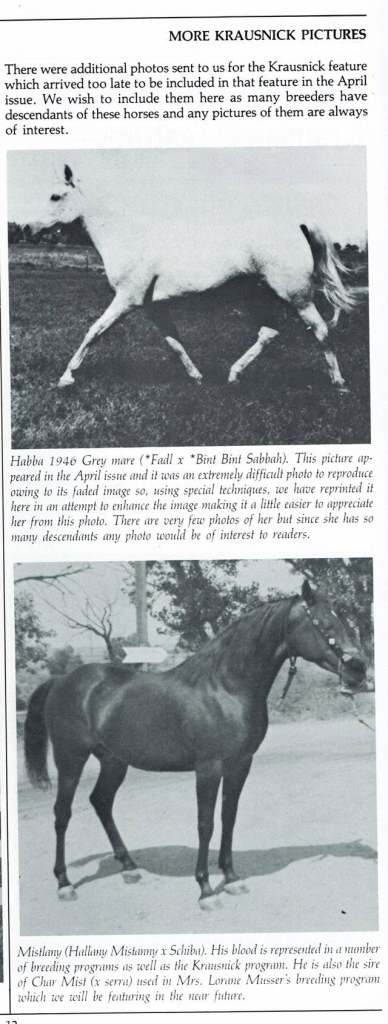
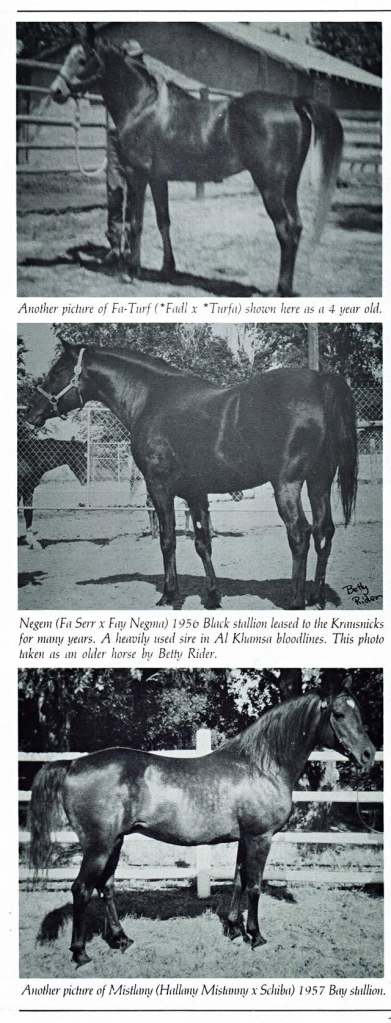
From the Khamsat, a publication of Al Khamsa, Inc.
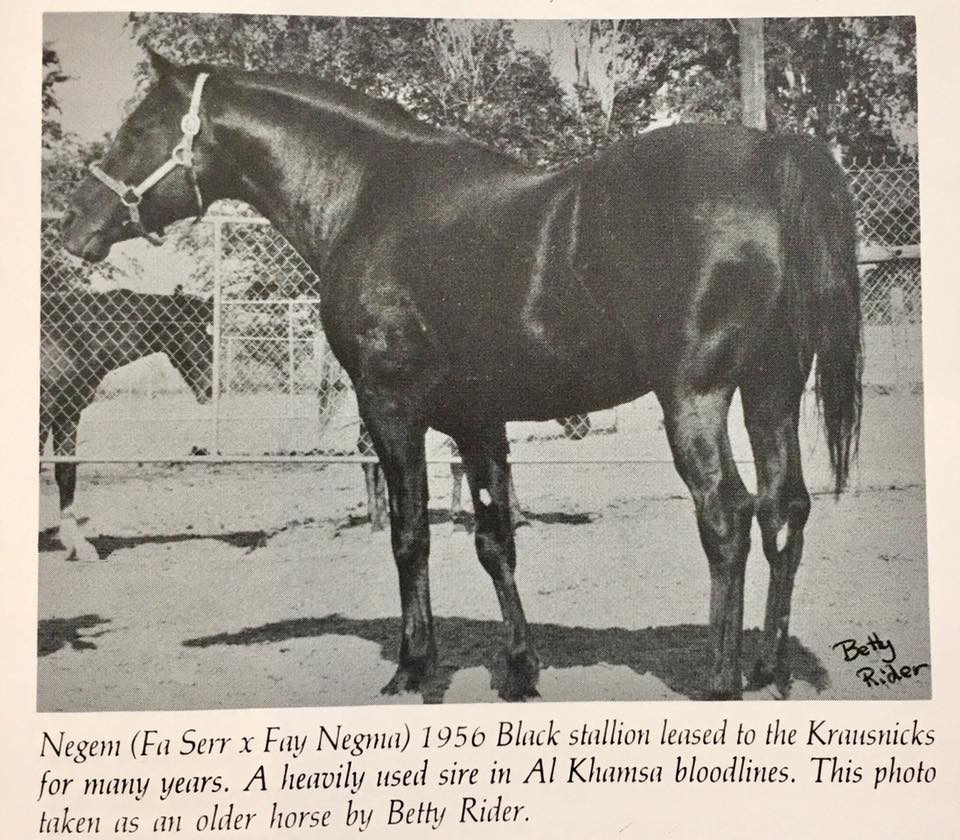
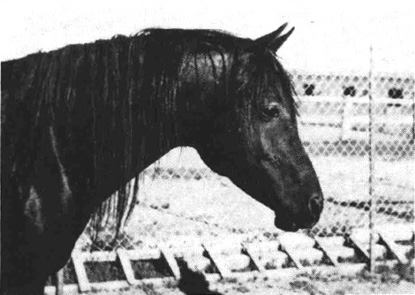
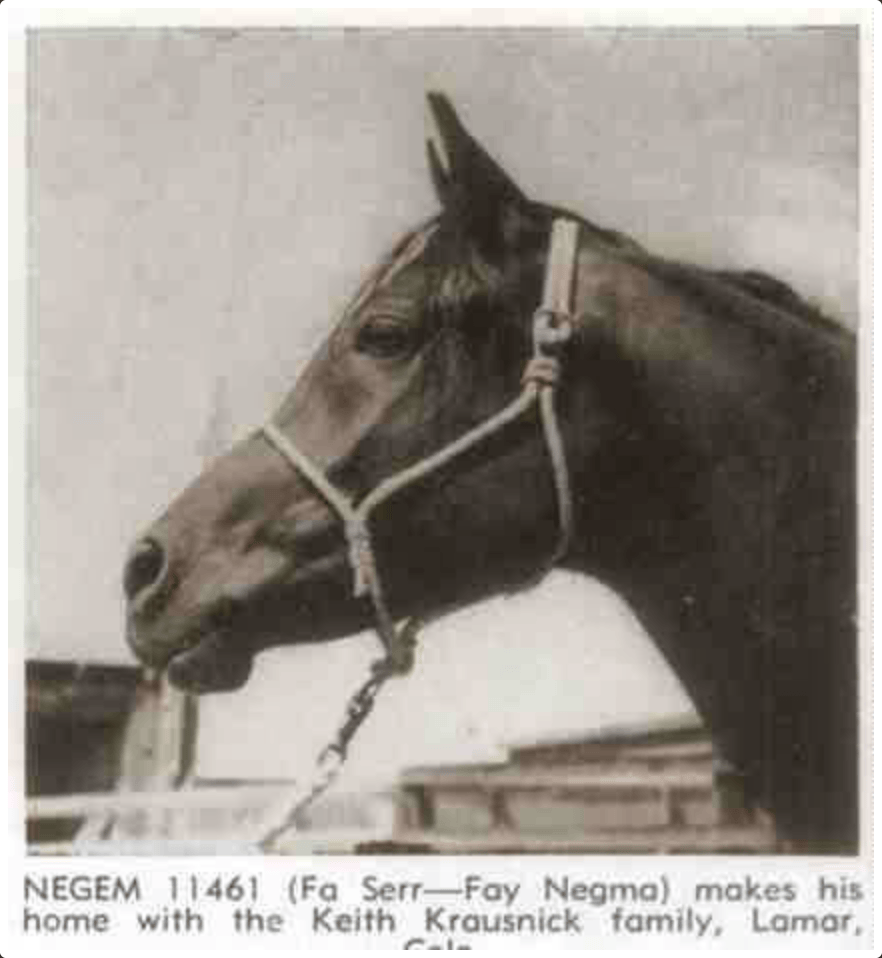
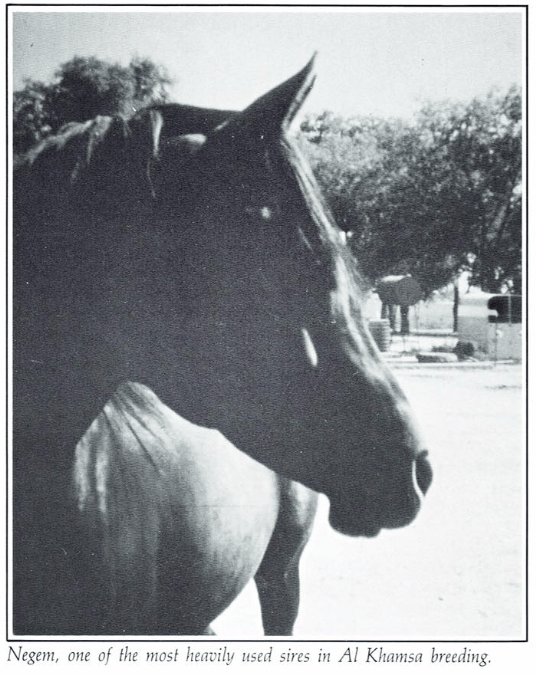
Negem
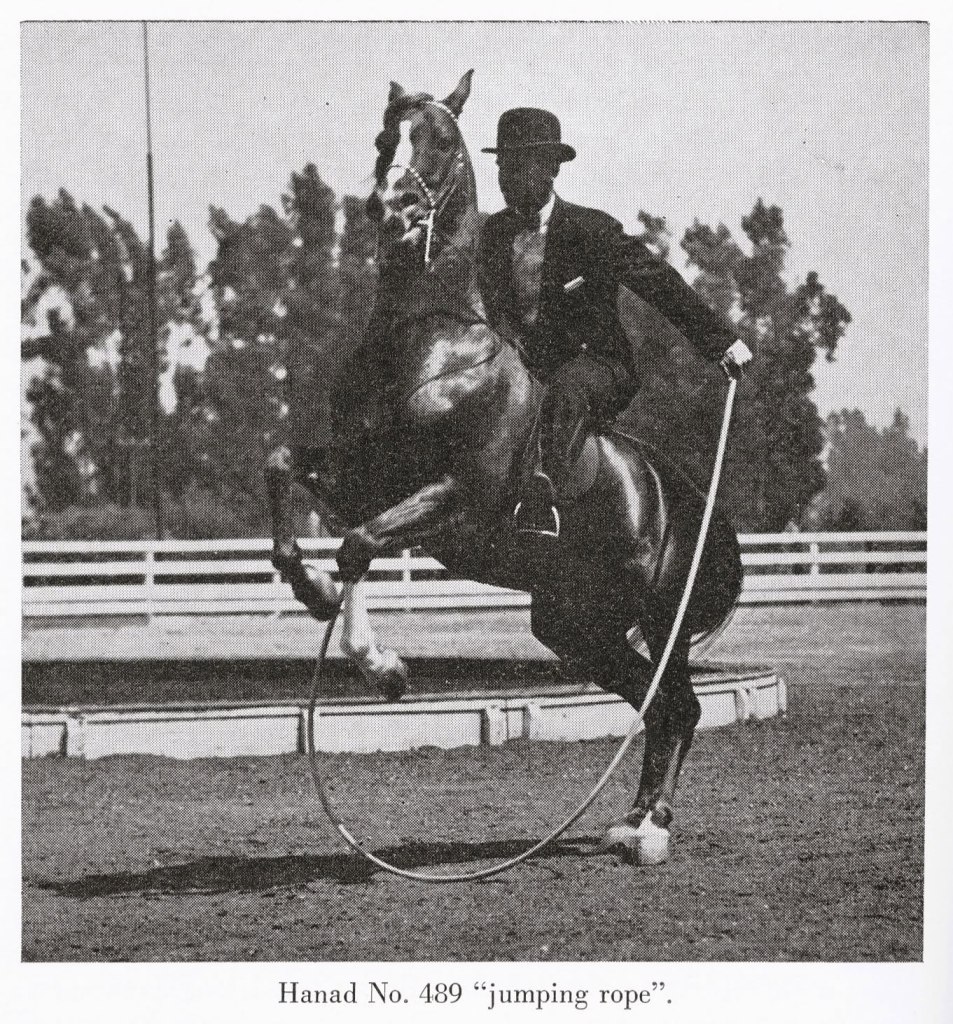
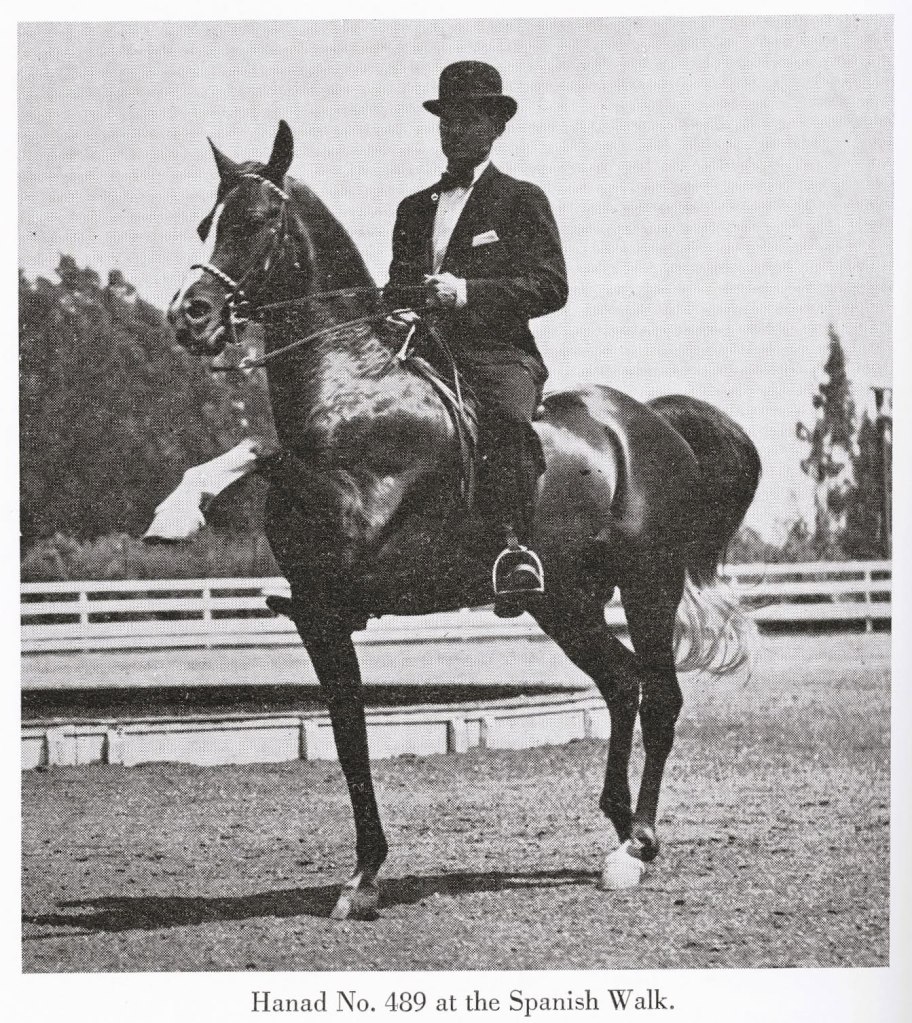
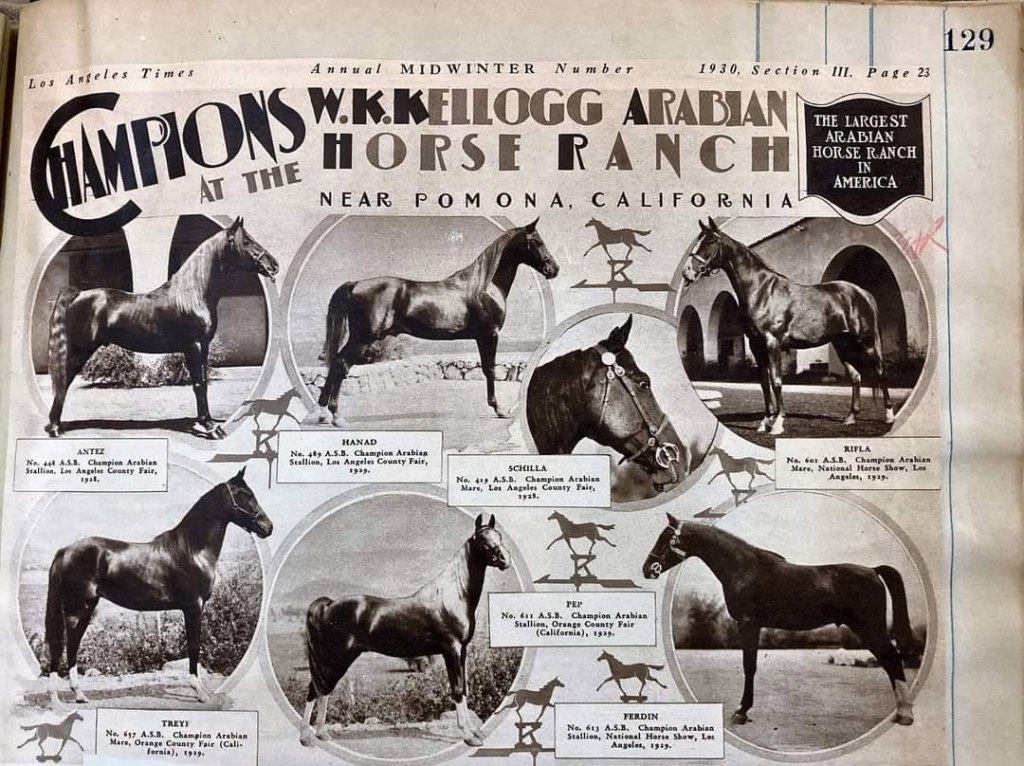
Hanad achieved Champion Arabian Stallion titles at the Los Angeles County Fair in California in 1929, 1930, and 1932. He was purchased by Kellogg and went on to be a highly influencial CMK sire in addition to his Davenport/Asil legacy.
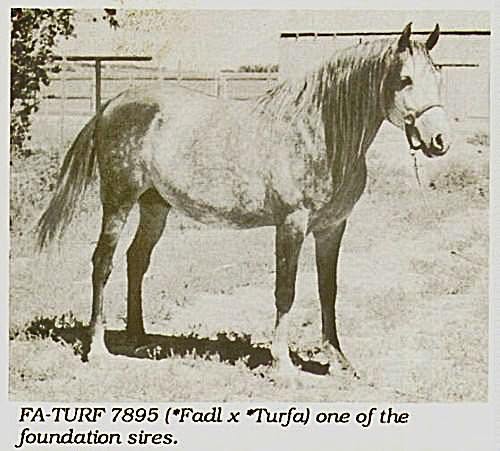
Shar Turfa’s sire, Fa-Turf, became a highly influencial stallion due to his legacy as a “Blue Star” stallion in the FTSM (*Fadl, *Turfa, Sirecho, and *Muhairah) Blue Star group. The “Blue Star” desgination was derived from the work of Jane Ott and Carl Raswan, who researched pedigrees of Arabians to delineate the purest horses – derived completely from original Bedouin stock with no admixture from non-Asil sources. Organizations like Al Khamsa, Inc. and Asil Club continue that work today.
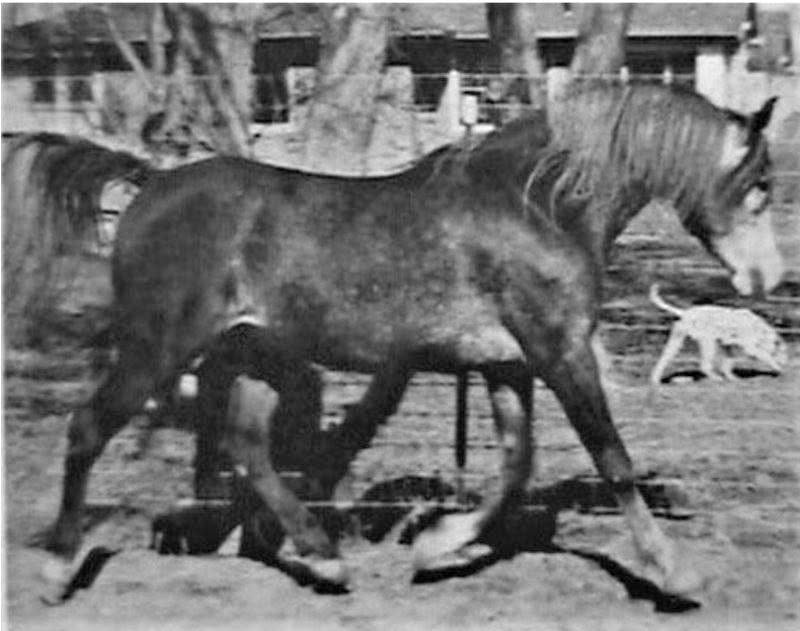
The result of KarimKhan and Negrah produced the mare Khanum Mustafa who was bred primarily to Bah Sab, eventually producing Kejan Fantaisha, Halimah’s maternal granddam. This cross infused more Babson influence into the pedigree while bringing forth the Sa’ud and Davenport elements with it. This mare was later crossed with the German import stallion *KEM Safir which brought in new outcross bloodlines not only to this pedigree itself, but also to the continent of North America.
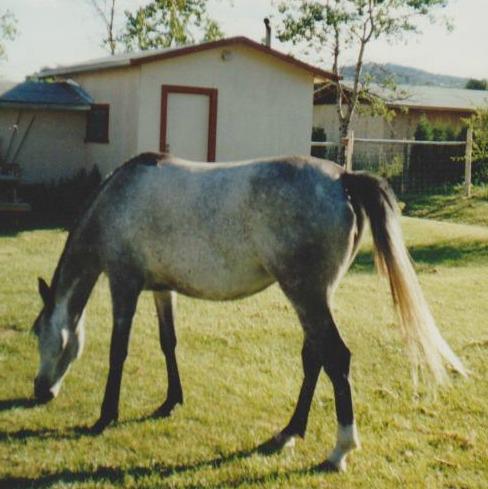
Kejan Fantaisha
*KEM Safir was imported in 1972 by Steve Bonovich, a breeder in Vacaville, CA. He is a Hadban Enzahi son as well as grandson on his dam’s side. This breeding technique of “the sire should be the grandsire of the dam” refers to Brackett’s Formula, a linebreeding strategy used in animal breeding to concentrate the genetics of an exceptional ancestor. The resulting offspring, in this case *KEM Safir, have 37.5% of the DNA of the linebred ancestor, in this case Hadban Enzahi.
*KEM Safir is alleged to have a show career, though no evidence of it can be found, with notable pedigree researchers also confirming that it doesn’t exist. His offspring did well in endurance racing and track racing, and perhaps other disciplines though AHA’s Datasource records only have information from 1986 onward. *KEM Safir’s close relatives boast success in performance disciplines including driving, eventing, and halter, and many were retained in Germany and were prized for their accomplishments in the breeding shed.
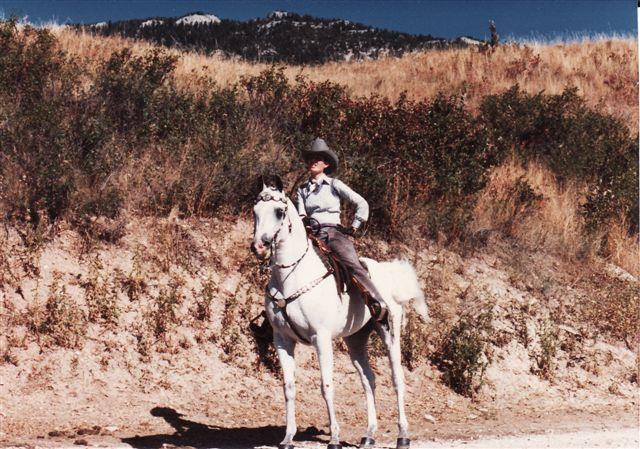
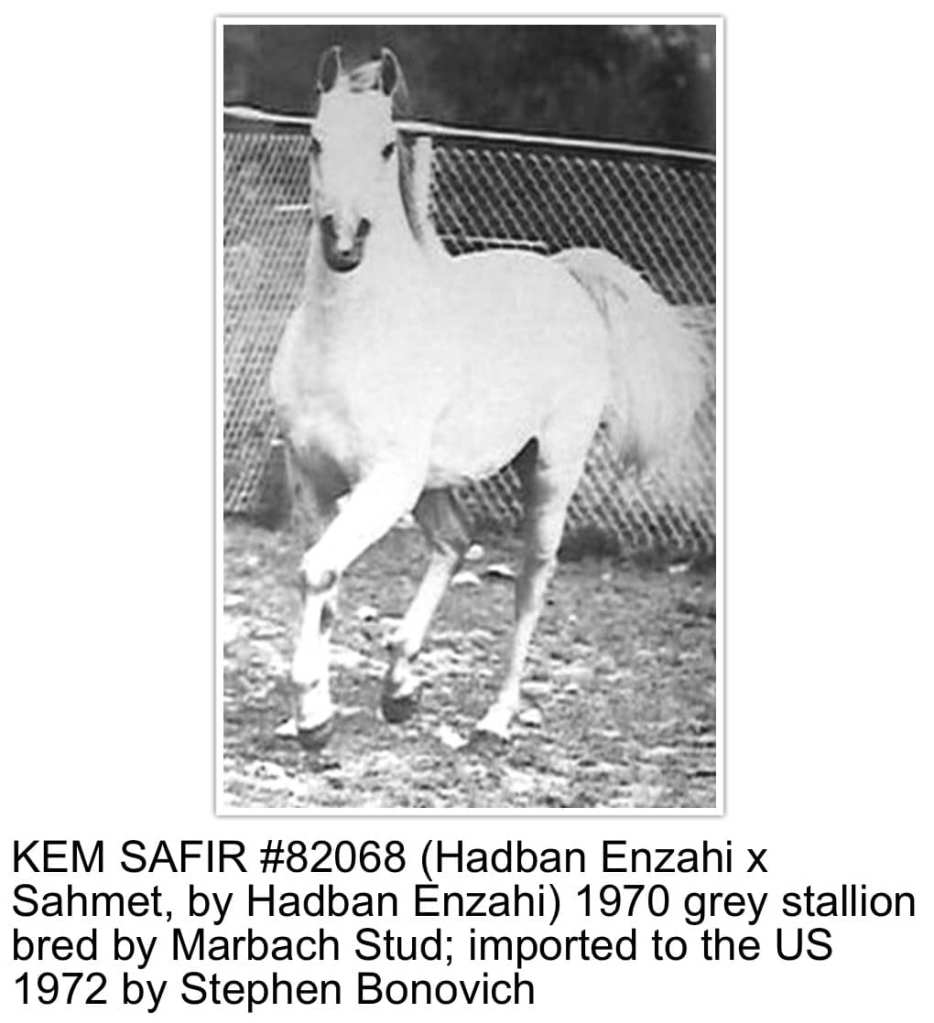
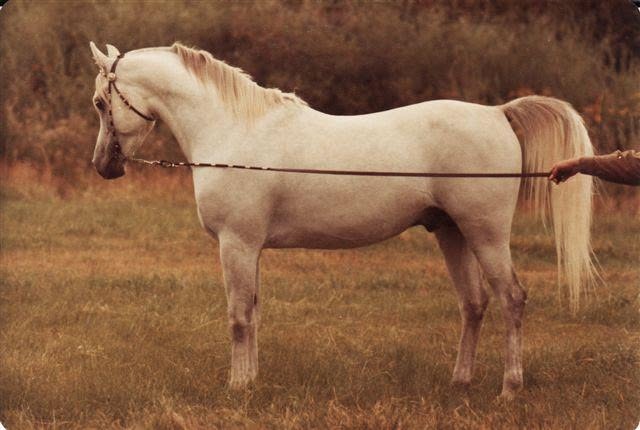
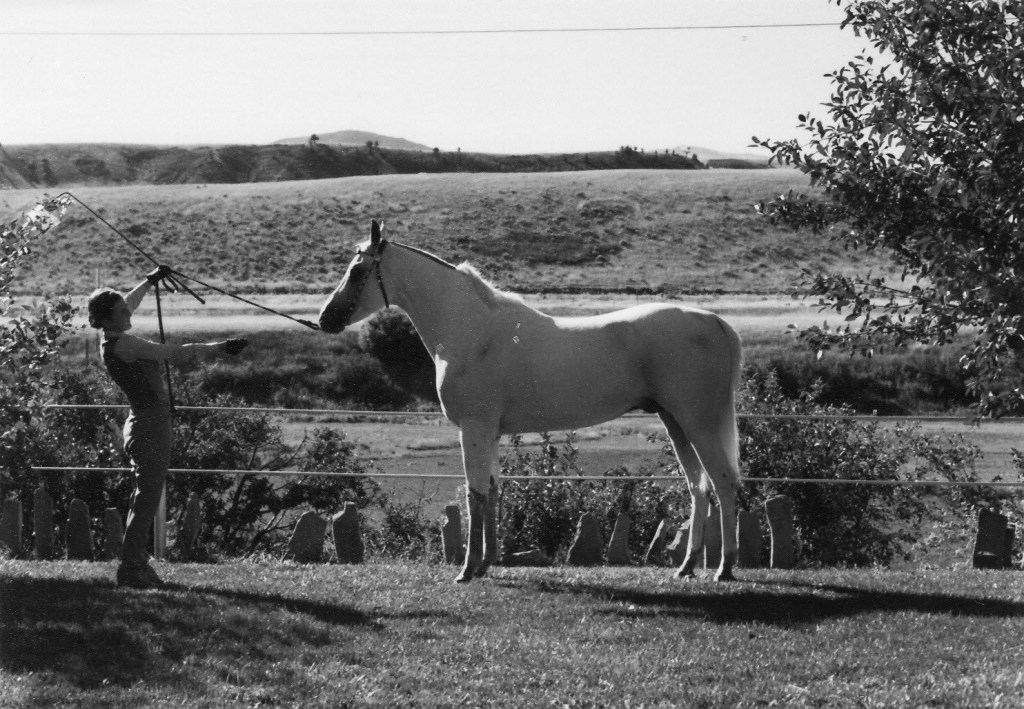
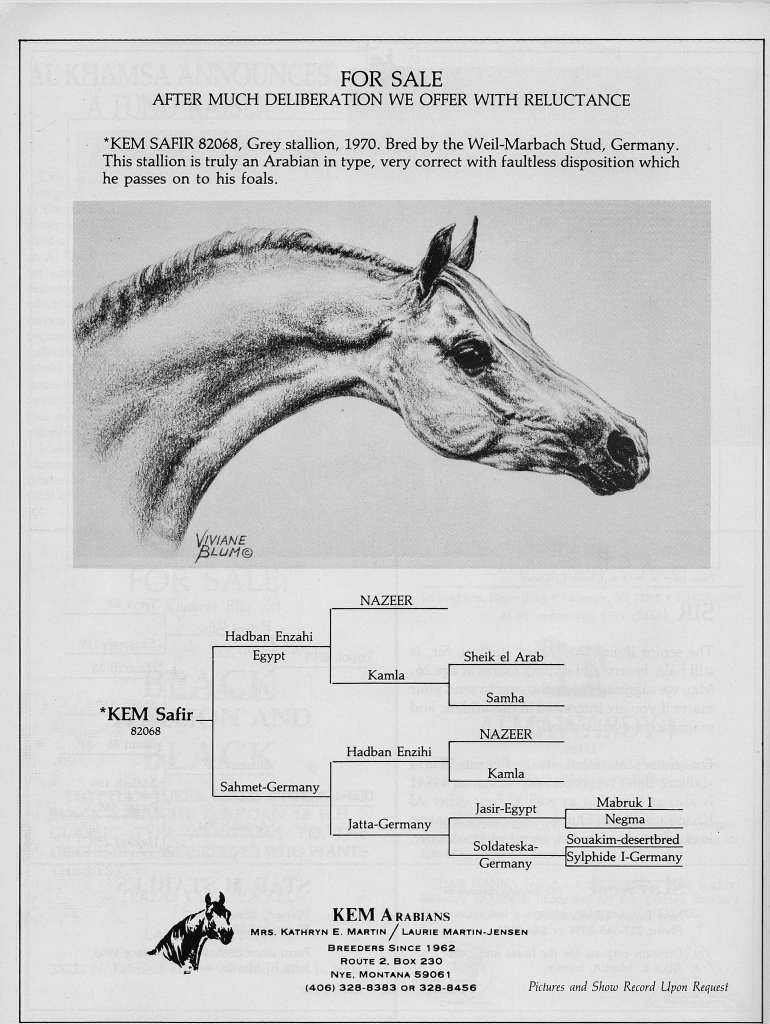
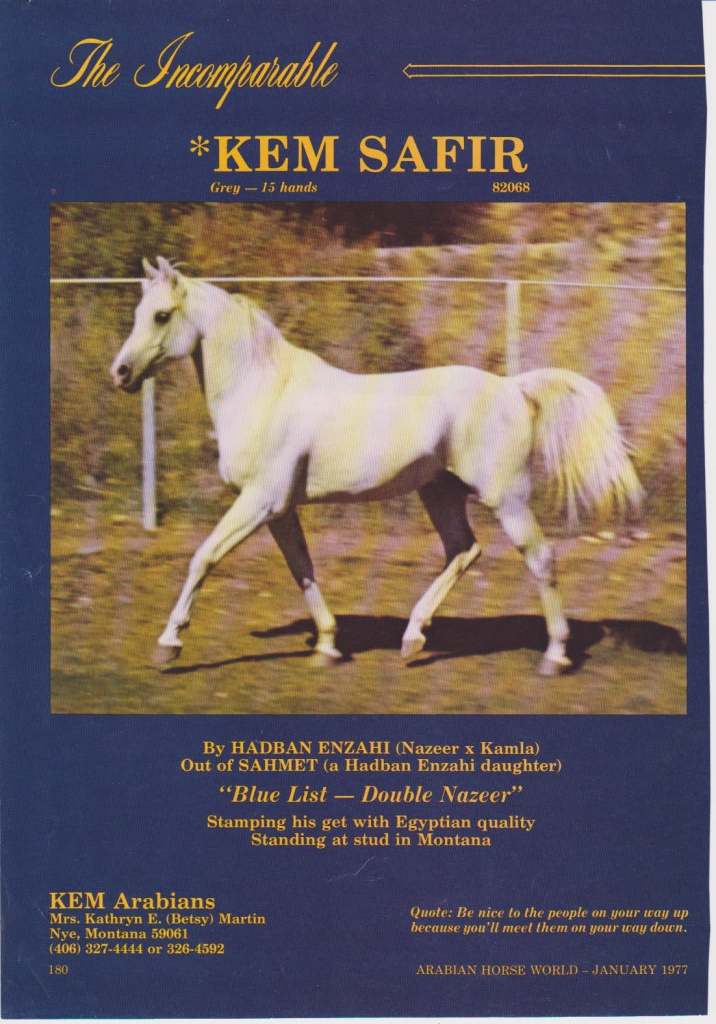
*KEM Safir
*KEM Safir’s sire Hadban Enzahi was an exceptional stallion. He was a Nazeer son bred at the EAO and imported to the Marbach Stud of Germany in November 1955 by Dr. Georg Wenzler. He was presented in hand and under saddle to showcase the classic Arabian floating trot, stamina, and exceptional temperament, which was a core marketing requirement for European state-run herds. Marbach stud began stud parades in 1925 to showcase the stallions to private breeders. Hadban Enzahi began participating in 1956. He was a surprisingly excellent sire at Marbach and produced multiple incredible sons as well as daughters. His excellence as a sire is described by Ralph Suarez in this quote: “There are very few stallions, who can consistently sire excellent sons, as well as daughters equal to the quality of the sons. Hadban Enzahi was one of those rare horses and it is a humbling exercise for me, to fully consider the greatness that this particular horse possessed.”
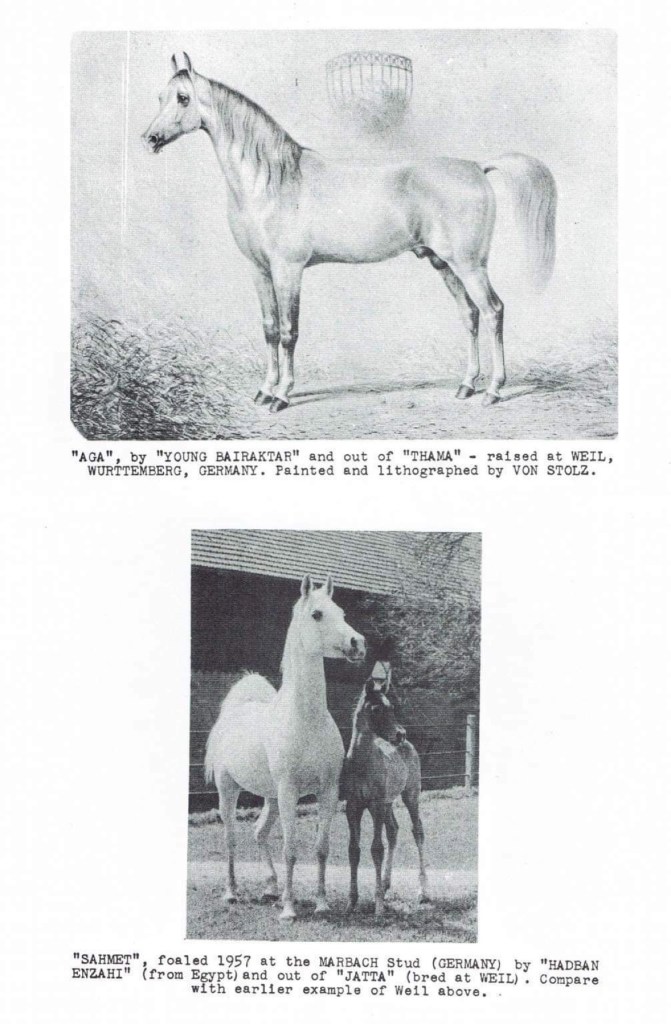
*KEM Safir’s dam was Sahmet, a Hadban Enzahi daughter out of the mare Jatta. Sahmet became an impressive broodmare herself, siring 11 foals that gained worldwide acclaim for their athletic prowess as well as their diversification of Straight Egyptian genetics, notably her sons Sinbad (exported to Australia) and *KEM Safir.
Sahmet’s dam Jatta began her broodmare career rather late in life, and was primarily bred to a Polish stallion. She gave birth to Sahmet at 24, who was her only Asil offspring. Jatta’s dam was the mare Soldateska, who transferred from Weil Stud to Marbach in foal to Jasir with Jatta. Soldateska’s legacy became one of preservation and carrying some of the oldest desert bloodlines in Europe going forward as well as preserving her rare Murana 1 tail female line through her daughter Jatta. Soldateska’s historic bloodlines come from the Weil stud primarily, but also the Bablona Stud in Hungary. The Weil and Bablona Studs worked together and shared breedings of imported horses from Syria and Egypt with each other. The Bablona Stud is credited with the development of the Shagya Arabian breed, and the Weil Stud is acclaimed for the contributions of it’s imported stallion Bairactar (found way far back in Halimah’s pedigree) whose offspring became pivotal influences in Holsteiner and Westphalian warmblood breeds, contributing stamina, athletic refinement, and jumping power – in effect – modernizing heavy warmblood breeds.
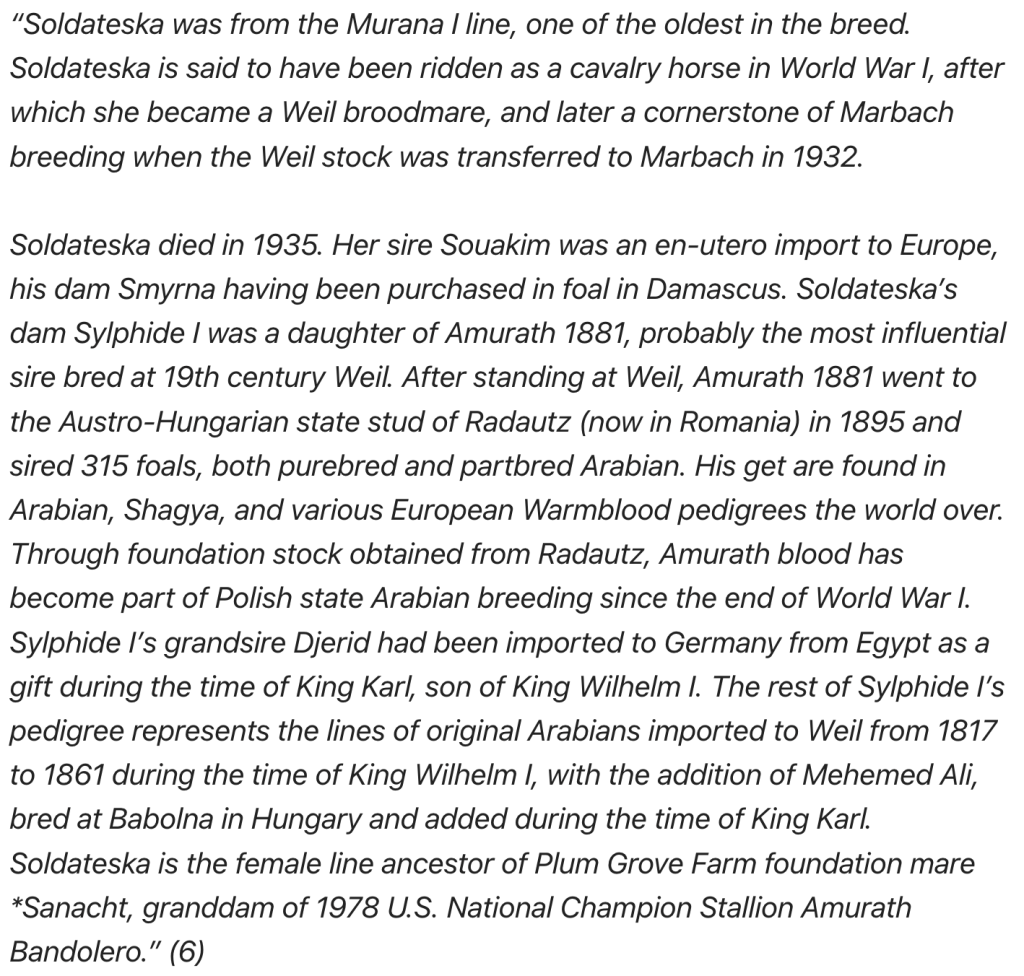
An R. J. Cadranell Quote From Edouard AlDadah’s “Daughters of the Wind” Blog Entry on the Bablona Stud
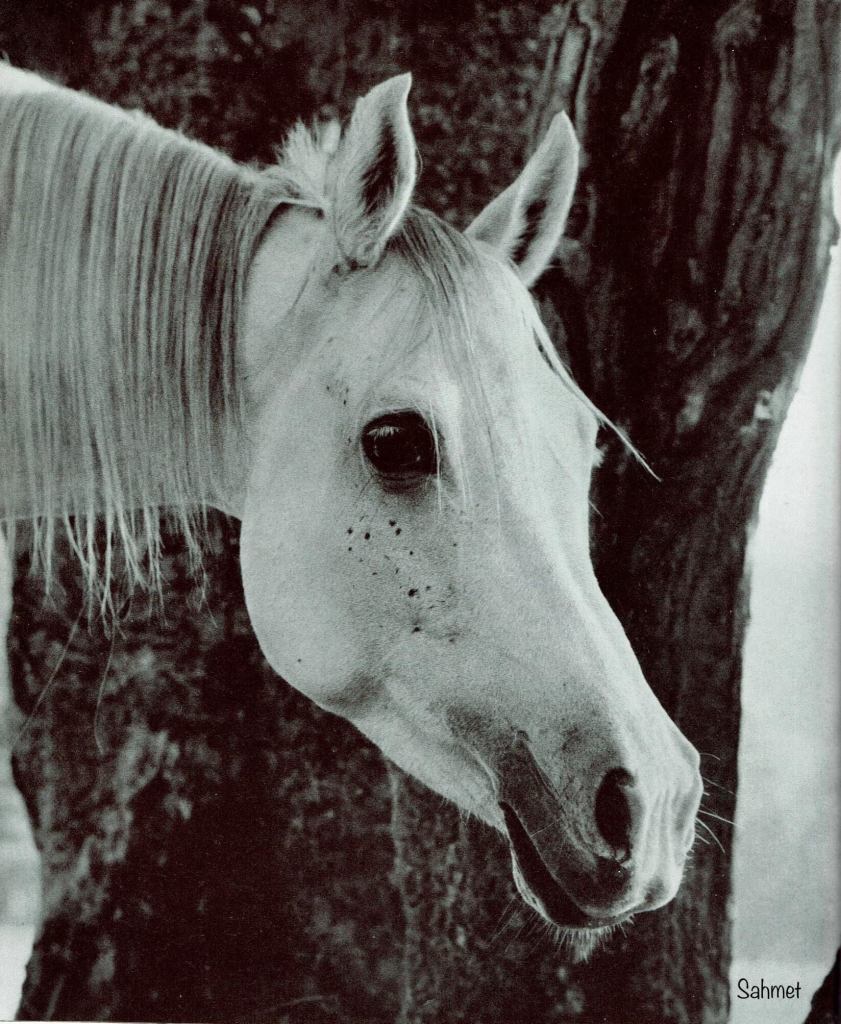
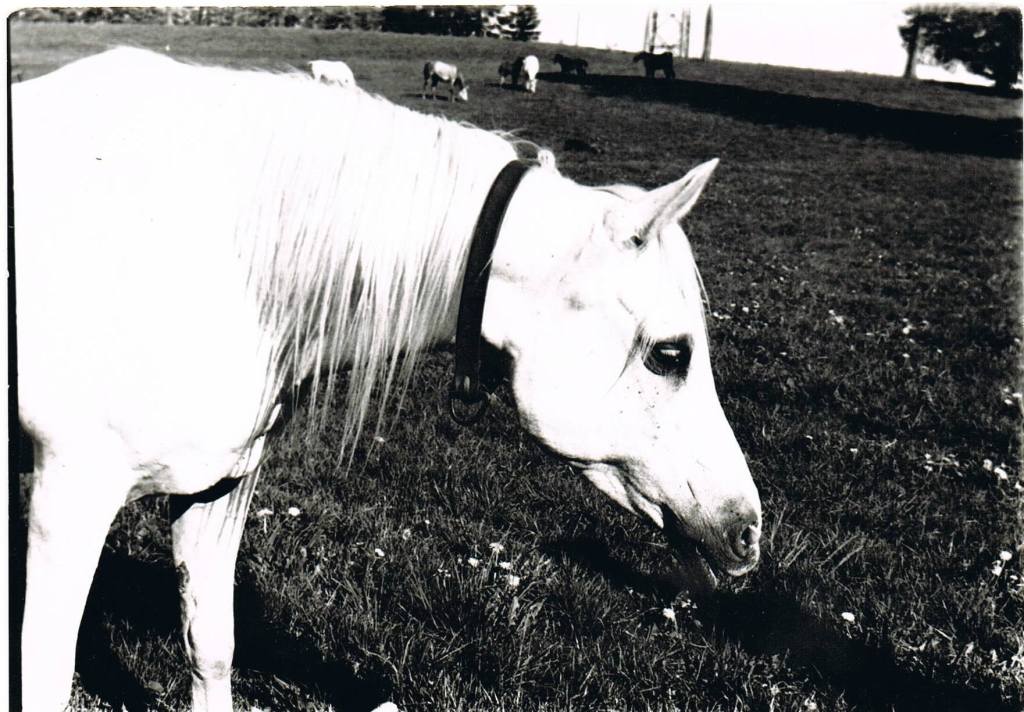
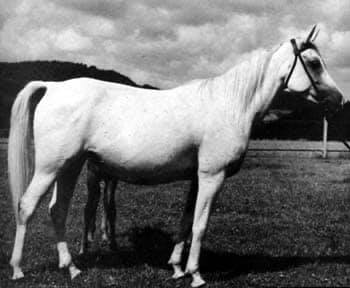
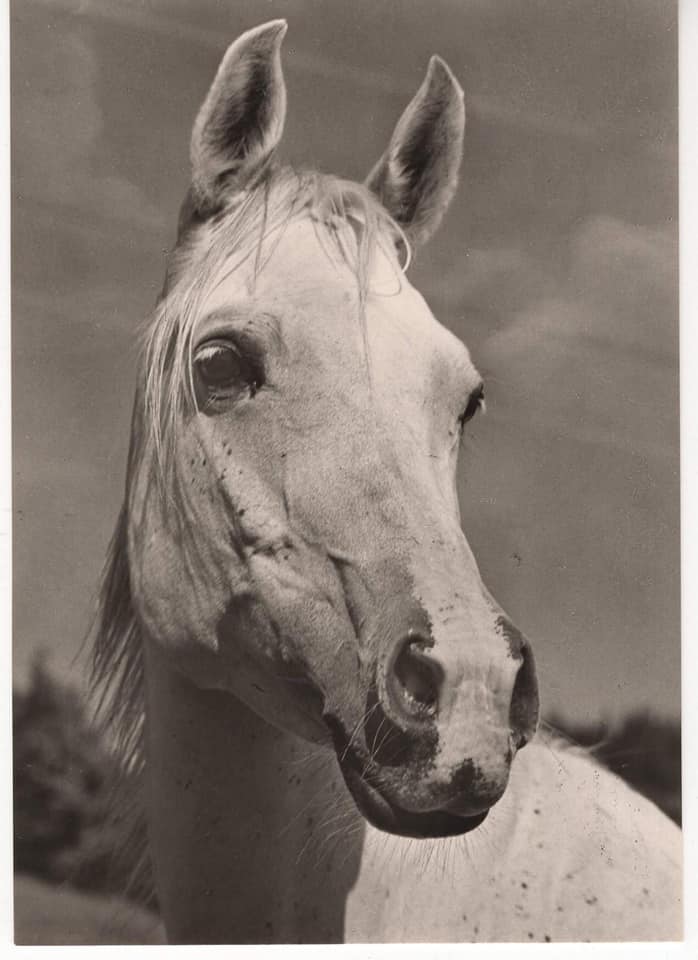
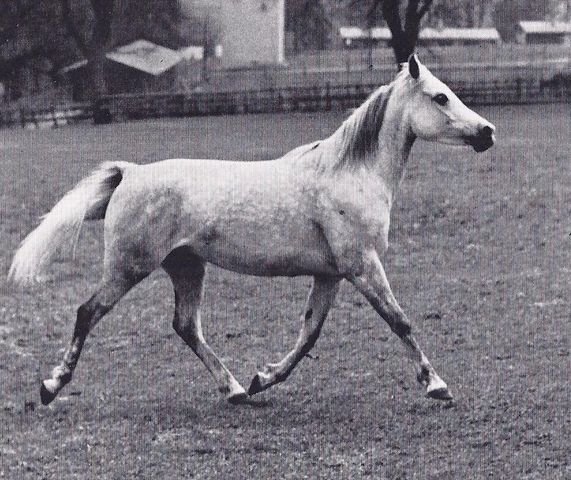
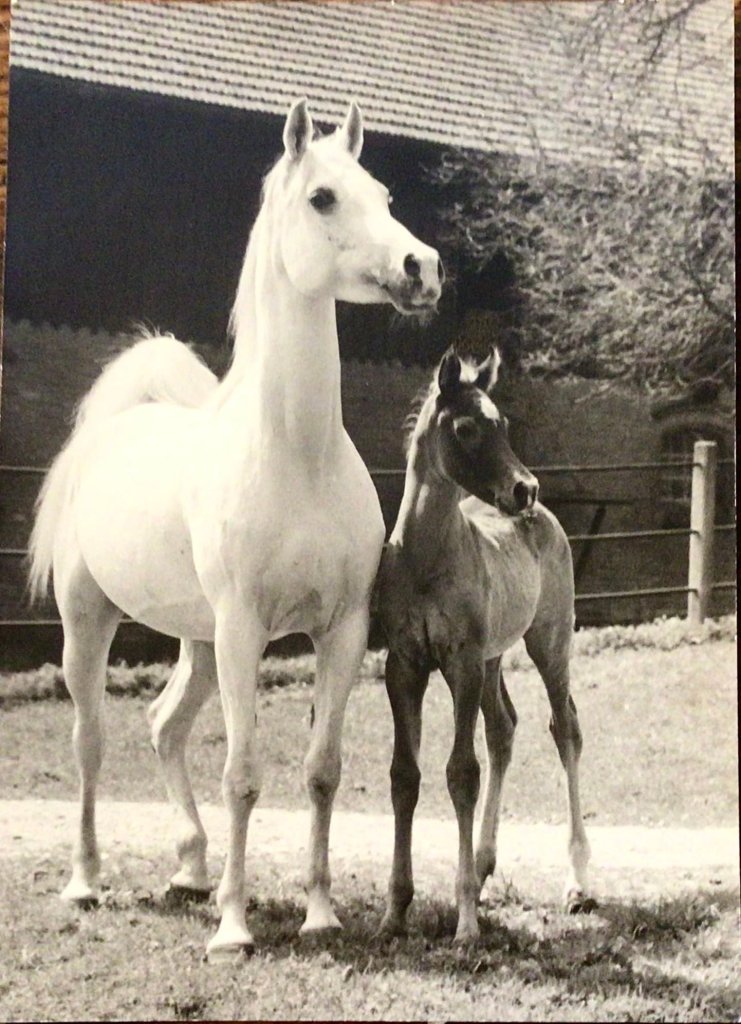
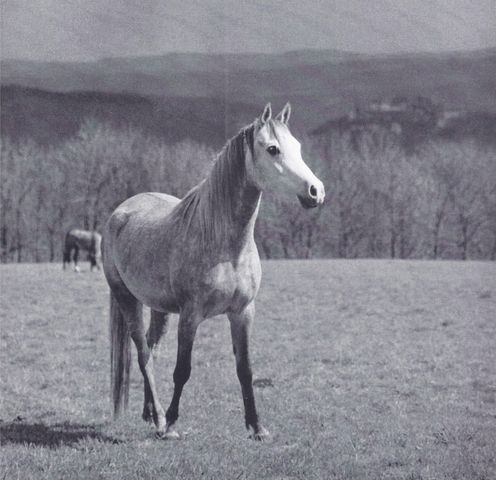
Sahmet
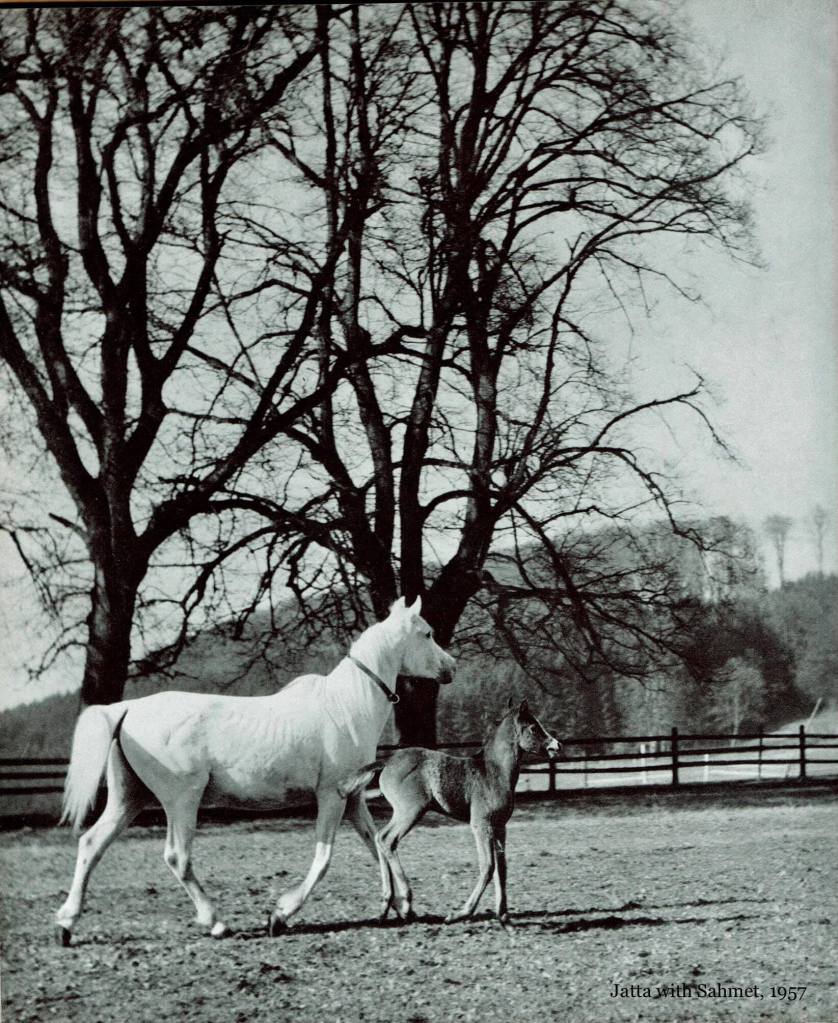
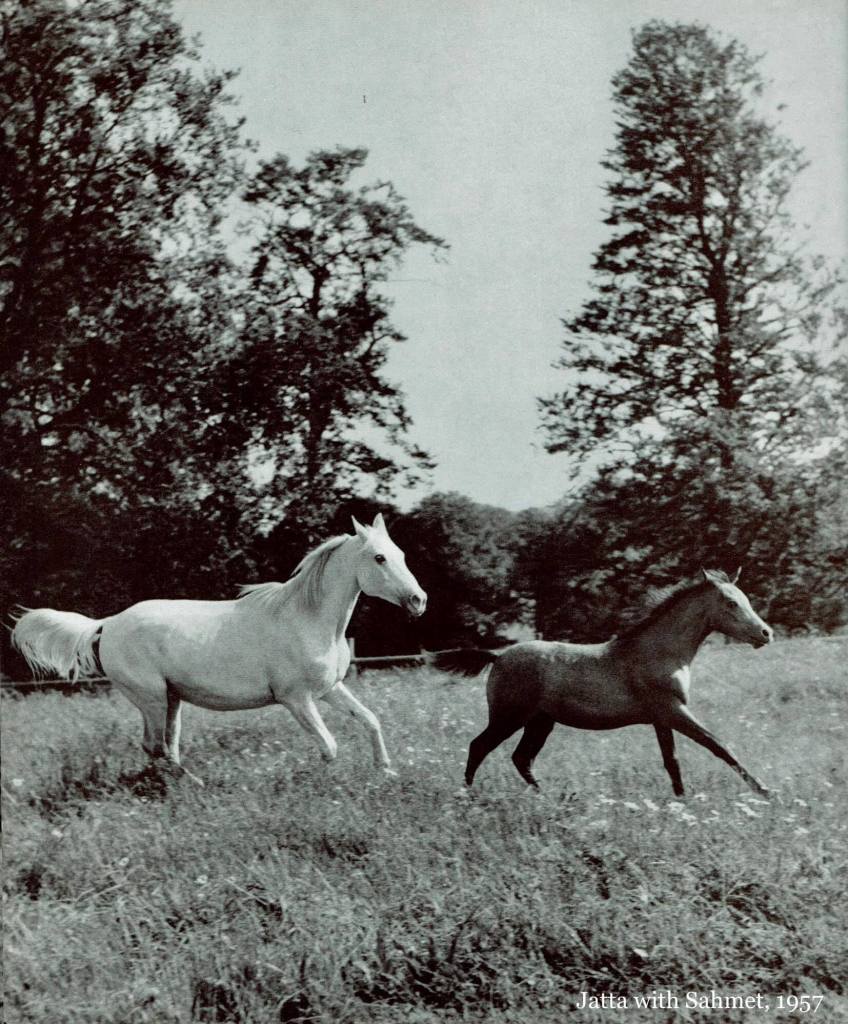
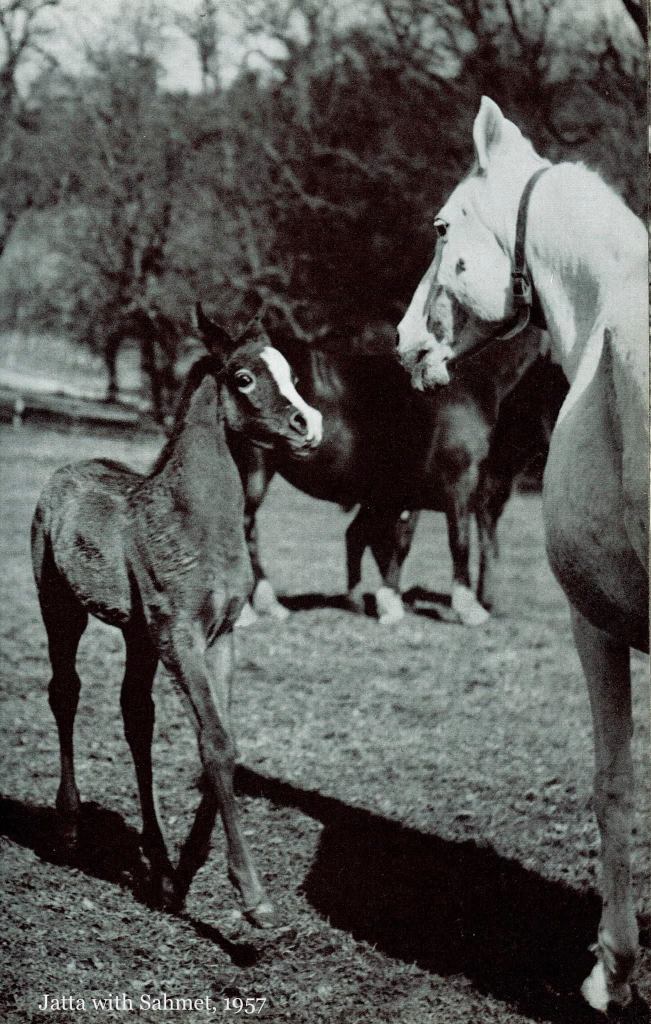
Jatta with Sahmet
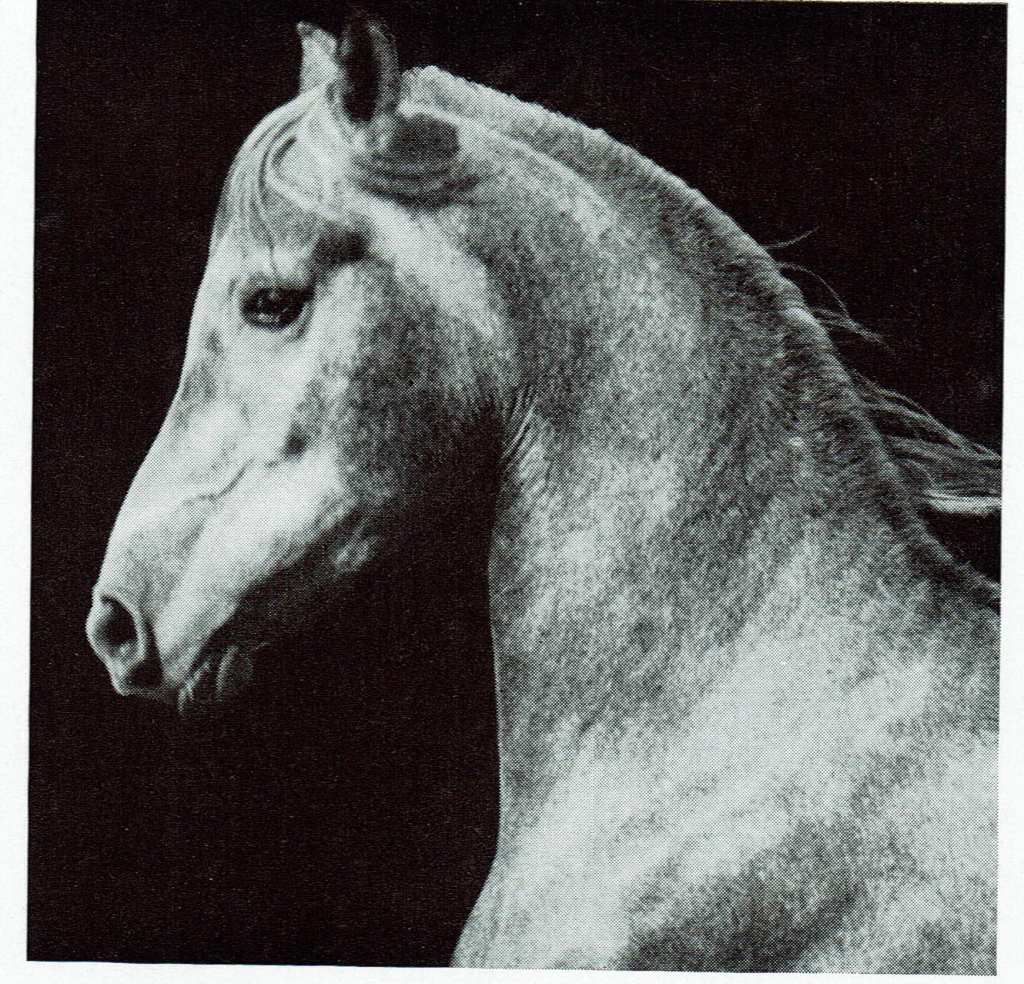
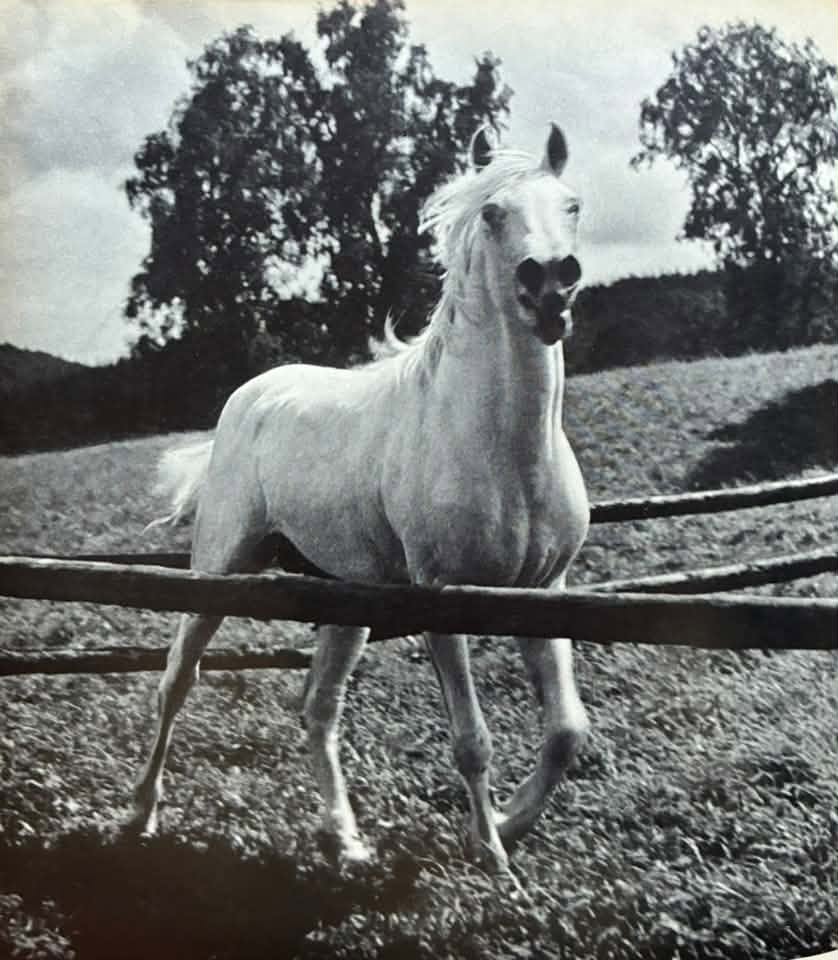
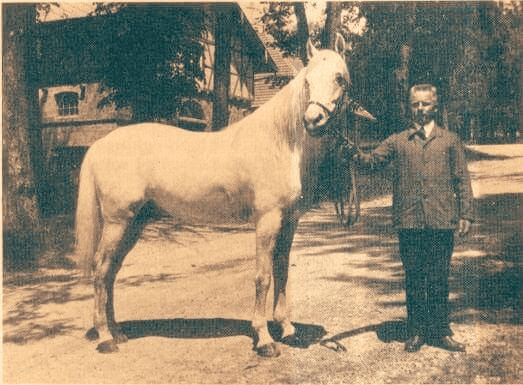
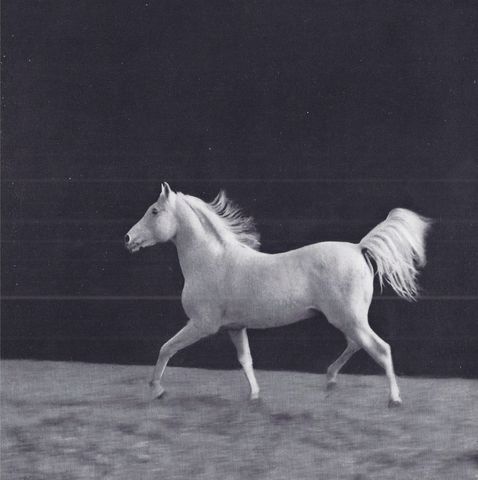
Jatta is by Jasir, a stallion bred by Prince Mohammed Ali Tewfik in Egypt and imported to the Weil Stud by Princess Pauline zu Wied in 1930. The princess’s intention was to revitalize the private family stud, however, economic hardship forced her to transfer the program to Marbach stud, so as not to disband the herd. Jasir is the full brother of the mare Mahroussa, who is the dam of *Fadl *Maaroufa as well as the Brown import *H.H. Mohamed Ali’s Hamida. W. R. Brown has called her the most beautiful mare he has ever seen. Needless to say, Mahroussa has left an absolute legacy behind in Egyptian breeding. And lucky for us, she was the most photographed mare of her time so we have pictures of both siblings.
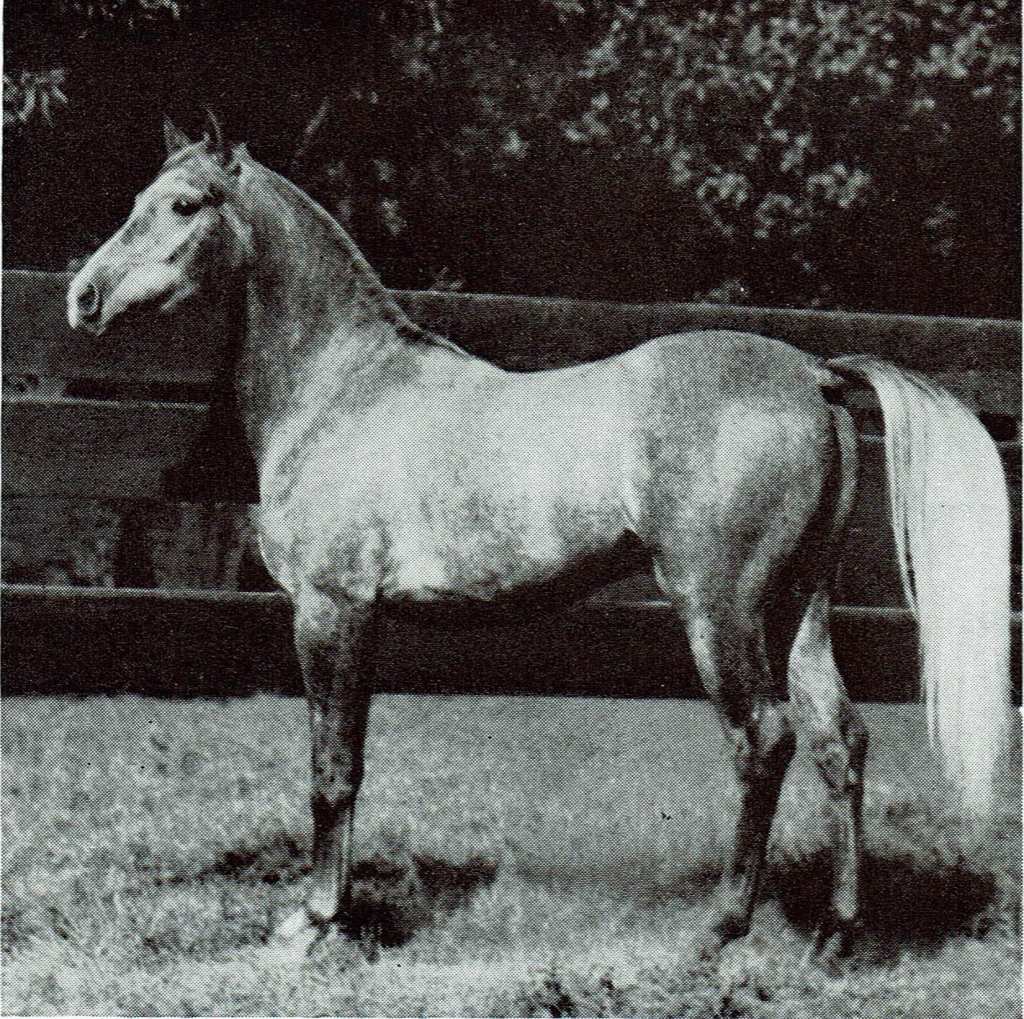
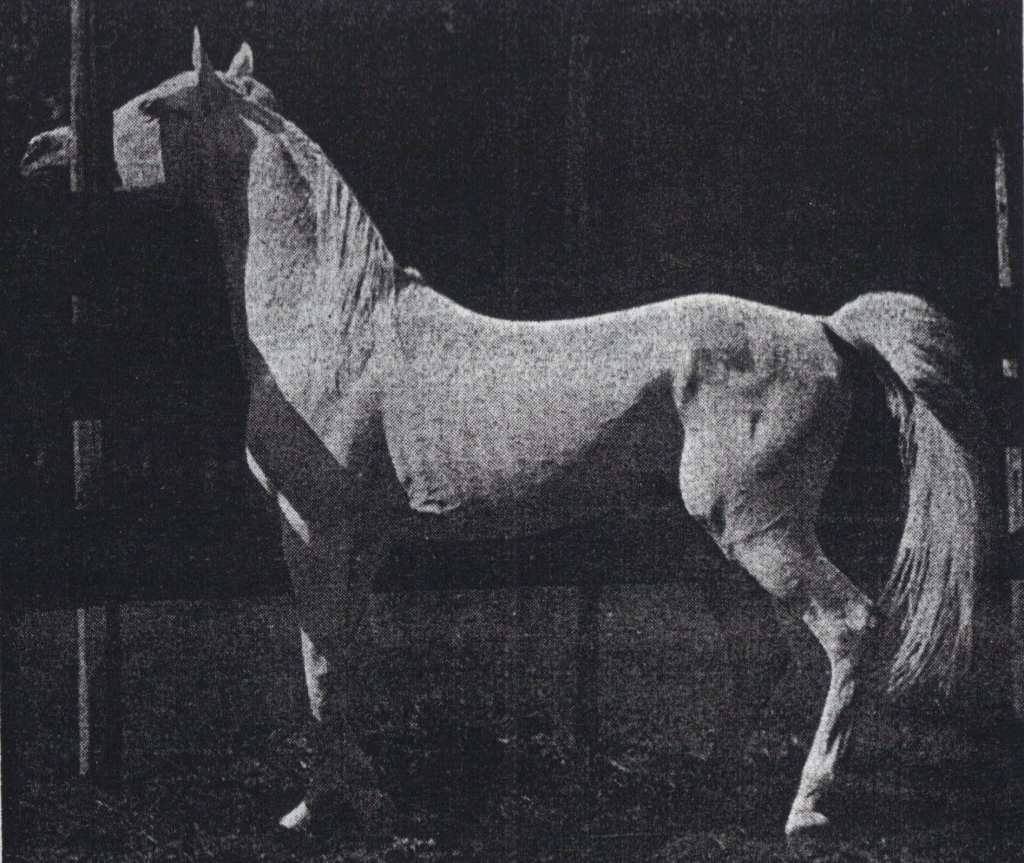
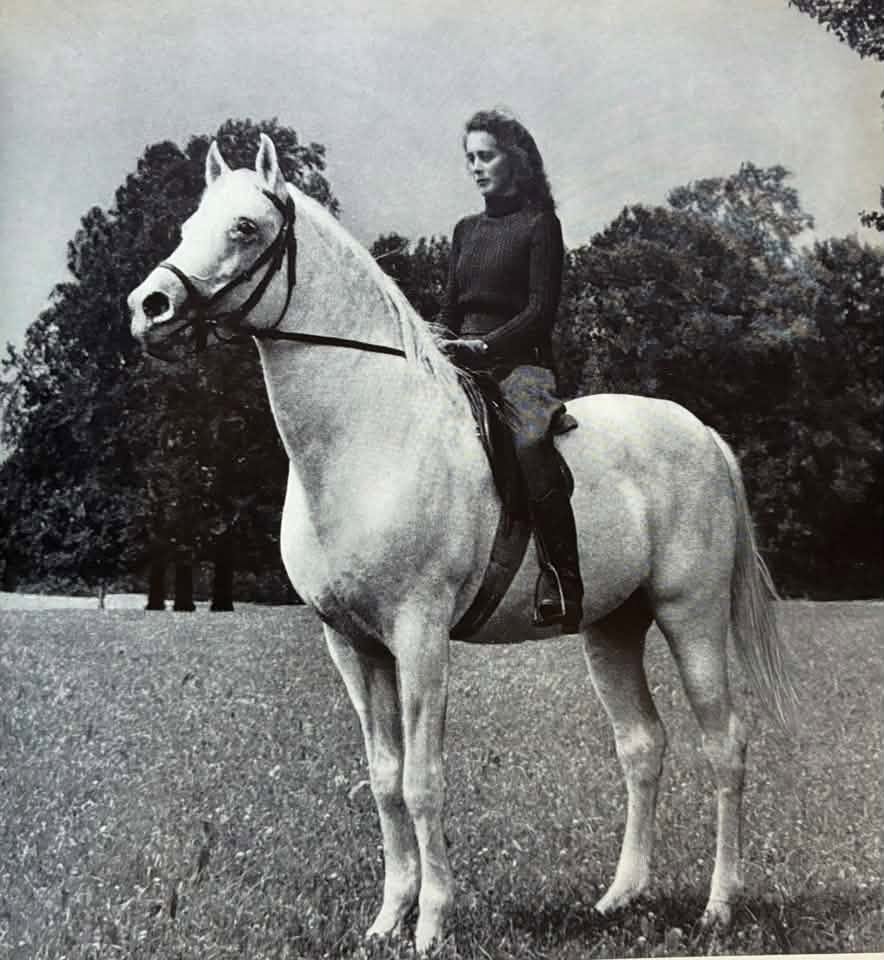
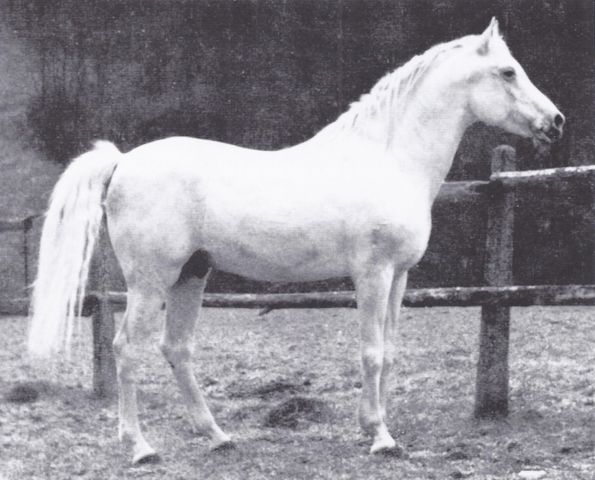
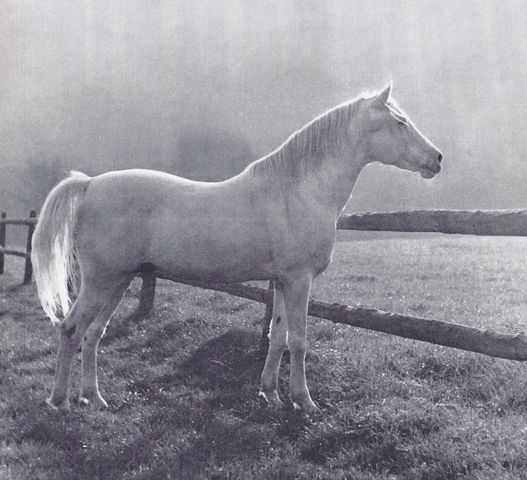
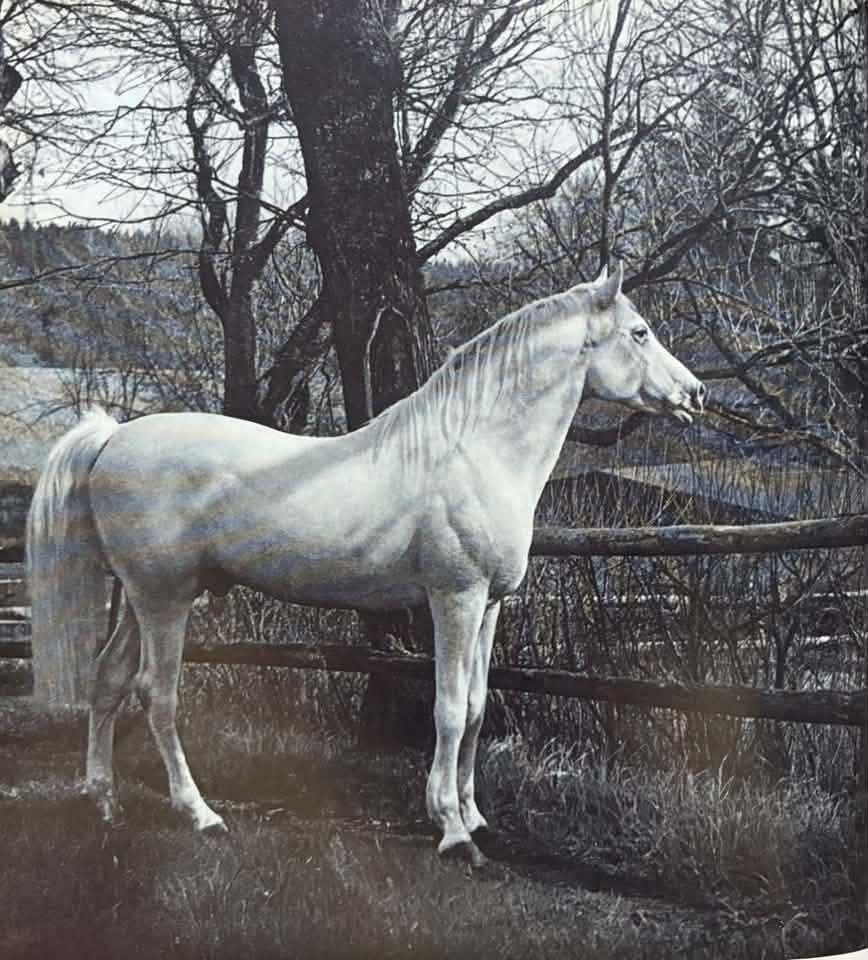
Jasir
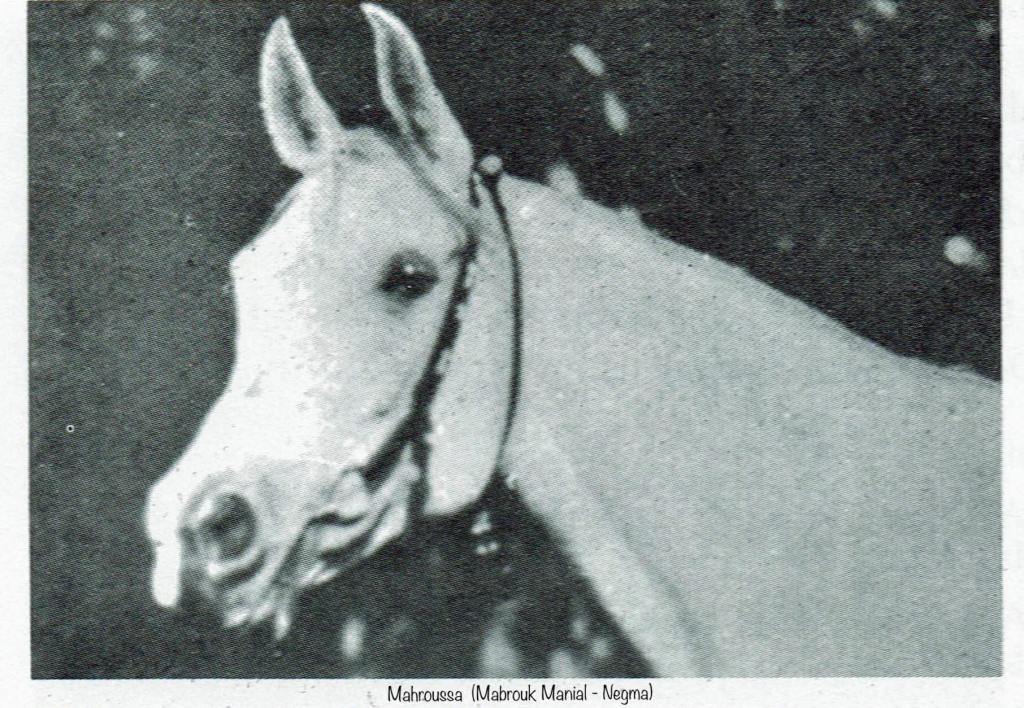
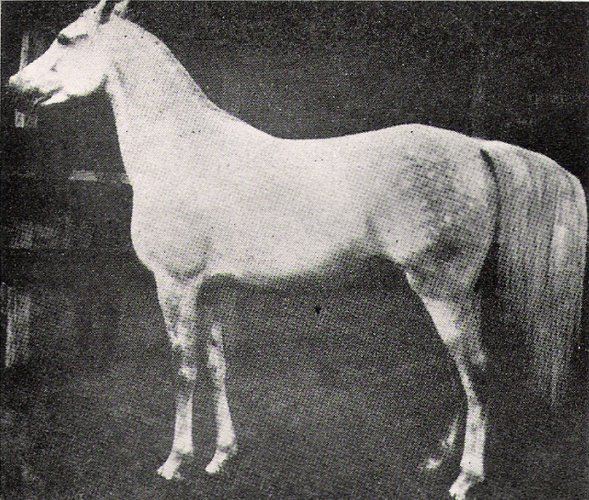
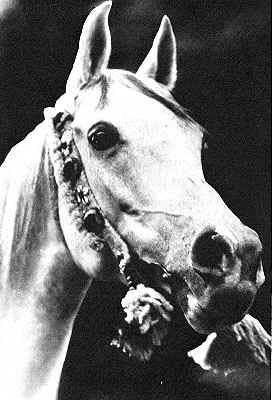
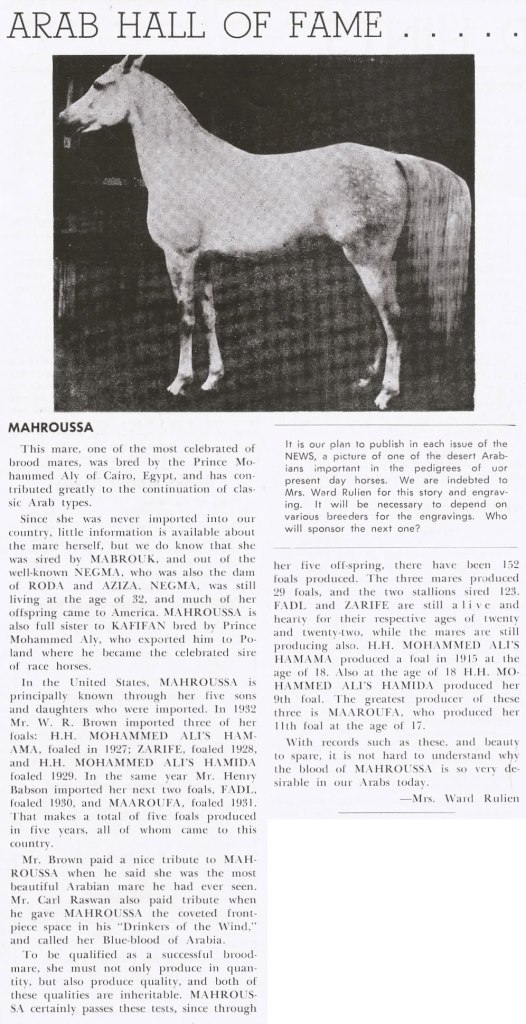
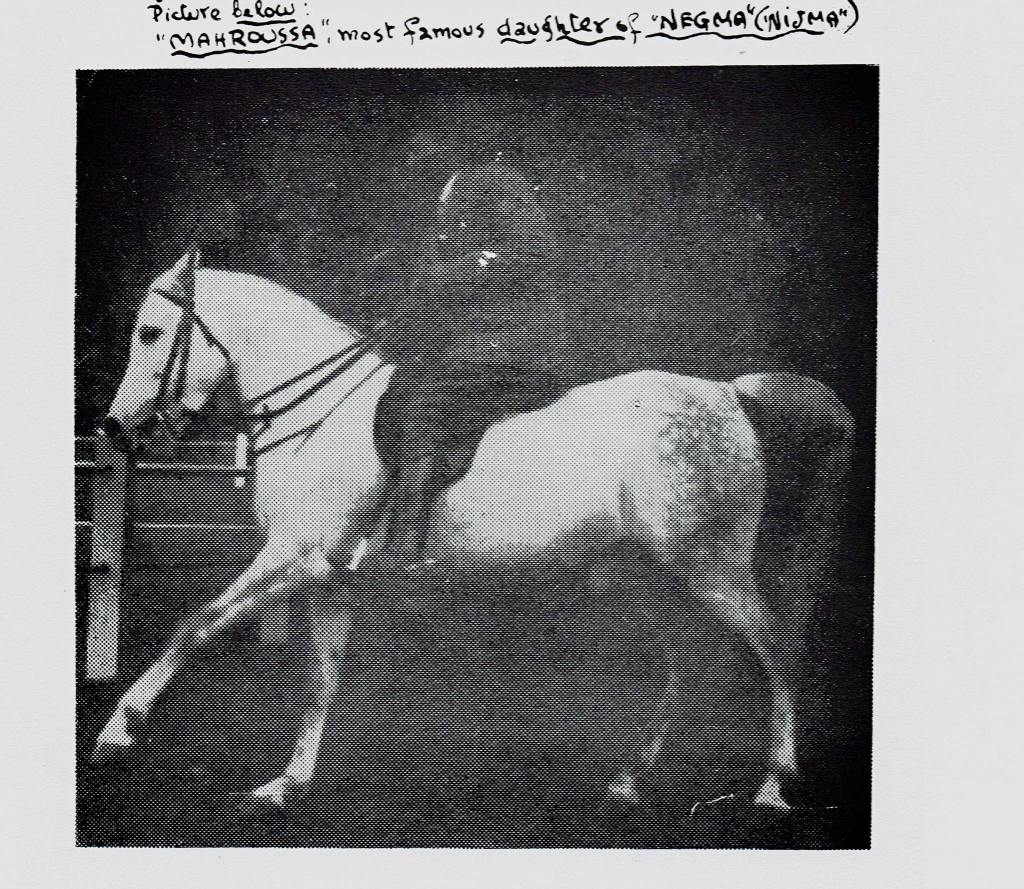
Mahroussa
These siblings both exert their influence in the pedigree of Fan-Safir, *KEM Safir’s daughter out of Kejan Fantaisha. Fan-Safir is one of 2 offspring by *KEM Safir, and the only mare who has successfully carried forward the rare Asil Bablona, Weil, and Marbach breeding coined as the “Europa” Ancestral Element by Al Khamsa, Inc in North America. Sadly, Fan-Safir only produced two daughters before her untimely death delivering Halimah CW. Her other daughter Zafira CW has been unable to carry any foals to term.
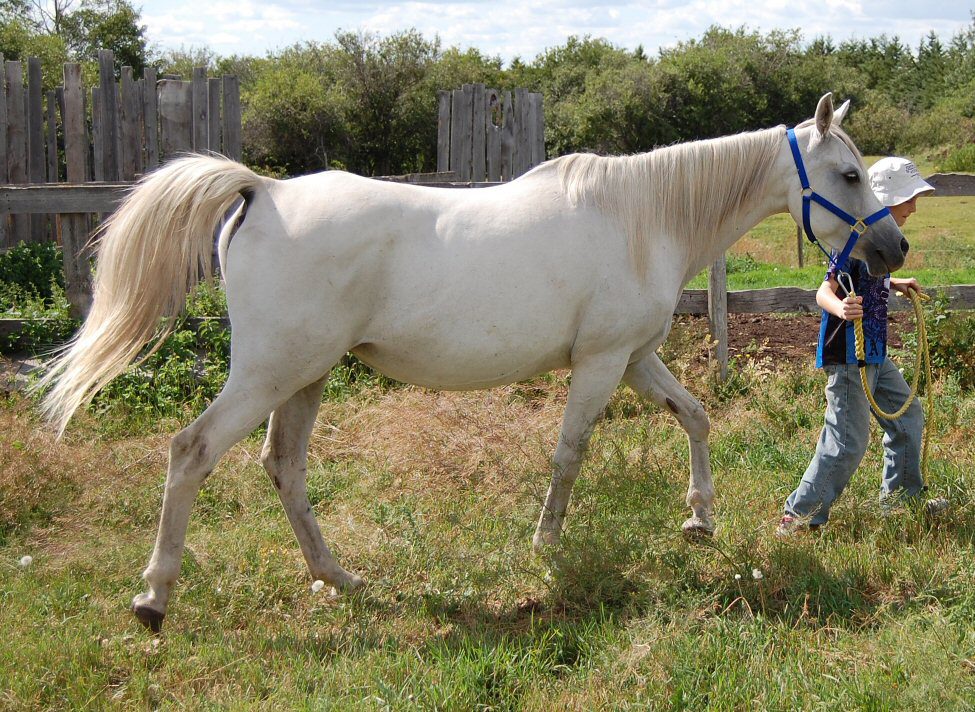
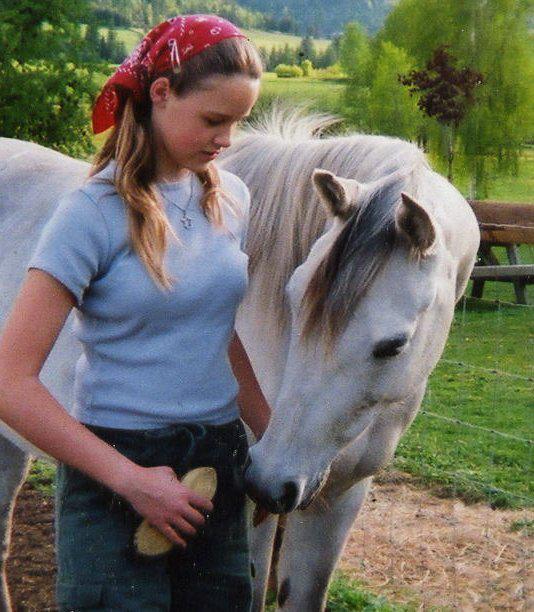
Fan-Safir
This has left this rare breeding hanging by a thread through Halimah CW and her 3 daughters produced here at DHA. I have crossed her with New Egyptian stallions to further diversify the pedigrees of her daughters HamraaBintHalimah DHA, AlHamraaMusafirah DHA, and Hamraa El Pharaoh DHA. Halimah is currently in foal to Baroud DHA. We are continually impressed by Halimah’s daughters and delight in their company at the ranch, and look forward to the arrival of this foal this spring as well.


Leave a Reply